Godzilla Minus One: A Kaiju Masterpiece Roars Back
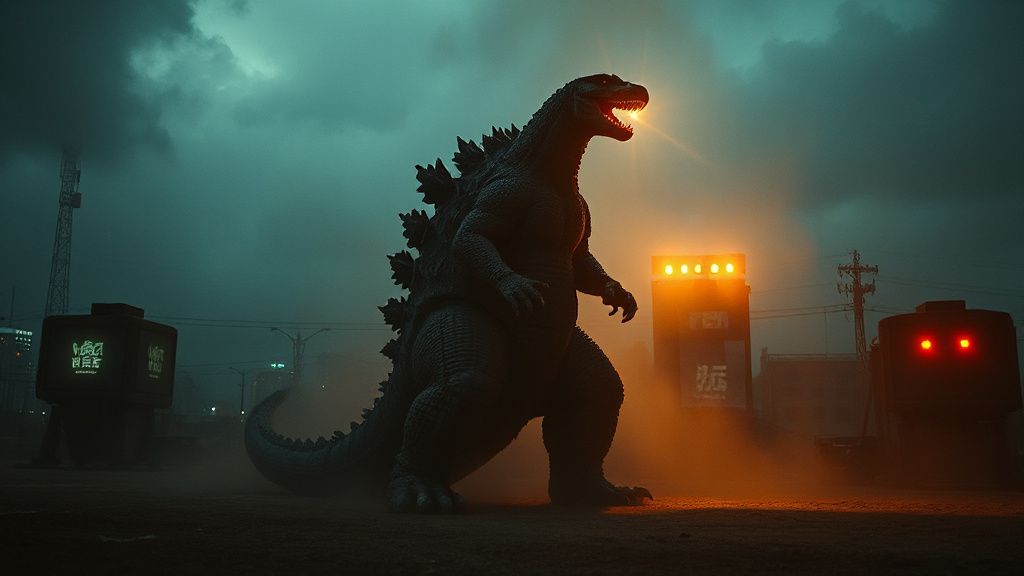
Cinematic Premise & Thematic Ambition
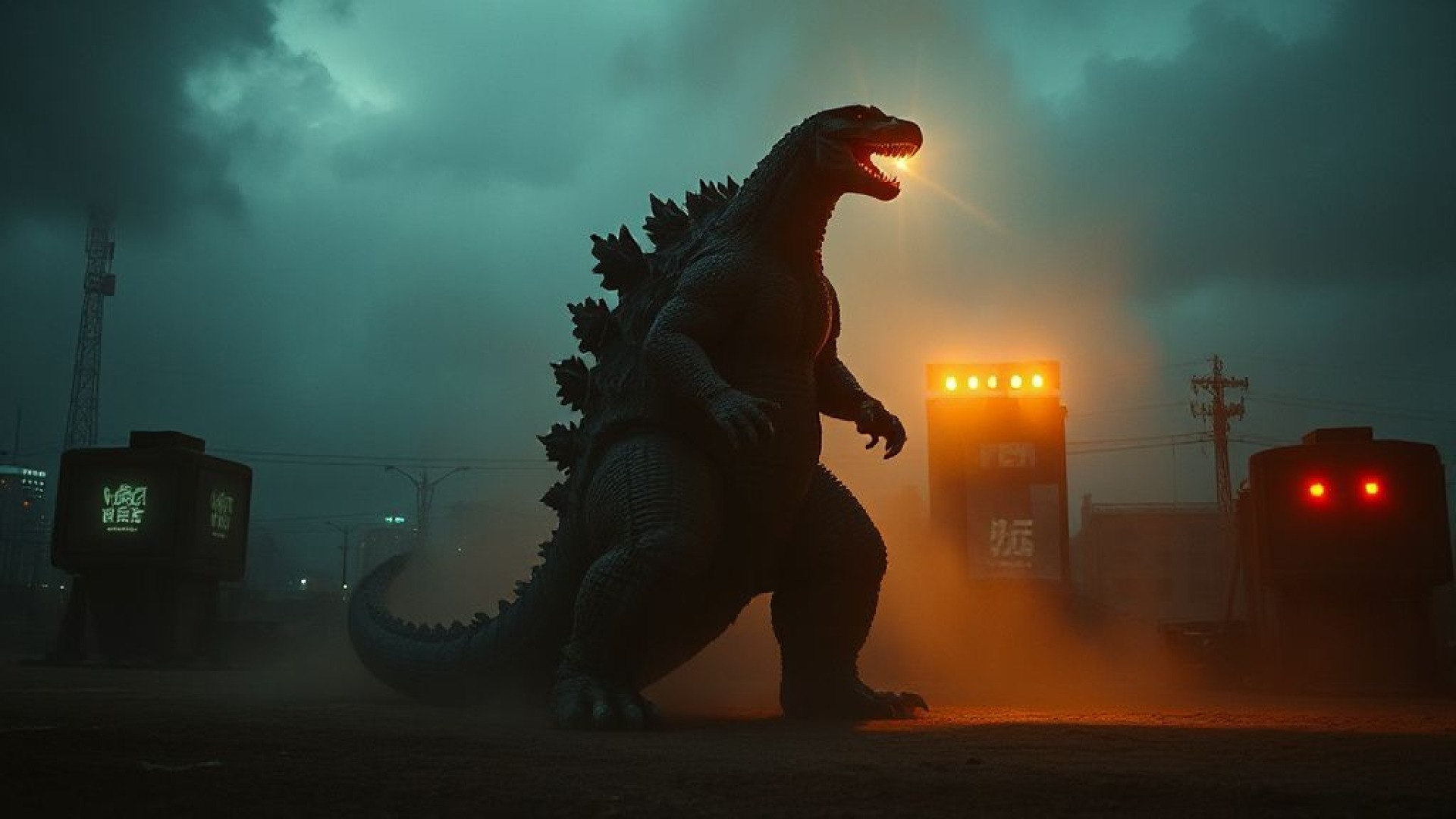
Godzilla Minus One emerges not merely as another monster movie, but as a profound cinematic achievement. Specifically, this film delves into the raw aftermath of war. Indeed, it plunges audiences into a Japan still reeling from devastation when a colossal, terrifying force of nature, Godzilla, appears.
In addition, the narrative intricately weaves the personal struggles of its characters with the existential threat. For instance, the story centers on Koichi Shikishima, a former kamikaze pilot haunted by his wartime choices, as he navigates this new, apocalyptic landscape. Also, the film masterfully explores themes of guilt, redemption, and the indomitable will to survive.
As a result, it elevates the familiar kaiju genre into something far more resonant and emotionally impactful.
- ★ Direction: Takashi Yamazaki’s visionary storytelling is a masterclass in balancing spectacle with soul.
- ★ Visual Craft: Atmospheric lighting and precision color grading create a palpable sense of dread and despair.
The film’s genius lies in its human-centric approach.
Rather than simply showcasing destruction, Yamazaki grounds the narrative in the lives of ordinary people. Because of this, their fear and determination become the true heart of the story. Also, the emotional weight carried by Ryunosuke Kamiki as Shikishima is palpable. Indeed, his internal conflict mirrors the nation’s struggle to find hope amidst ruin.
In addition, Minami Hamabe as Noriko provides a crucial anchor of resilience and compassion. As a result, the audience becomes deeply invested in their fight for survival against overwhelming odds.
Production Specifications & Technical Craft
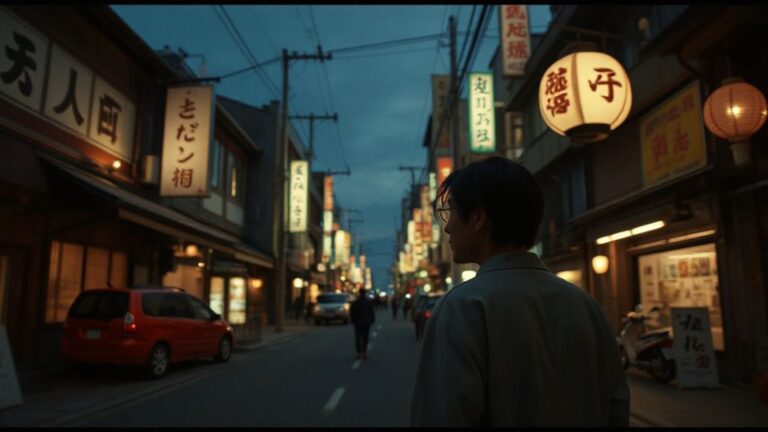
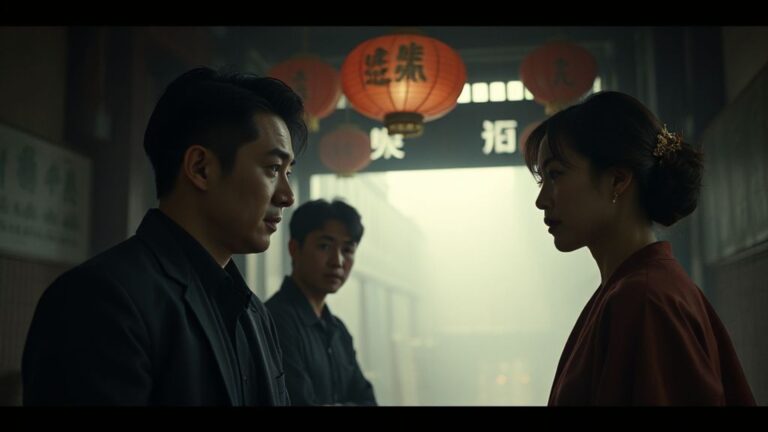
Technically, Godzilla Minus One is a marvel, pushing the boundaries of what is achievable. Specifically, the visual effects are astonishingly realistic, rendering Godzilla as a truly terrifying, almost elemental force. Also, the cinematography captures the desolation of post-war Japan with stark beauty. For instance, the use of shadow and light creates an oppressive atmosphere that amplifies the tension.
In addition, the production design meticulously recreates the era, immersing the viewer completely. As a result, the film feels both epic in scale and intimately grounded in its historical context. The sound design, too, is a critical component. Indeed, the roar of Godzilla is a visceral experience, and the ambient sounds of destruction and chaos are chillingly effective.
| Attribute | Production Detail | Technical Rating |
|---|---|---|
| Aspect Ratio | 1.85:1 | Cinematic Standard |
| Audio Mix | Dolby Atmos / 5.1 | Reference Quality |
| Runtime | 124 minutes | Precisely Paced |
| Studio | Toho Co., Ltd. | Legendary Studio |
| Camera Tech | ARRI Alexa LF, Panavision Primo Primes | State-of-the-Art |
The soundscape is a character in itself. Specifically, the thunderous roars and the chilling crunch of collapsing buildings are rendered with terrifying clarity. Also, the score by Naoki Sato perfectly complements the on-screen drama. For instance, it swells with orchestral grandeur during moments of peril and offers moments of poignant reflection. As a result, the auditory experience is as impactful as the visual one. Because of this, this creates a truly immersive cinematic event.
Performances, Pacing & Directorial Execution
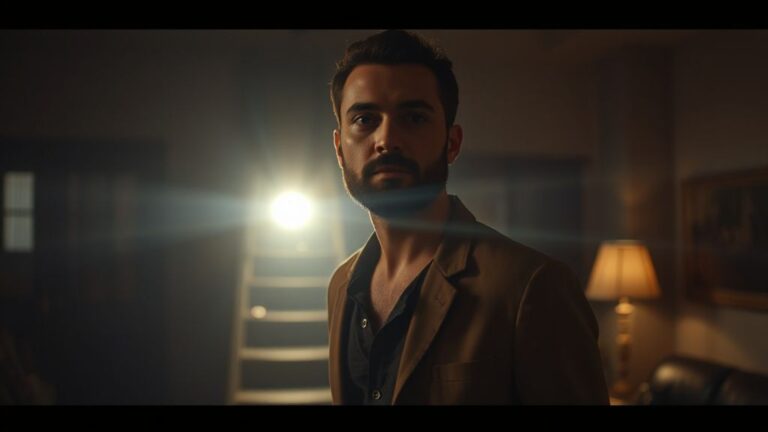
The performances in Godzilla Minus One are uniformly excellent, anchoring the film’s emotional core. Specifically, Ryunosuke Kamiki delivers a career-defining performance as Shikishima. Indeed, he conveys a profound sense of trauma and burgeoning courage with subtle, powerful acting. In addition, Minami Hamabe brings a quiet strength and warmth to Noriko, making her a vital presence.
Yuki Yamada, as the gruff but loyal Akiko, provides much-needed moments of levity and camaraderie. Also, the supporting cast, including Kuranosuke Sasaki and Hidetaka Yoshioka, all contribute significantly to the film’s rich range of characters. As a result, the ensemble cast feels authentic and lived-in.
Because of this, their struggles and triumphs resonate deeply with the audience.Takashi Yamazaki’s directorial execution is masterful. He expertly balances the grand spectacle of Godzilla’s rampages with intimate character moments. Specifically, the pacing is generally superb, building tension steadily towards explosive confrontations. However, there are brief moments in the second act where the narrative momentum slightly falters, focusing perhaps a touch too long on certain procedural elements.
Nevertheless, these are minor quibbles in an otherwise brilliantly paced film. In addition, Yamazaki’s ability to evoke genuine fear and awe through his depiction of Godzilla is remarkable. For instance, the creature is not just a monster; it is a force of nature personifying Japan’s post-war anxieties.
As a result, the film transcends typical genre fare, offering a complex, moving, and utterly unforgettable cinematic experience. Indeed, Godzilla Minus One stands as a triumphant return for the King of the Monsters, proving that thoughtful storytelling and breathtaking visuals can coexist to create something truly special.
Godzilla Minus One
“A gripping, character-driven kaiju epic that sets a new benchmark for the genre.”
Genre: Kaiju / Disaster Film
- ★ Breathtaking visual effects
- ★ Immersive sound design
- ★ Superb lead performances
- ★ Thematic depth and emotional resonance
👉 Experience the visual edition: Watch the Web Story ⚡. Access verified research updates directly on zeudytech.com. Cross-reference technical records via IMDb Official: Godzilla Minus One.