Dune: Part Two Ascends: A Sci-Fi Epic Realized
Cinematic Premise & Thematic Ambition
Denis Villeneuve’s Dune: Part Two is not merely a sequel; it is the thunderous fulfillment of a promise, a colossal cinematic edifice built with meticulous craft and a profound understanding of Frank Herbert’s dense source material. Picking up immediately after the events of the first film, this installment plunges Paul Atreides, portrayed with simmering intensity by Timothée Chalamet, deeper into the unforgiving sands of Arrakis and the intricate political and spiritual landscape of the Fremen.
The film masterfully navigates the treacherous path of prophecy, exploring the seductive allure of power and the terrifying consequences of a messianic figure’s ascent. Villeneuve doesn’t shy away from the darker implications of Paul’s journey, presenting him as a figure increasingly burdened by his prescient visions and the holy war they portend.
This is a film that grapples with destiny, faith, and the corrupting nature of absolute power, all against a backdrop of unparalleled visual and auditory spectacle.
- ★ Direction: Visionary storytelling by Denis Villeneuve.
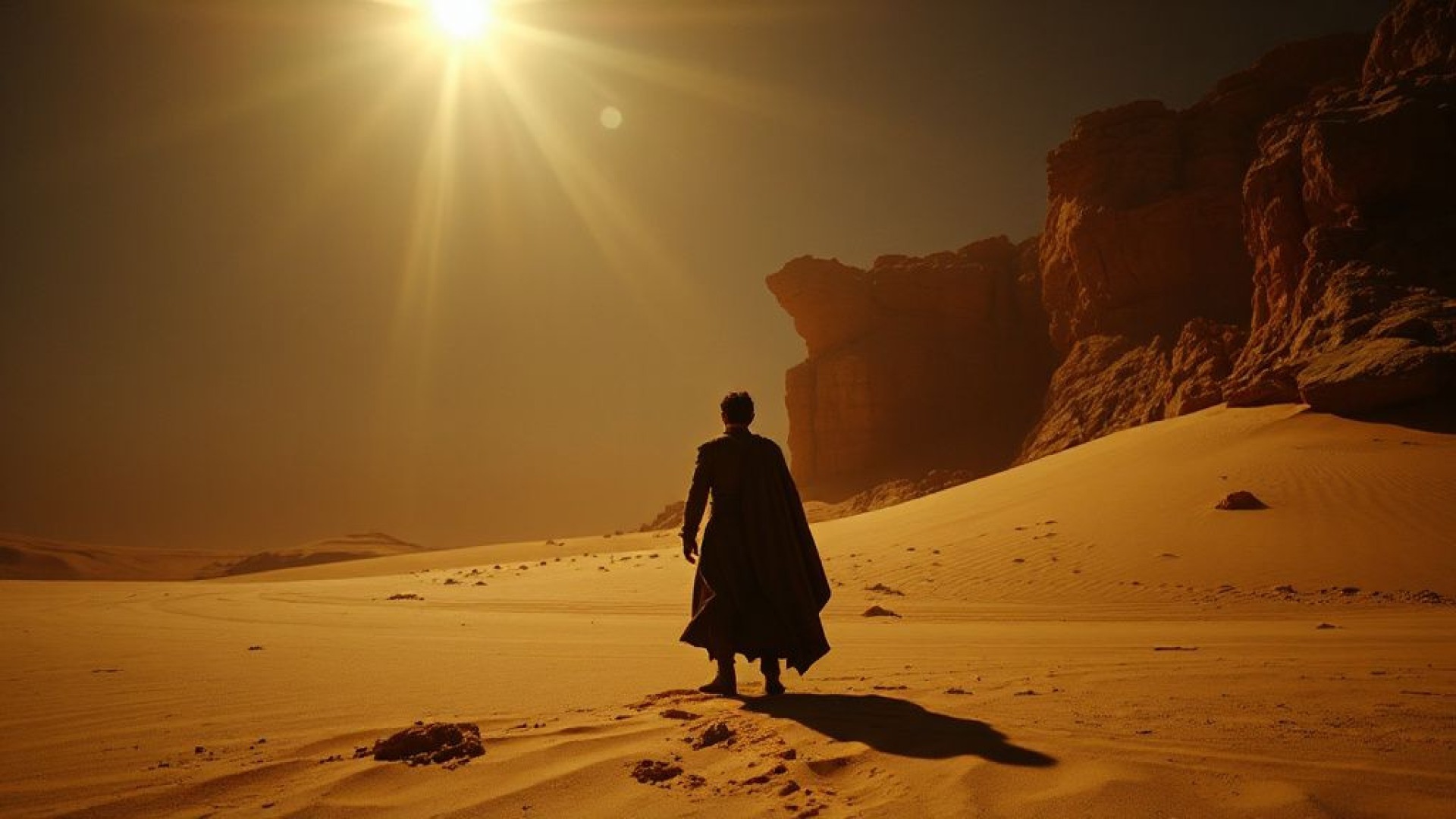
- ★ Visual Craft: Atmospheric lighting and precision color grading by Greig Fraser.
The narrative arc of Dune: Part Two is a compelling proof to Villeneuve’s singular vision, expanding the scope established in the first film exponentially.
The integration of Paul into Fremen society, his burgeoning relationship with Zendaya’s Chani, and his growing mastery of the desert’s harsh realities form the emotional core. However, this is tempered by the ever-present threat of the Harkonnens, embodied by the chillingly brutal Feyd-Rautha, played with predatory menace by Austin Butler, and the calculating Baron Vladimir Harkonnen, reprised by Stellan Skarsgård.
The thematic resonance lies in the exploration of colonialism, religious fervor, and the manipulation of belief systems, making Dune: Part Two a profoundly relevant and thought-provoking blockbuster.
Production Specifications & Technical Craft
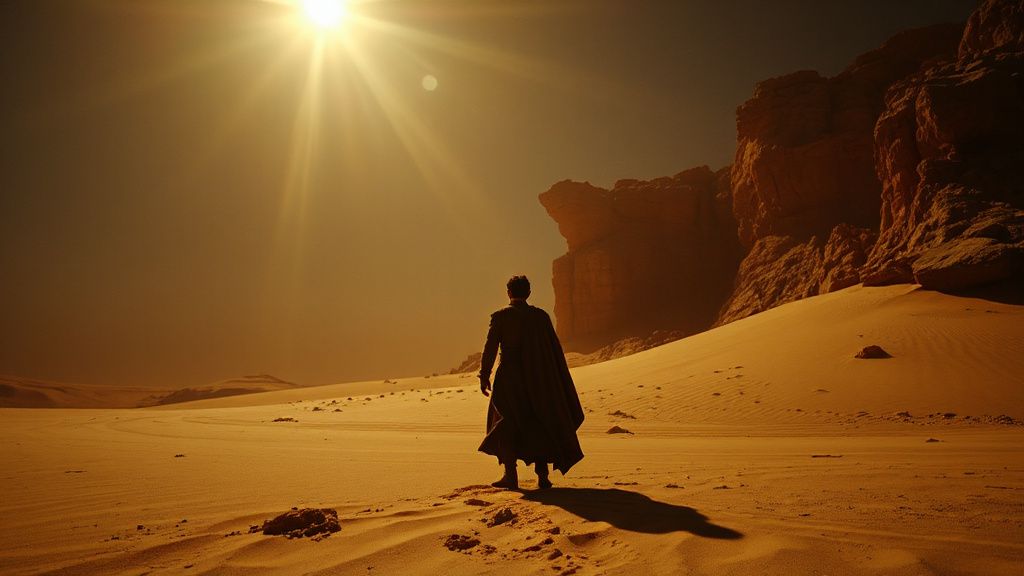
Technically, Dune: Part Two is a tour de force, a masterclass in modern blockbuster filmmaking that demands to be experienced on the largest screen possible. Greig Fraser’s cinematography is nothing short of breathtaking, capturing the stark beauty and immense scale of Arrakis with an artist’s eye.
The use of light and shadow, the vast desert vistas, and the intimate character moments are all rendered with stunning clarity and evocative power. Complementing the visuals is Hans Zimmer’s score, a primal, percussive, and often overwhelming sonic landscape that perfectly underscores the film’s epic scope and emotional weight.
The sound design is equally immersive, from the guttural roar of sandworms to the subtle whispers of the desert wind. Consequently, this creates a tactile experience that pulls the audience into the world. Every technical element, from production design to costume, serves the narrative. Consequently, this creates a cohesive and believable universe.The sheer scale of the production is evident in every frame.
Villeneuve and his team have crafted a world that feels both alien and deeply resonant, a compelling proof to the power of practical effects blended seamlessly with CGI. The action sequences, particularly the Fremen raids and the climactic confrontations, are staged with a visceral intensity that is both thrilling and terrifying.
This is filmmaking at its most ambitious, pushing the boundaries of what is possible in contemporary cinema. The attention to detail is staggering, from the textures of the stillsuits to the imposing architecture of the Harkonnen strongholds.
| Attribute | Production Detail | Technical Rating |
|---|---|---|
| Aspect Ratio | 2.39:1 Anamorphic | Cinematic Standard |
| Audio Mix | Dolby Atmos / 7.1 | Reference Quality |
| Runtime | 2 hours 46 minutes | Epic Duration |
| Studio | Warner Bros. Pictures | Major Studio Production |
| Camera Tech | Shot on Arri Alexa LF, Panavision C-Series Anamorphic Lenses | Cutting-Edge Digital & Analog |
The auditory experience is as crucial to the immersion as the visual. Zimmer’s score is not merely background music; it is an active participant in the storytelling, building tension, evoking emotion, and amplifying the sheer power of the narrative. The use of silence is equally effective.
In particular, this allows the vastness of the desert and the weight of the characters’ internal struggles to land with profound impact. Every sound is meticulously placed, from the crunch of sand underfoot to the distant rumble of an approaching worm. Consequently, this creates a truly enveloping soundscape.
Performances, Pacing & Directorial Execution
The ensemble cast delivers performances that anchor the film’s grand ambitions. Timothée Chalamet navigates Paul’s transformation with remarkable nuance, portraying his internal conflict between duty and desire, destiny and free will. Zendaya imbues Chani with a fierce independence and a grounded skepticism that serves as a vital counterpoint to Paul’s burgeoning messianic status.
Rebecca Ferguson continues to be a compelling force as Lady Jessica, her Bene Gesserit machinations adding layers of intrigue and maternal complexity. Austin Butler’s Feyd-Rautha is a terrifyingly charismatic antagonist, a psychopathic force of nature that provides a visceral threat. The supporting cast, including Javier Bardem as Stilgar and Josh Brolin as Gurney Halleck, are all excellent, bringing gravitas and depth to their roles.While the film is a monumental achievement, its extended runtime does lead to moments where the pacing occasionally falters, particularly in the second act as Paul consolidates his power and Fremen traditions are explored in greater detail.
However, these moments are fleeting and ultimately serve to deepen the audience’s understanding of the world and its inhabitants. Villeneuve’s directorial execution is masterful throughout; he balances the intimate character moments with the colossal set pieces with an assured hand. He understands that the true power of Dune: Part Two lies not just in its spectacle, but in its exploration of complex human (and superhuman) drama.
The film culminates in a series of breathtaking sequences that are both emotionally resonant and visually spectacular, leaving the audience awestruck and contemplative.
Dune: Part Two
“A gripping technical marvel that sets a new high bar for contemporary cinema.”
Genre: Cinema / Feature Film
- ★ Breathtaking cinematography
- ★ Immersive sound design
- ★ Superb acting performances
- ★ Thematic depth and complexity
👉 Experience the visual edition: Watch the Web Story ⚡. Access verified research updates directly on zeudytech.com. Cross-reference technical records via IMDb Official: Dune: Part Two.