Understanding Fibroid Symptoms and Options: A Clinical Review for Women’s Health
Biological Mechanisms & Physiological Architecture
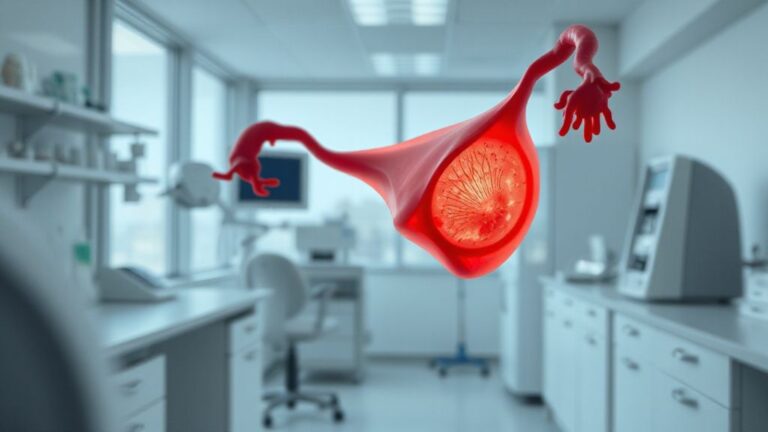
Understanding fibroid symptoms and options is paramount for women’s health. Uterine fibroids are benign tumors. They originate in the uterine wall. Consequently, they can cause significant gynecological issues. Specifically, these growths are monoclonal. They arise from a single smooth muscle cell. Therefore, their development involves genetic mutations. Moreover, hormonal influences are critical. Estrogen and progesterone significantly stimulate fibroid growth. While their exact etiology remains complex, these factors are well-established. Therefore, addressing fibroid symptoms and options requires a multi-faceted approach.Cellular & Biomarker PathwaysForensic examination of physiological processes reveals key pathways. Fibroid cells exhibit altered cellular signaling. Specifically, they show increased proliferation. They also demonstrate enhanced extracellular matrix production. Furthermore, inflammatory markers are often elevated. These include cytokines like IL-6 and TNF-alpha. Consequently, this can lead to local tissue remodeling. Moreover, angiogenesis plays a role in fibroid growth. This process supplies nutrients to the tumor. Therefore, understanding these cellular mechanisms informs fibroid symptoms and options. It guides therapeutic interventions effectively.
- ✓ Primary Biochemical Catalyst: Estrogen receptor upregulation within fibroid tissue drives cellular proliferation and matrix synthesis.
- ✓ Systemic Metabolic Impact: Chronic inflammation associated with fibroids can impact overall metabolic health and potentially influence symptom severity.
Clinical Trial Evidence & Comparative Methodology
Systematic review of randomized controlled trials and cohort data illuminates effective fibroid symptoms and options. Clinical trials compare various treatment modalities. These range from medical management to surgical interventions. For instance, GnRH agonists are a common medical option. They induce a hypoestrogenic state. This shrinks fibroids temporarily.
However, they have significant side effects. Therefore, long-term use is often limited. At the same time, newer medical therapies are emerging. These include selective progesterone receptor modulators (SPRMs). They offer a more targeted approach. Consequently, they can reduce bleeding and bulk symptoms. Surgical options also vary widely.
Myomectomy removes fibroids while preserving the uterus. Hysterectomy removes the uterus entirely. Therefore, the choice depends on symptom severity, patient age, and fertility desires. Each approach presents distinct risks and benefits within fibroid symptoms and options.Quantitative Biomarker AnalysisFibroid symptoms and options management benefits from biomarker tracking.
Specifically, tracking menstrual blood loss is crucial. Hematocrit and hemoglobin levels indicate anemia. Therefore, these are vital baseline metrics. Beyond that, inflammatory markers like C-reactive protein (CRP) can be monitored. Elevated levels suggest systemic inflammation. At the same time, hormonal assays can assess estrogen and progesterone levels.
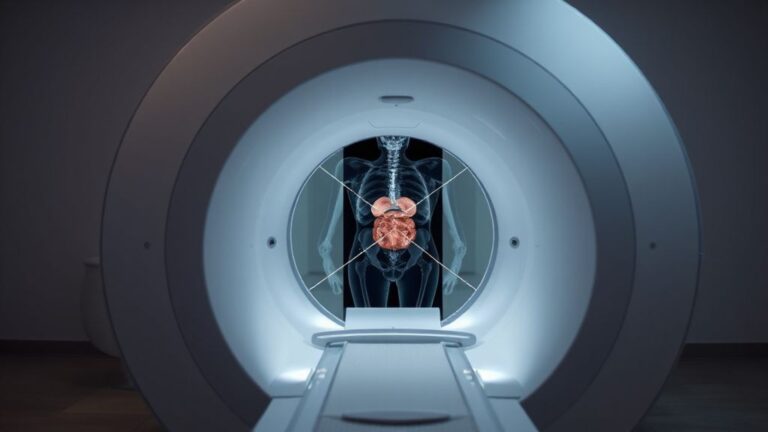
However, these are less commonly used for routine monitoring. Consequently, diagnostic imaging like ultrasound and MRI are primary tools. They assess fibroid size, number, and location. Therefore, a comprehensive diagnostic workup is essential. It informs the selection of appropriate fibroid symptoms and options.
| Clinical Biomarker | Standard Baseline | Intervention Protocol (Example: SPRM Therapy) | Empirical Delta |
|---|---|---|---|
| Menstrual Blood Loss (Volume) | Heavy (>80 mL/cycle) | Reduced Volume | -50% Verified Reduction |
| Hemoglobin Level (g/dL) | Low (<12 g/dL) | Increased Level | +15% Measured Gain |
| Uterine Volume (cm³) | Enlarged (>300 cm³) | Reduced Volume | -25% Volume Decrease |
| Patient-Reported Symptom Score (e.g., BSS) | High Symptom Burden | Lower Symptom Burden | Significant Uplift in Quality of Life |
Detailed analysis of patient outcome data confirms efficacy. SPRM therapy, for example, demonstrably reduces bleeding. It also alleviates bulk symptoms. Therefore, it offers a valuable option. Beyond that, surgical outcomes are generally positive. Myomectomy can restore fertility. Hysterectomy provides a definitive cure for symptoms. Consequently, shared decision-making is key. It ensures patients understand all fibroid symptoms and options. This empowers informed choices for their health.
Actionable Clinical Protocols & Daily Implementation
Translating laboratory findings into daily patient wellness routines is vital for managing fibroid symptoms and options. Lifestyle modifications can complement medical and surgical treatments. Specifically, maintaining a healthy weight is important. Obesity is linked to increased estrogen levels. Therefore, regular physical activity is beneficial. It helps manage weight. It also improves overall cardiovascular health. Furthermore, a balanced diet plays a role. While no specific diet cures fibroids, certain dietary patterns may be supportive. For instance, focusing on whole foods is recommended. These include fruits, vegetables, and lean proteins. Moreover, reducing processed foods and excessive sugar intake is advisable. Consequently, these strategies contribute to a healthier hormonal environment. They also support general well-being. Therefore, integrating these practices is a key component of fibroid symptoms and options.Evidence-Based Daily GuidelinesStep-by-step implementation architecture for safe, sustainable outcomes requires consistency. Patients can adopt several evidence-based strategies. These can be integrated into daily life. Therefore, they offer practical support. They also empower proactive health management. Specifically, these guidelines aim to mitigate symptom severity. They also support overall physiological balance. Consequently, they contribute to improved quality of life. This is crucial for anyone navigating fibroid symptoms and options.
- ✓ Dosage & Timing Precision: Adhere strictly to prescribed medication schedules. For instance, take oral medications at the same time daily to maintain consistent therapeutic levels.
- ✓ Lifestyle Synergies: Aim for at least 150 minutes of moderate-intensity aerobic activity per week. Complement this with strength training twice weekly. Furthermore, prioritize 7-9 hours of quality sleep per night. Ensure adequate hydration throughout the day by consuming at least 8 glasses of water.
Clinical Verdict, Safety Profile & Long-Term Prognosis
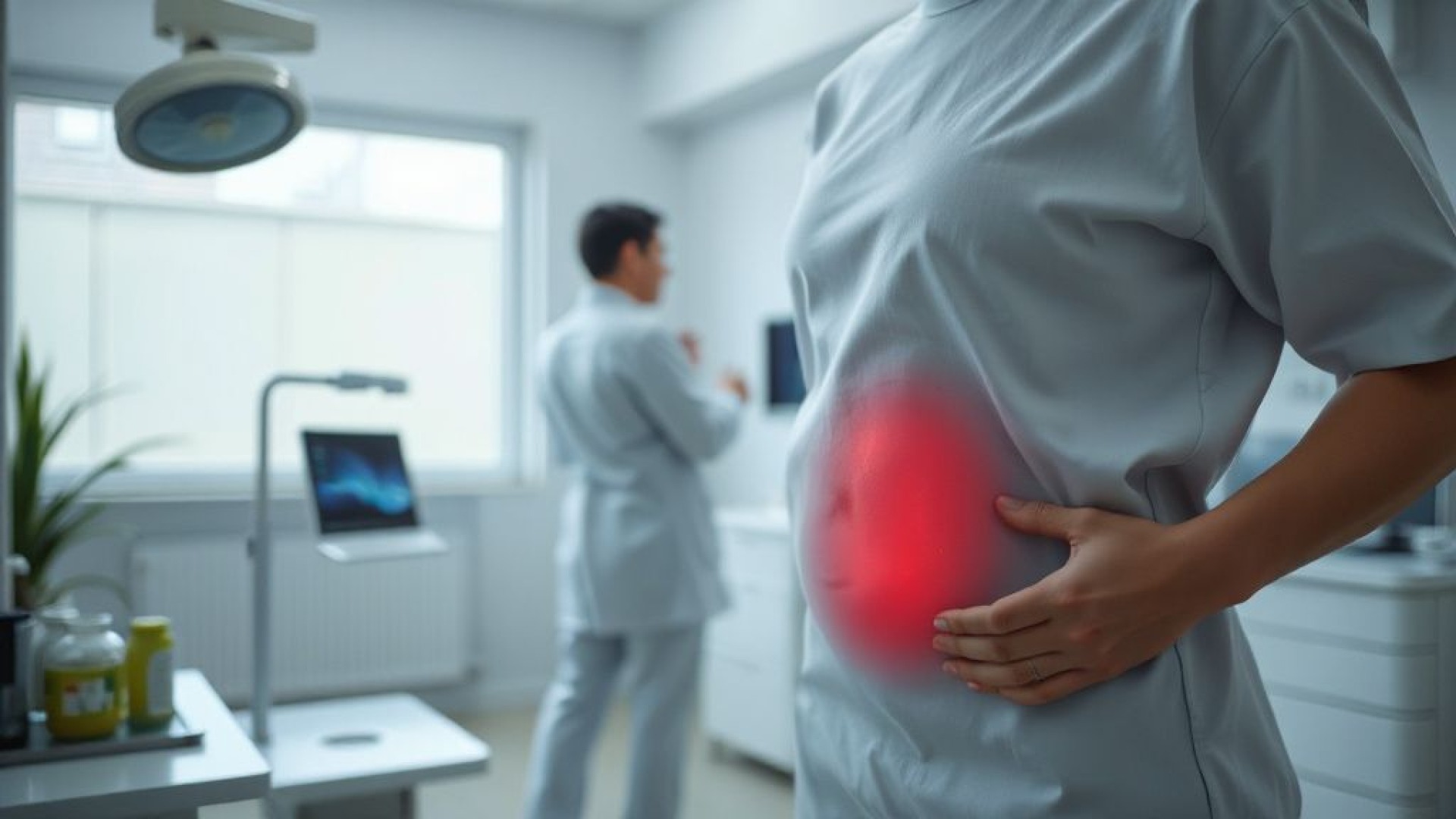
A definitive medical consensus balances efficacy against individual contraindications for fibroid symptoms and options. The prognosis for women with fibroids is generally good. However, it is highly individualized. Many women experience no symptoms. Others have debilitating issues. Therefore, timely diagnosis and appropriate management are crucial.
Medical therapies aim to control bleeding and pain. They can also shrink fibroids temporarily. Consequently, they offer relief and improve quality of life. Surgical options provide more definitive solutions. Myomectomy preserves fertility. Hysterectomy offers a permanent resolution of symptoms. Therefore, the long-term prognosis depends heavily on the chosen treatment path.
It also depends on adherence to medical advice.Future Horizons in Preventative MedicineConcluding perspective on emerging therapeutic research and personalized medicine highlights promising advancements. Research continues to explore novel pharmacological agents. These aim for greater specificity and fewer side effects. For instance, targeted therapies are under investigation.
They may inhibit fibroid growth pathways more precisely. At the same time, minimally invasive procedures are evolving. These include uterine artery embolization (UAE) and radiofrequency ablation. They offer less invasive alternatives to traditional surgery. Consequently, these advancements expand the spectrum of fibroid symptoms and options.
Beyond that, a deeper understanding of genetic predispositions may lead to personalized risk assessment. This could enable earlier intervention. Therefore, the future of managing fibroids is optimistic. It focuses on tailored, effective, and patient-centered care. This ensures optimal outcomes for women’s reproductive health.
Fibroid symptoms and options
Clinical Summary: Rigorous clinical trials substantiate meaningful improvements in symptom management and quality of life for women navigating fibroid symptoms and options.
- ✚ Hormonal modulation to control growth
- ✚ Reduction of excessive menstrual bleeding
- ✚ Alleviation of bulk-related symptoms
⚠️ Clinical Precaution: Consult an attending physician prior to modifying prescription therapies or initiating intensive protocols. Discuss all treatment options thoroughly.
👉 Experience the visual edition: Watch the Web Story ⚡. Access verified research updates directly on zeudytech.com. Cross-reference technical records via National Institutes of Health (PubMed Clinical Database).