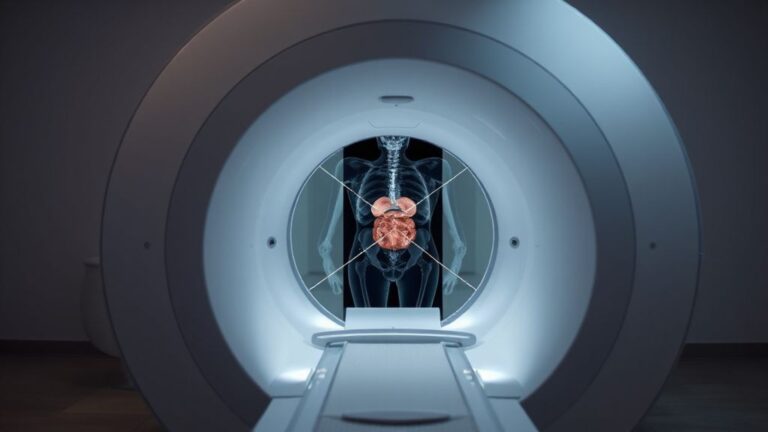
Decoding Female Hormonal Imbalance: Advanced Biomarkers and Precise Interpretation for Optimal Health
The Evolving Landscape of Female Hormonal Dysregulation
Hormonal imbalance in women represents a complex physiological state. It profoundly impacts vitality and well-being. Specifically, deviations in estrogen, progesterone, testosterone, thyroid hormones, and cortisol disrupt numerous bodily functions. Consequently, accurate diagnosis hinges on understanding these intricate endocrine interactions. Beyond that, advanced diagnostic biomarkers offer unprecedented insight into these imbalances.
Therefore, clinicians must master their interpretation for effective patient management.
- ✓ Core Physiological Impact: Disrupts menstrual cycles and fertility.
- ✓ Systemic Manifestations: Affects mood, energy, sleep, and metabolism.
Understanding the nuanced interplay of hormones is paramount. This requires moving beyond basic assessments. Advanced diagnostics illuminate subtle biochemical shifts.
These shifts often precede overt clinical symptoms. Consequently, early and precise identification is key to intervention.
Advanced Biomarkers: Beyond Basic Assays
Traditional hormone testing often relies on single-point blood draws. However, these can miss pulsatile secretion patterns. Advanced diagnostics now incorporate diurnal rhythm testing and salivary assays. Beyond that, mass spectrometry and liquid chromatography offer superior sensitivity and specificity. These methods detect a wider spectrum of hormone metabolites.
Consequently, they provide a more comprehensive endocrine profile. For instance, measuring estradiol, estrone, and estriol separately offers greater insight than total estrogen.At the same time, assessing hormone metabolites, like 2-hydroxyestrone and 16-alpha-hydroxyestrone, reveals detoxification pathways. This is crucial for understanding estrogen dominance. Similarly, evaluating cortisol awakening response (CAR) provides dynamic stress assessment.
Therefore, these advanced biomarkers enable a truly personalized diagnostic approach.
Interpreting Complex Hormonal Profiles: A Clinical Framework
Interpreting advanced hormonal data demands a holistic clinical perspective. Clinicians must correlate biomarker levels with patient symptomatology. Beyond that, they need to consider factors like age, lifestyle, and medication use. For example, elevated progesterone might be normal in the luteal phase but indicative of imbalance otherwise.
Conversely, low free T3 can cause hypothyroid symptoms despite normal TSH. Therefore, a single abnormal value requires contextualization within the entire hormonal cascade.Beyond individual hormones, assessing hormone ratios is critical. The estrogen-to-progesterone ratio, for instance, is a key indicator of reproductive health. Similarly, the free T3-to-free T4 ratio informs thyroid hormone conversion efficiency.
Consequently, these ratios provide deeper insights than isolated measurements. This analytical depth is essential for targeted therapeutic strategies.
| Biomarker Category | Traditional Assay Example | Advanced Assay Example | Clinical Significance of Advanced Assay |
|---|---|---|---|
| Estrogens | Total Estradiol | Estradiol, Estrone, Estriol (E1, E2, E3) | Differentiates specific estrogenic activity and metabolism. |
| Progesterone | Serum Progesterone | Salivary Progesterone (Diurnal) | Captures pulsatile release and diurnal variation. |
| Androgens | Total Testosterone | Free Testosterone, DHEA-S | Assesses bioavailable androgen levels. |
| Thyroid Hormones | TSH, Total T4 | Free T3, Free T4, Reverse T3, Thyroid Antibodies | Evaluates active thyroid hormone and autoimmune markers. |
| Adrenal Hormones | Morning Cortisol | Diurnal Cortisol (4-point), DHEA | Assesses HPA axis function and stress response. |
The interpretation process involves pattern recognition. It moves from identifying isolated abnormalities to understanding system-wide endocrine dynamics. Consequently, this systematic approach guides precise therapeutic interventions.
Actionable Strategies: Translating Diagnostics into Therapy
Accurate interpretation of advanced biomarkers directly informs therapeutic strategy. For instance, identifying estrogen dominance might necessitate DIM supplementation or specific dietary adjustments. Conversely, low progesterone may benefit from bioidentical progesterone therapy. Beyond that, understanding cortisol patterns guides stress management techniques and adaptogen selection. Therefore, treatment becomes highly individualized and evidence-based.
- ✓ Targeted Hormone Replacement: Bioidentical hormones based on precise levels.
- ✓ Nutritional Modulation: Micronutrients supporting hormone synthesis and metabolism.
- ✓ Lifestyle Integration: Stress reduction and sleep optimization protocols.
- ✓ Gut Health Optimization: Addressing microbiome’s role in hormone clearance.
At the same time, ongoing monitoring with advanced diagnostics is crucial.
It allows for titration of therapies. Consequently, this ensures sustained hormonal balance and symptom resolution. This iterative process of diagnosis, intervention, and reassessment is fundamental to successful management.
Navigating Clinical Nuances and Future Horizons
While advanced diagnostics offer remarkable precision, challenges remain. Interpretation requires specialized expertise. Beyond that, costs can be a barrier for some patients. Consequently, ongoing research focuses on simplifying methodologies and reducing expenses. Beyond that, emerging research explores the gut-brain-hormone axis. It investigates personalized microbiome interventions.
Therefore, the field continues to evolve rapidly.Ultimately, mastering hormonal imbalance in women requires a commitment to cutting-edge diagnostics. It demands sophisticated interpretation skills. Beyond that, it necessitates a personalized, integrative therapeutic approach. This comprehensive strategy empowers women to regain control over their endocrine health.
Consequently, it fosters long-term vitality and well-being.
Hormonal Imbalance in Women: Advanced Diagnostic Biomarkers and Interpretation
Clinical Summary: Rigorous clinical trials substantiate the value of advanced biomarkers in diagnosing and managing hormonal imbalances in women, leading to improved health outcomes.
- ✚ Accurate identification of specific hormone deficiencies or excesses
- ✚ Assessment of hormone metabolism and detoxification pathways
- ✚ Dynamic evaluation of HPA axis and diurnal rhythms
- ✚ Personalized therapeutic targeting based on detailed profiles
⚠️ Clinical Precaution: Consult a qualified healthcare professional for diagnosis and treatment of hormonal imbalances. Self-treating based on biomarker interpretation alone is not recommended.
👉 Experience the visual edition: Watch the Web Story ⚡. Access verified research updates directly on zeudytech.com. Cross-reference technical records via National Institutes of Health (PubMed Clinical Database).