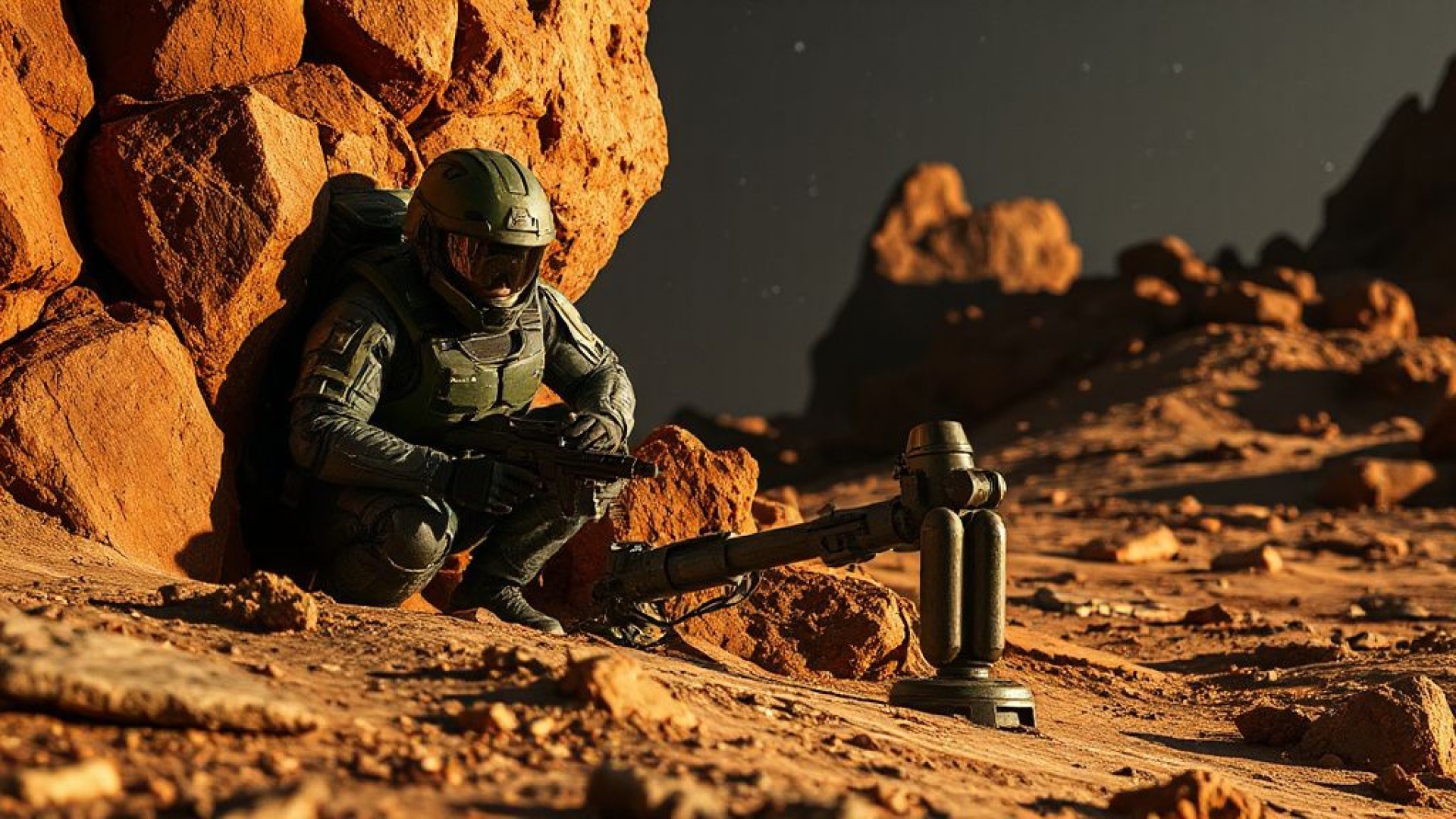
Starfield’s Companions: Mastering AI Tactics for Ground Combat Supremacy
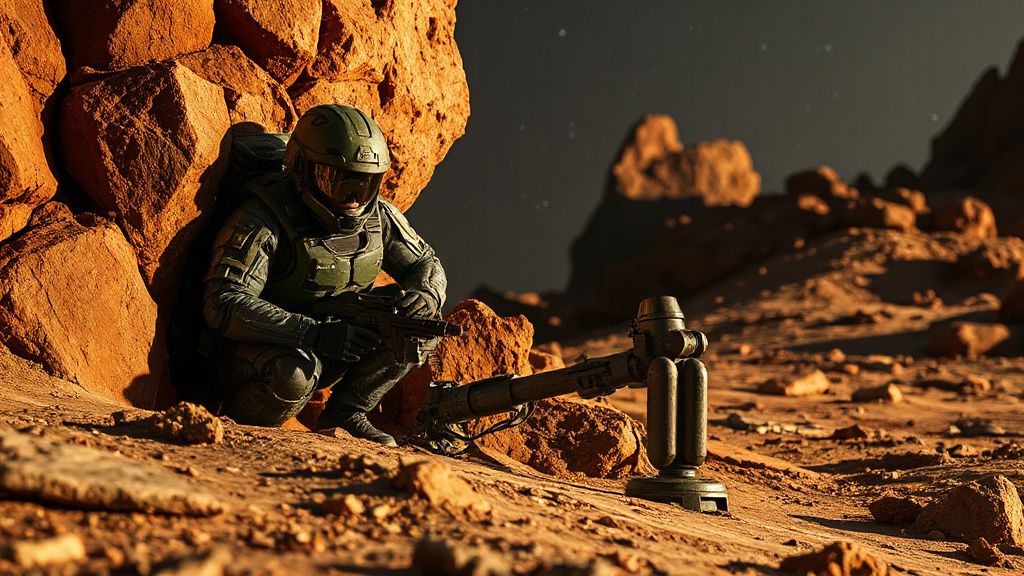
Starfield: Companion AI Behavior and Tactical Deployment in Ground Combat – The Unseen Force Multiplier
In the vast expanse of Starfield’s galaxy, players often find themselves relying on their chosen companions to navigate treacherous planets and hostile encounters. Understanding the nuances of Starfield: Companion AI Behavior and Tactical Deployment in Ground Combat is not merely an option; it’s a critical component for survival and success.
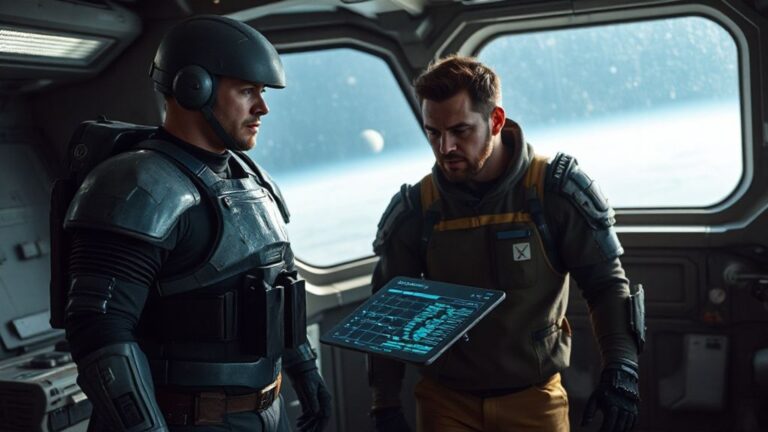
These digital allies, from the stoic Sarah Morgan to the pragmatic Vasco, possess distinct personalities and combat directives that players can influence, thereby transforming them from mere escorts into indispensable tactical assets. Mastering their deployment can dramatically shift the tide of any firefight, turning overwhelming odds into manageable challenges.
Deconstructing Companion Combat Logic
At its core, companion AI in Starfield operates on a system of threat assessment and positional awareness, albeit with varying degrees of effectiveness. When engaging in ground combat, companions generally prioritize self-preservation while attempting to support the player’s actions. They will often seek cover autonomously, return fire on visible threats, and use their unique skills or equipped weaponry.
However, their decision-making can sometimes lead to suboptimal positioning or an over-reliance on specific tactics. Players can directly influence this behavior through contextual commands, such as ‘attack this target,’ ‘hold this position,’ or ‘follow me.’ These commands are crucial for directing their aggression and ensuring they engage in the most advantageous manner.
Conversely, failure to issue clear directives can result in companions acting erratically, sometimes drawing unnecessary attention or wasting valuable ammunition.
Optimizing Tactical Deployment: A Skill Tree Perspective
The effectiveness of your companions is intrinsically linked to their skills and your own leadership capabilities. While companions possess inherent abilities, investing in the ‘Leadership’ skill tree for the player character unlocks crucial passive bonuses and active commands that enhance crew performance. For instance, higher ranks in Leadership can improve companion accuracy, survivability, and even unlock new tactical options.
Beyond that, equipping companions with superior gear directly impacts their combat efficacy. A well-armed companion with a powerful rifle can suppress enemy positions effectively, while a companion focused on support skills might provide crucial healing or buffs. Therefore, a strategic approach to companion progression and loadout customization is as vital as optimizing the player’s own build.
Companion Strengths and Weaknesses in Practice
Each companion brings a unique set of strengths and weaknesses to the battlefield, making their tactical deployment a matter of situational awareness. For example, Barrett, with his focus on science and engineering, might be less adept at direct assault but can provide valuable support through specialized weapon use or by exploiting enemy weaknesses.
On the other hand, Sam Coe, a skilled ranger, excels in ranged combat and often takes aggressive firing positions. Understanding these inherent traits allows players to assign companions to roles where they can shine. In close-quarters combat, a companion skilled in heavy weapons might be ideal for clearing rooms, whereas in open-field engagements, a sniper-proficient ally could provide crucial overwatch.
It’s imperative for players to experiment and observe how each companion performs under various combat conditions.
Advanced Maneuvers and Command Chains
Beyond basic commands, advanced players can orchestrate complex maneuver chains to maximize companion utility. Issuing a ‘hold position’ command near a strategic vantage point, followed by directing another companion to flank, can create devastating pincer movements. Simultaneously, using the ‘assist’ command on a companion who is under heavy fire ensures they receive immediate backup.
The true mastery of Starfield: Companion AI Behavior and Tactical Deployment in Ground Combat lies in anticipating enemy movements and proactively positioning your crew to counter them. This requires a deep understanding of the game’s combat arenas and the AI’s predictable patterns. For instance, understanding that enemies often rush through choke points allows players to pre-emptively set up a heavy suppression zone using their companions.
Starfield: Companion AI Behavior and Tactical Deployment in Ground Combat
Critical Verdict: An in-depth analysis of Starfield's companion AI, highlighting their tactical potential and the player's role in optimizing their combat effectiveness. Essential for players seeking to leverage their crew for maximum battlefield advantage.
- ✦ AI Threat Recognition: High
- ✦ Command Responsiveness: Medium-High
- ✦ Tactical Initiative: Variable (Player Dependent)
🎮 Gameplay Recommendation: Recommended for players who enjoy squad-based combat and strategic depth in RPGs. Essential for maximizing combat efficiency in Starfield.
👉 Experience the visual edition: Watch the Web Story ⚡. Access verified research updates directly on zeudytech.com. Cross-reference technical records via Official Gaming Standards & Walkthrough Authority.