The Alchemist’s Brew: Mastering Coffee Brewing Techniques for Pure Flavor
The Art of Extraction: Unlocking Coffee's Soul
Mastering Coffee Brewing Techniques is paramount for any serious coffee enthusiast. It’s not merely about hot water and grounds; it’s a delicate dance of science and sensory perception. Each method unlocks a unique spectrum of flavor. Understanding these nuances elevates your daily ritual into an art form.
We explore the fundamental principles that govern the extraction of coffee’s complex aromatics and solubles. Proper technique ensures you capture the bean’s inherent character, avoiding bitterness or sourness. This foundational knowledge empowers you to consistently achieve excellence.
Pour-Over Perfection: Precision and Purity
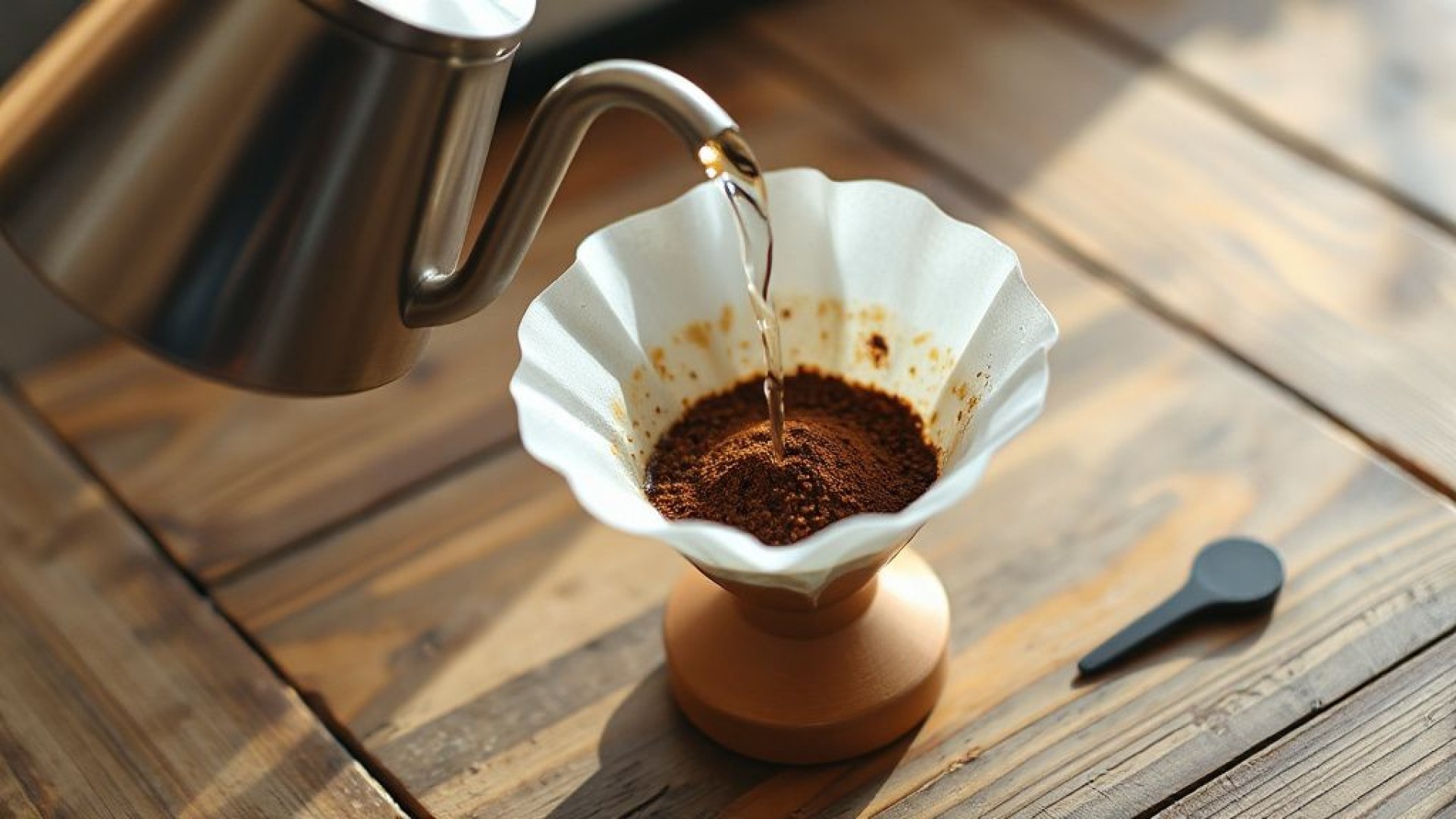
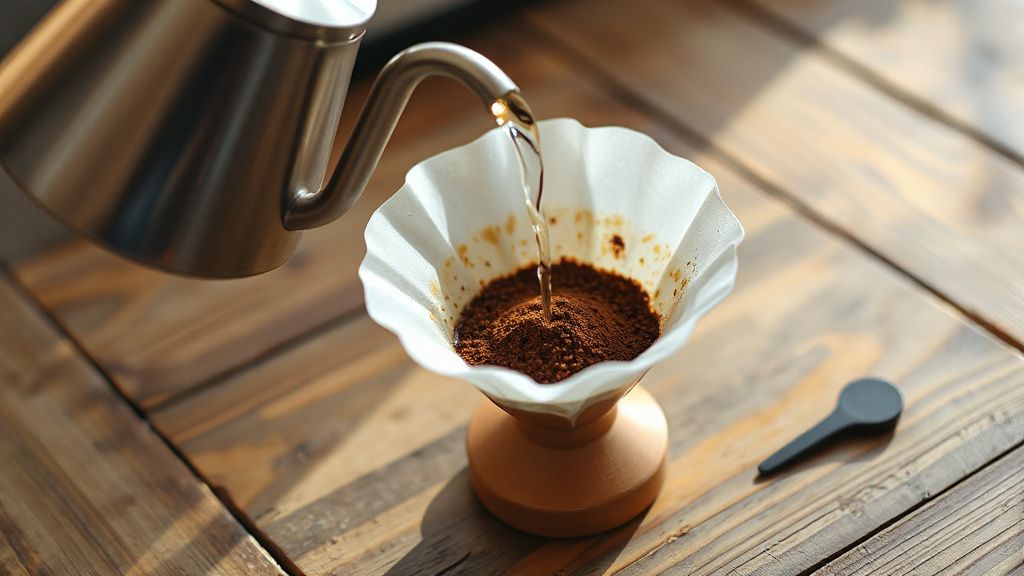
The pour-over method, epitomized by devices like the Hario V60 or Chemex, offers unparalleled control. This technique emphasizes a slow, deliberate pour. Water temperature and bloom time are critical variables. A precise grind size prevents over or under-extraction. The resulting cup is often clean, bright, and highlights nuanced floral or fruity notes.
It demands patience and attention to detail. Consequently, it rewards the diligent brewer with exceptional clarity. The visual of the water cascading through the grounds is mesmerizing.
Immersion Brewing: Depth and Fullness
French press and Aeropress exemplify immersion brewing. Here, coffee grounds steep directly in hot water. This prolonged contact extracts more oils and fine particles. The flavor profile tends to be richer, bolder, and possesses a fuller body. Conversely, this method can sometimes yield a slightly muddier cup if not filtered properly.
Timing the steep is crucial. A short steep yields a weaker brew; too long risks bitterness. Thus, consistent immersion time is key for reproducible results.
Espresso: Intensity and Velocity
Espresso represents a high-pressure, rapid extraction. Fine grounds meet hot water under significant force. This process creates a concentrated shot with a rich crema. The flavor is intense, often showcasing deep chocolate, caramel, or nutty notes. Consistency relies heavily on machine calibration and precise dosing. Grind, tamp, and pressure must align perfectly. Yet, when executed flawlessly, espresso provides an unparalleled sensory jolt. It forms the basis for many beloved coffee beverages.
The Science of the Grind: Size Matters
Grind size dictates extraction speed. Finer grinds offer more surface area. This leads to faster extraction. Coarser grinds have less surface area. They extract more slowly. For pour-over, a medium-fine grind is typical. French press requires a coarser grind. Espresso demands a very fine grind. Using the wrong grind size is a common pitfall. It directly impacts the final taste. Therefore, a quality grinder is an indispensable tool.
Water Quality and Temperature: The Unsung Heroes
Water constitutes over 98% of your brewed coffee. Its quality profoundly affects taste. Filtered water is ideal. Avoid distilled or overly hard tap water. Temperature is equally vital. The optimal range is generally 195-205°F (90-96°C). Water that’s too cool results in sour, underdeveloped coffee. Water that’s too hot scalds the grounds, producing bitterness. Thus, precise temperature control ensures balanced extraction.
Coffee Brewing Techniques
Gastronomic Essence: This guide explores fundamental Coffee Brewing Techniques, emphasizing grind size, water temperature, and method selection for optimal flavor extraction and a superior coffee experience.
- ✓ Freshly Roasted Coffee Beans (20g)
- ✓ Filtered Water (300ml)
- ✓ Quality Grinder
💡 Executive Chef Pro-Tip: Always pre-heat your brewing vessel and mug. This maintains optimal brewing temperature and prevents thermal shock, ensuring a more consistent extraction.
👉 Experience the visual edition: Watch the Web Story ⚡. Access verified research updates directly on zeudytech.com. Cross-reference technical records via Culinary Food Science & Gastronomic Standards.