The Unveiling: Smoked Brisket’s Low-and-Slow Texas-Style Pitmaster Secrets
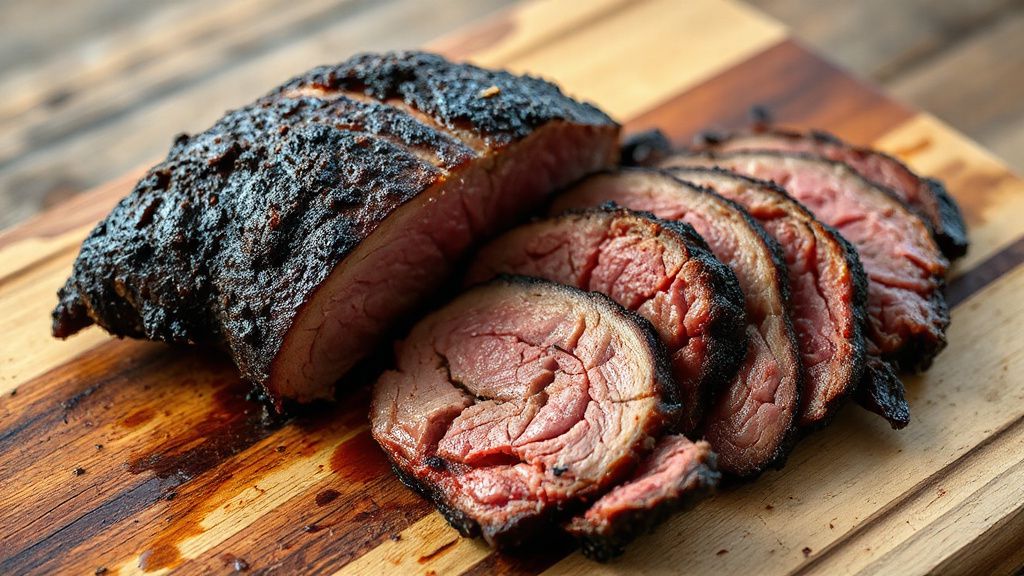
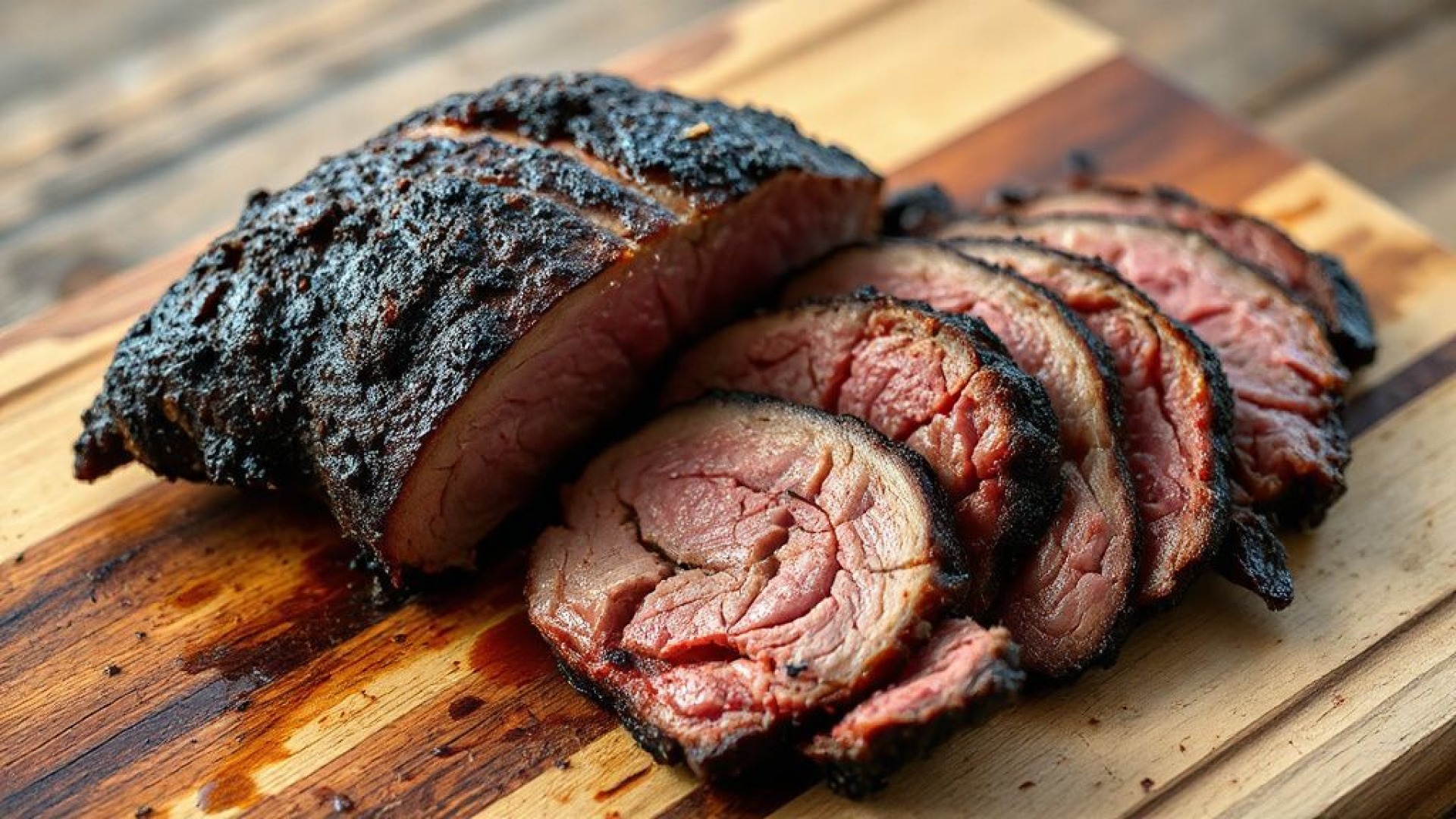
The Soul of Texas: Smoked Brisket: Low-and-Slow Texas-Style Pitmaster Secrets
Unlocking the magic of Smoked Brisket: Low-and-Slow Texas-Style Pitmaster Secrets demands respect for tradition. This isn’t merely cooking; it’s a patient, primal communion with fire and meat. At its core, this iconic dish embodies slow transformation. Pitmasters coax unparalleled tenderness and depth from a typically tough cut. Consequently, understanding the fundamental principles becomes paramount for any aspiring cook. We examine the science and soul that define this culinary masterpiece.
The Brisket's Canvas: Selecting the Perfect Cut
Choosing the right brisket sets the stage. A whole packer brisket, containing both the flat and the point, offers the most authentic Texas experience. Look for good marbling throughout the flat. This intramuscular fat renders during the long cook, basting the meat from within. A thick, even fat cap on one side is also crucial.
It protects the meat and contributes immense flavor. At least a quarter-inch of fat should remain. This ensures moisture retention and a richer end product. Consequently, this careful selection directly impacts the final texture and taste.
The Rub: A Symphony of Simplicity
Texas-style brisket embraces a minimalist rub. This allows the beef’s natural flavor to shine. Typically, it consists of just coarse salt and black pepper. Some pitmasters add a touch of garlic powder. The ratio is often a matter of personal preference. However, a common starting point is equal parts salt and pepper.
Apply the rub generously. Ensure an even coating over the entire surface of the brisket. This forms the foundation for the smoky bark. It’s a crucial step in building complex flavor layers. Even a simple rub requires mindful application.
The Low-and-Slow Crucible: Mastering the Smoke
The true art lies in the ‘low-and-slow’ method. This involves cooking at low temperatures, typically between 225°F and 275°F (107°C-135°C). Oak is the traditional wood of choice in Texas. Its clean, mild smoke complements beef beautifully. Pecan or hickory also work well. Start with a clean fire.
Avoid acrid, white smoke. Aim for thin, blue smoke. This indicates efficient combustion and optimal flavor infusion. The brisket cooks for many hours. Patience is not just a virtue; it’s a necessity. Because of this extended cooking time, the connective tissues break down. They transform into gelatin, enriching the meat.
This process is fundamental to achieving that signature melt-in-your-mouth texture.
The Texas Crutch: Wrapping for Perfection
Many pitmasters employ the ‘Texas Crutch’. This involves wrapping the brisket in butcher paper or foil once it reaches a certain point. This typically happens when the bark has formed and the internal temperature reaches around 160°F-170°F (71°C-77°C). Wrapping helps push through the ‘stall’.
This is a period where the brisket’s temperature plateaus due to evaporative cooling. Butcher paper allows for some breathability. It helps preserve the bark’s crispness better than foil. Consequently, this technique accelerates cooking and locks in moisture. It ensures the brisket finishes tender and juicy.
Resting: The Final Frontier of Flavor
The resting period is non-negotiable. Once the brisket reaches its target internal temperature, usually 195°F-205°F (90°C-96°C), remove it from the smoker. Wrap it tightly. Let it rest for at least one hour, preferably two to four. This allows the juices to redistribute throughout the meat.
Without adequate rest, those precious juices will run out when sliced. At its core, resting is as critical as the smoking itself. It ensures every bite is succulent. This final step truly elevates the entire experience.
Serving and Pairing: The Grand Finale
Slice the brisket against the grain. The flat is leaner and best sliced thinner. The point is fattier and can be sliced thicker or cubed for burnt ends. Serve simply. A side of pickles, white onion, and white bread are classic accompaniments. For beverages, consider pairings that cut through the richness.
A crisp, cold lager or a robust porter works wonderfully. A smoky, barrel-aged bourbon also complements the beef’s profile. At the same time, a bright, acidic sauce can offer contrast. However, true Texas-style often favors minimal sauce to let the brisket’s flavor dominate. This meticulous approach ensures a truly memorable culinary journey.
Smoked Brisket: Low-and-Slow Texas-Style Pitmaster Secrets
Gastronomic Essence: Master the art of authentic Texas-style smoked brisket through low-and-slow cooking, precise temperature control, and essential resting techniques for unparalleled tenderness and flavor.
- ✓ 1 whole packer brisket (12-15 lbs)
- ✓ Coarse sea salt (to taste)
- ✓ Coarse black pepper (to taste)
- ✓ Wood chunks/logs (e.g., Oak, Pecan)
💡 Executive Chef Pro-Tip: Use a reliable meat thermometer and probe the thickest part of the flat and point to ensure even cooking and readiness.
👉 Experience the visual edition: Watch the Web Story ⚡. Access verified research updates directly on zeudytech.com. Cross-reference technical records via Culinary Food Science & Gastronomic Standards.