LiDAR, Radar, Camera: The Complex Symphony of Autonomous Drive Sensor Fusion
The Trinity of Perception: LiDAR, Radar, and Cameras
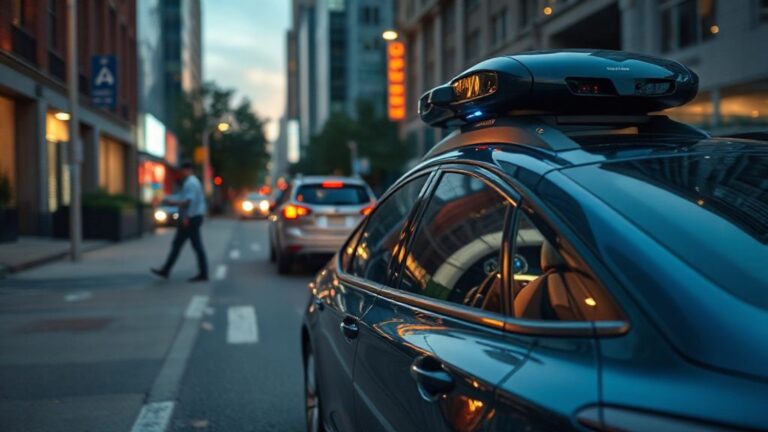
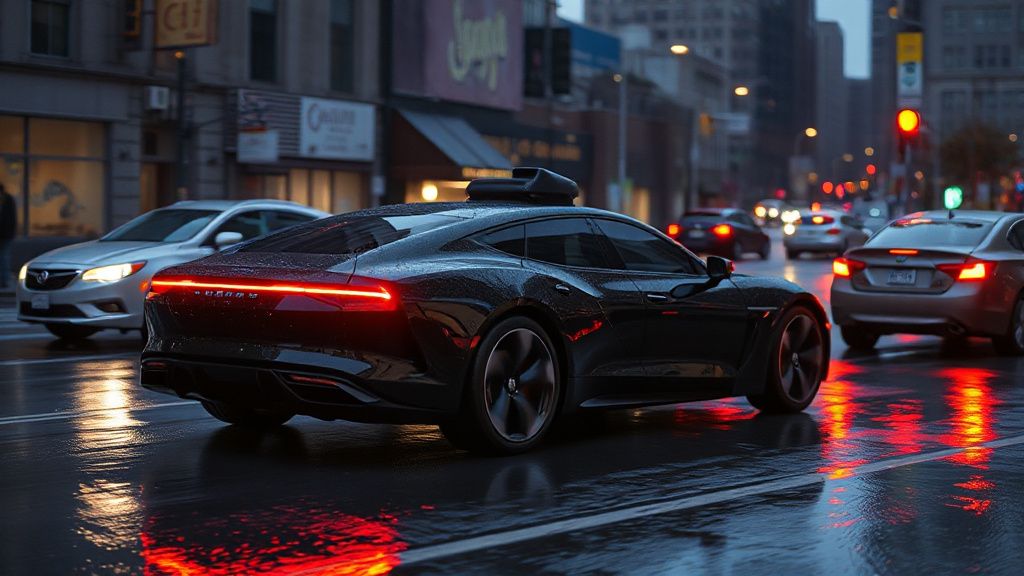
Autonomous driving relies on a sophisticated interplay of sensors. LiDAR, radar, and cameras form the bedrock of this perception system. Each offers unique strengths and inherent limitations. Consequently, their effective integration presents significant engineering challenges. To achieve true autonomy, these disparate data streams must coalesce into a coherent environmental model.
This process demands immense computational power and complex algorithms. Because of this complexity, the Autonomous Drive Sensor Fusion: LiDAR, Radar, and Camera Integration Challenges remain a focal point for automotive innovation.
LiDAR's Precision vs. Radar's Robustness
LiDAR excels at creating high-resolution 3D maps of the surroundings. It precisely measures distances and identifies object shapes. Yet, its performance degrades in adverse weather like heavy rain or fog. Conversely, radar penetrates these conditions with remarkable resilience. It accurately detects objects and their velocities, even through obscurants.
However, radar typically offers lower spatial resolution. Therefore, fusing these two technologies compensates for individual weaknesses. This synergy ensures a more reliable perception, especially in dynamic driving scenarios.
Camera's Rich Visual Data and Its Limitations
Cameras provide invaluable color and texture information. They identify traffic signs, lane markings, and pedestrian gestures. This visual richness is crucial for interpreting the nuanced environment. Still, cameras struggle in low-light conditions or direct glare. Their depth perception is also less direct than LiDAR’s. To overcome these issues, advanced image processing techniques are employed. These algorithms enhance visibility and infer distances. Integrating camera data with LiDAR and radar creates a comprehensive understanding.
The Synchronization and Calibration Conundrum
At its core, successful sensor fusion hinges on precise synchronization. All sensor data must be time-stamped accurately. This ensures that perceptions from different sources align correctly. Beyond that, rigorous calibration is paramount. Each sensor must be precisely aligned relative to the vehicle and to each other.
Any misalignment introduces errors into the fused data. Consequently, this can lead to misinterpretations of the environment. Engineers dedicate significant effort to maintaining this calibration over the vehicle’s lifespan. Because of this, ongoing diagnostics are critical.
Algorithmic Complexity: Merging Worlds
Developing algorithms that seamlessly merge disparate sensor inputs is a monumental task. These algorithms must handle conflicting data gracefully. They must prioritize reliable information and flag uncertainty. Machine learning plays a pivotal role here. Neural networks are trained on vast datasets. This training enables them to learn complex patterns and correlations. Thus, the system becomes more adept at making accurate predictions. The goal is a unified, robust environmental representation for decision-making.
Environmental Factors: The Unpredictable Variable
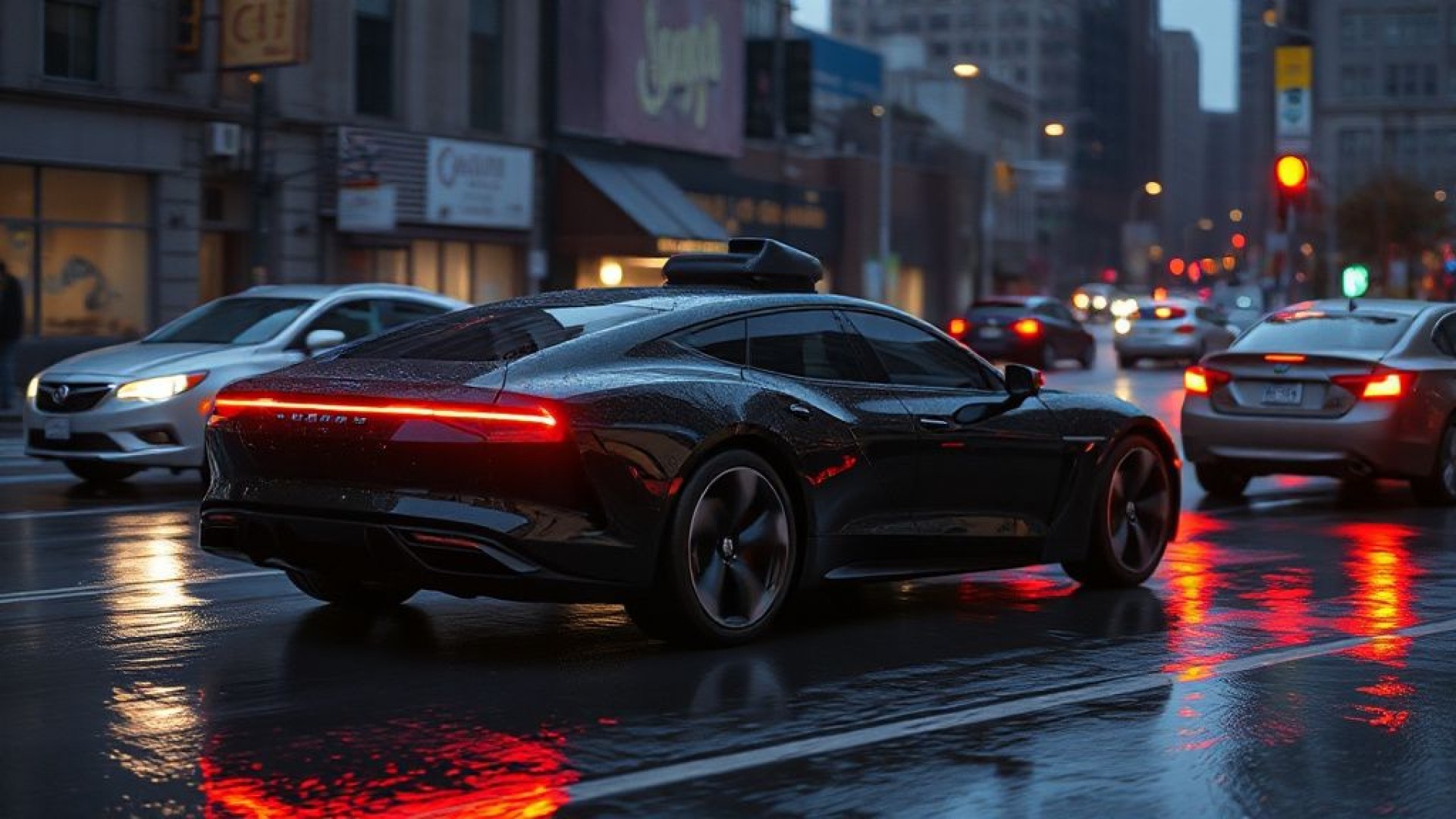
The real world presents endless variables. Extreme temperatures, dust, mud, and vibration all impact sensor performance. Snow can obscure radar signals and blind LiDAR. Heavy rain creates reflections that confuse cameras. Consequently, sensor fusion systems must be designed for resilience. Robust hardware and intelligent software adaptations are essential. Testing across diverse environmental conditions is non-negotiable. This rigorous validation ensures safety and reliability in all scenarios.
Autonomous Drive Sensor Fusion: LiDAR, Radar, and Camera Integration Challenges
Engineering Assessment: The intricate fusion of LiDAR, radar, and camera systems forms the sensory core of autonomous vehicles, demanding sophisticated engineering to overcome environmental and technical hurdles for robust perception.
- ⚡ LiDAR Resolution & Range
- ⚡ Radar Detection Capabilities (Velocity & Object)
- ⚡ Camera Field of View & Low-Light Performance
- ⚡ Sensor Synchronization Accuracy
- ⚡ Calibration Drift Tolerance
🏁 Ownership Verdict: Mastering sensor fusion is paramount for autonomous vehicle deployment. Continuous innovation addresses inherent challenges, promising enhanced safety and capability.
👉 Experience the visual edition: Watch the Web Story ⚡. Access verified research updates directly on zeudytech.com. Cross-reference technical records via Global Automotive Authority.