Velvet Matte Lipstick Pigment Stability: Unlocking the Formulator’s Ultimate Challenge
The Allure of Unwavering Matte Color
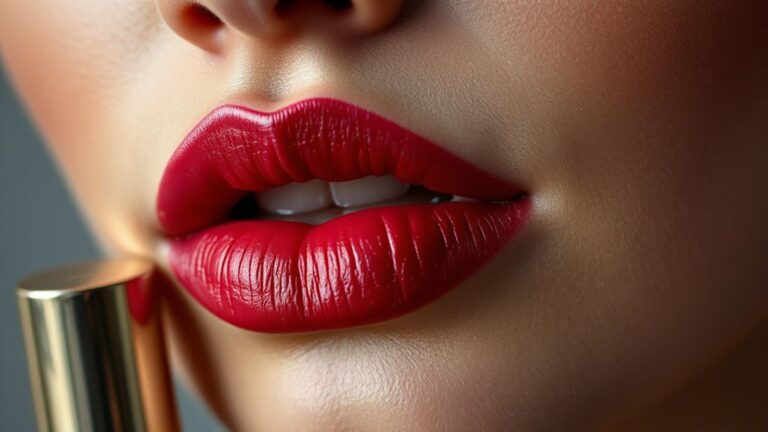
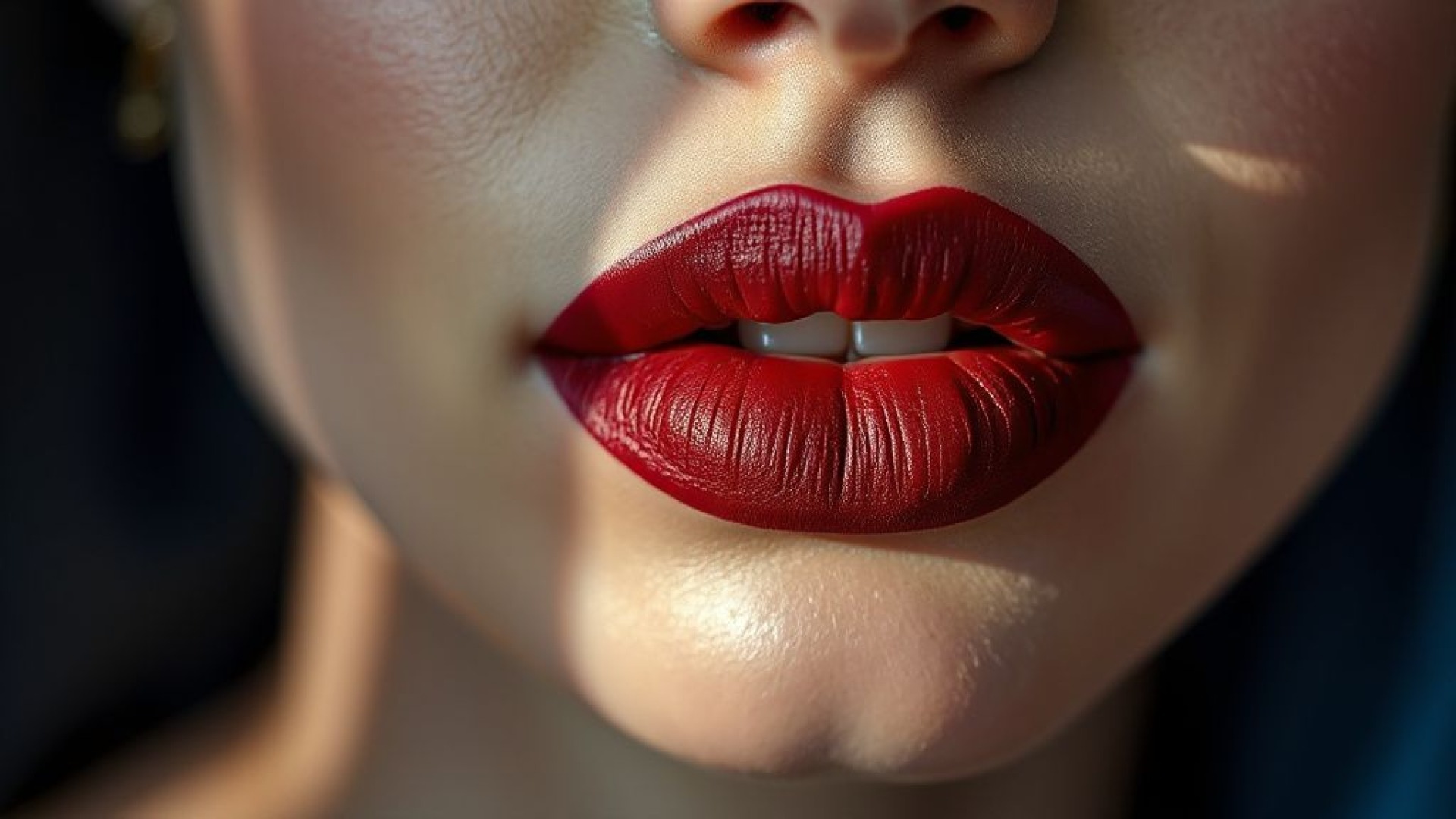
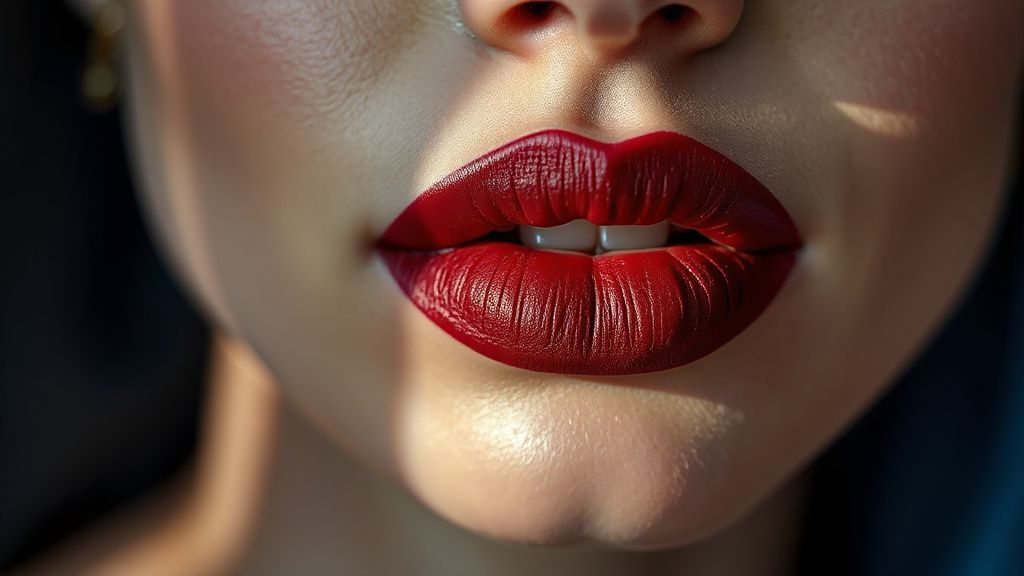
The quest for the perfect velvet matte lipstick is a siren’s call in the beauty industry. Consumers crave that plush, non-drying finish. It offers sophistication and modern glamour. Yet, achieving true pigment stability in these formulations presents a formidable challenge for cosmetic chemists. This intricate dance involves chemistry, physics, and a deep understanding of lip surface dynamics.
The inherent nature of matte finishes often requires ingredients that can absorb light and create a diffused effect. This can sometimes compromise pigment integrity over time. Consequently, formulators must meticulously balance aesthetics with longevity.
Pigment Encapsulation: A Dermatological Necessity
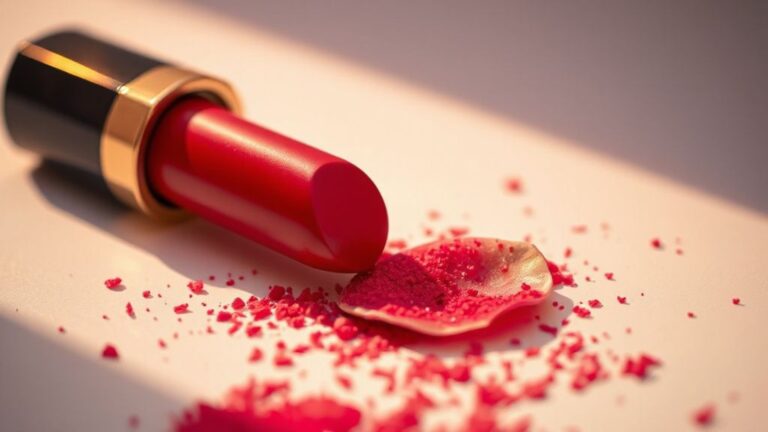
At the core of Velvet Matte Lipstick Pigment Stability: A Formulators Challenge lies the critical role of pigment encapsulation. Raw pigments, while vibrant, can be prone to aggregation and migration. This leads to color shift and uneven wear. Advanced formulation techniques employ surface treatments and specialized binders.
These create a protective barrier around each pigment particle. This encapsulation ensures uniform dispersion within the lipstick matrix. It also enhances color payoff and prevents premature fading. Beyond that, this process is vital for minimizing potential irritation. It ensures the pigment interacts minimally with the delicate lip epidermis.
Formulators often leverage silanes or lecithin for this purpose.
Formulation Trade-offs: Texture vs. Tenacity
The pursuit of a truly velvet matte texture often involves a delicate equilibrium. High levels of mattifying agents, such as silica or boron nitride, contribute to that desirable soft-focus effect. However, these same ingredients can create a drier film. This dryness can lead to pigment clumping or settling into lip lines.
Conversely, emollient esters and oils enhance glide and comfort. They can, however, compromise the matte finish and pigment adhesion. Thus, chemists carefully select a blend of waxes, polymers, and emollients. This selection aims to deliver both the desired sensory experience and robust pigment stability. It’s a complex equation, balancing immediate feel with enduring color.
Clinical Application Protocols and Environmental Factors
Beyond the laboratory bench, real-world application introduces further variables. Environmental exposure significantly impacts Velvet Matte Lipstick Pigment Stability: A Formulators Challenge. Heat and humidity can accelerate pigment degradation and alter the lipstick’s rheology. Exposure to UV radiation also poses a threat, potentially oxidizing colorants. Therefore, formulators often incorporate UV filters and antioxidants.
These act as guardians against environmental assault. From a clinical perspective, understanding lip surface pH is also paramount. Fluctuations can affect pigment binding. Accordingly, robust formulation design anticipates these external stressors. It ensures the lipstick maintains its integrity from application to removal.
The Future of Matte: Innovation in Pigment Science
The ongoing innovation in cosmetic chemistry continues to push the boundaries of matte lipstick performance. Novel pigment technologies are emerging. These include advanced surface modifications and encapsulation methods. They promise enhanced color vibrancy and unparalleled stability. Beyond that, research into biodegradable polymers and sustainable ingredients is transforming formulation strategies.
These advancements address both performance and environmental consciousness. Consequently, the future holds the promise of even more luxurious, long-lasting velvet matte lipsticks. They will undoubtedly redefine glamour on the runway and in everyday life.
Velvet Matte Lipstick Pigment Stability: A Formulators Challenge
Formulation Assessment: Expert analysis of pigment stability challenges in velvet matte lipstick formulations, focusing on ingredient science, texture dynamics, and wear longevity.
- ✦ Encapsulated Pigments (e.g., Iron Oxides, Titanium Dioxide)
- ✦ Mattifying Agents (e.g., Silica, Boron Nitride)
- ✦ Emollient Esters & Waxes (e.g., Carnauba, Beeswax)
- ✦ Film-Forming Polymers (e.g., Acrylates Copolymers)
🔬 Dermatological Verdict: Achieving stable, vibrant velvet matte finishes requires sophisticated pigment encapsulation and careful balancing of mattifying agents with emollient components to prevent color degradation and ensure comfortable wear.
👉 Experience the visual edition: Watch the Web Story ⚡. Access verified research updates directly on zeudytech.com. Cross-reference technical records via Haute Couture Beauty Insights.