Indus Valley’s Ancient Engineering Prowess: Unearthing Urban Planning and Water Management Secrets: Critical Evaluation
Foundations of Advanced Urbanism: The Indus Valley's Blueprint
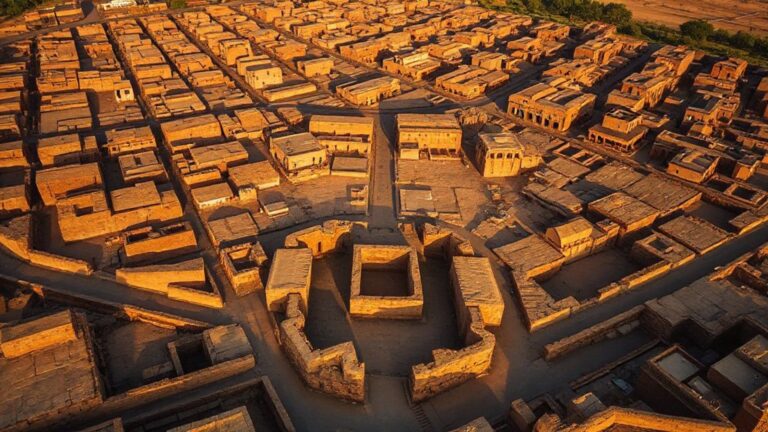
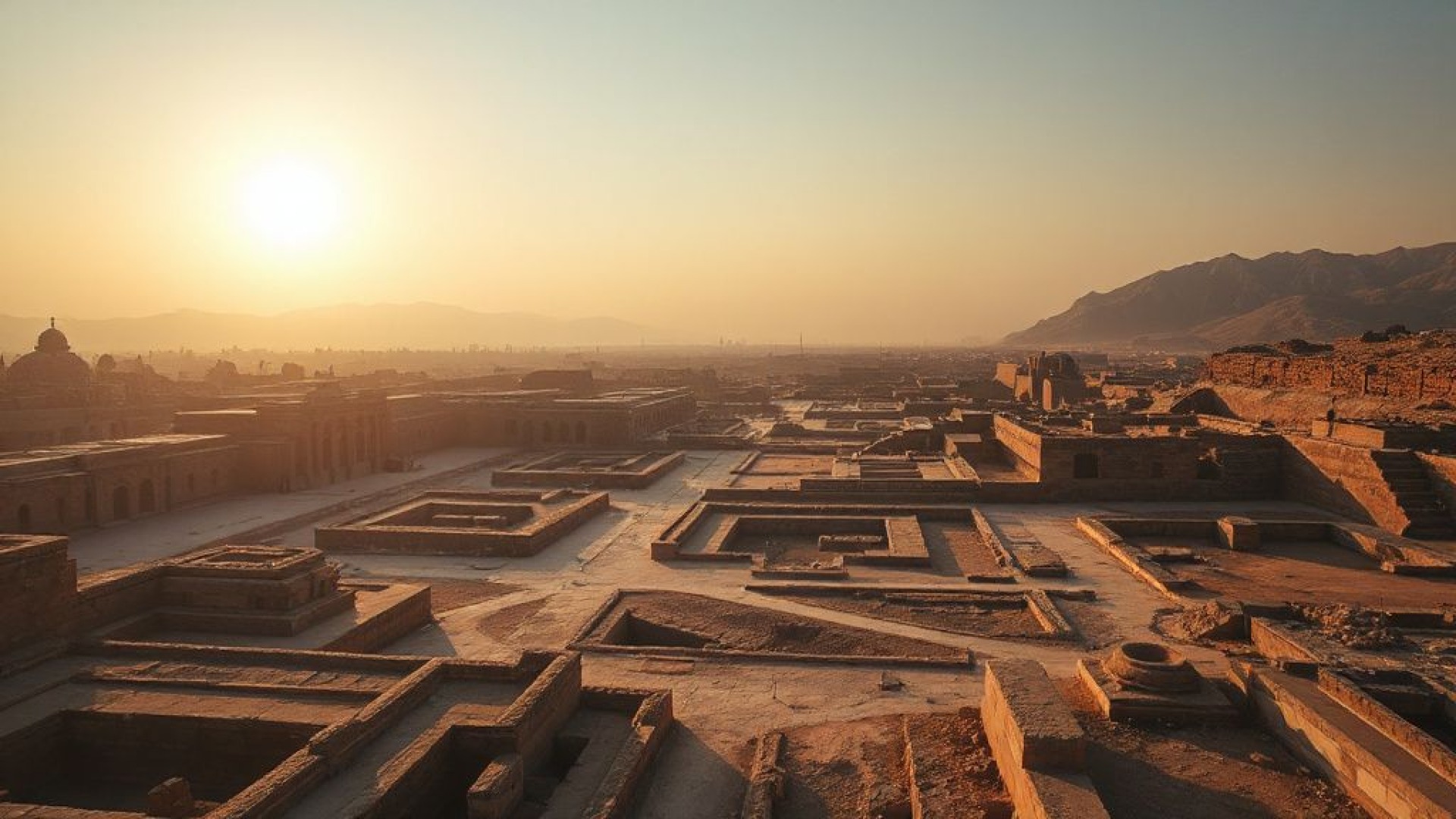
The enigmatic Indus Valley Civilization, flourishing between 2600 and 1900 BCE, stands as a compelling proof to sophisticated engineering and technological foresight. Its urban centers, notably Mohenjo-daro and Harappa, showcase a level of planned development unparalleled for their era. These cities were not haphazard growths; rather, they emerged from meticulous design principles.
Grid-like street layouts, precisely aligned with cardinal directions, facilitated efficient movement and sanitation. Buildings, constructed from standardized fired bricks, demonstrated an understanding of structural integrity and durability. This systematic approach to urban construction underscores a centralized authority capable of implementing complex infrastructural projects across vast geographical areas.Beyond mere aesthetics, the urban planning served vital practical functions.
Drainage systems, integrated into the very fabric of the cities, removed waste efficiently, preventing disease outbreaks. This proactive public health measure highlights a deep understanding of environmental factors influencing urban living. The sheer scale and uniformity of construction across multiple sites suggest a shared technological lexicon and organizational capacity, a remarkable feat for a Bronze Age society.
Hydraulic Ingenuity: Mastering Water for Civilization
The Indus Valley people’s mastery over water resources remains one of their most striking achievements. Their sophisticated water management systems extended from large-scale irrigation to intricate domestic plumbing. Reservoirs and elaborate well systems provided crucial water supplies, particularly in arid regions. The presence of numerous public and private wells indicates a society that valued and prioritized access to clean water for its inhabitants.Perhaps most impressive are the advanced sanitation and drainage networks.
Covered drains, running along streets and connected to individual dwellings, carried wastewater away. Many homes featured private bathing areas and latrines, connected to this sophisticated municipal system. This level of integrated water and waste management points to a profound understanding of hydraulics and urban public health principles, far exceeding contemporary civilizations.
The precise construction of these systems, often using carefully fitted bricks and waterproof materials, speaks volumes about their engineering acumen.
Technological Threads: Metallurgy, Measurement, and Standardization
The technological sophistication of the Indus Valley extended beyond civil engineering. Evidence suggests proficiency in metallurgy, with the creation of tools, weapons, and decorative items from copper, bronze, and lead. The standardization observed in their construction materials, such as the remarkably uniform brick sizes (often in a 4:2:1 ratio), points to advanced metrology and quality control.
This consistency facilitated efficient construction and trade across different settlements.Beyond that, their weights and measures system was highly precise and standardized. Archaeological finds reveal a set of cubical weights, often made of chert, exhibiting a binary and decimal system. This accuracy in measurement was crucial for trade, construction, and administration, indicating a society that valued empirical data and systematic organization.
The widespread adoption of these standards across the civilization implies a robust economic and administrative framework capable of enforcing such uniformity.
Legacy of Innovation: Enduring Insights
While the reasons for the decline of the Indus Valley Civilization remain debated, its engineering and technological innovations offer enduring lessons. The principles of urban planning, water management, and standardization demonstrated by this ancient society continue to resonate. Their achievements in creating well-organized, sanitary urban environments underscore the critical role of infrastructure in societal development and public well-being.
Investigating these ancient marvels provides invaluable context for understanding the trajectory of human ingenuity and the foundational elements of complex civilizations.
Ancient Civilizations: Indus Valley's Engineering and Technological Innovations
Intelligence Executive Brief: Investigative dispatch detailing the advanced engineering and technological innovations of the Indus Valley Civilization, focusing on urban planning, water management, and standardization.
- ✦ [Archaeological Surveys of Mohenjo-daro & Harappa]: Verified presence of grid-patterned city layouts and standardized fired brick construction.
- ✦ [Paleohydrological Studies]: Corroborated evidence of sophisticated water management systems including covered drains, wells, and reservoirs.
- ✦ [Analysis of Indus Weights and Measures]: Verified standardized metrology and a precise binary/decimal weight system observed across multiple sites.
⚖️ Editorial Assessment: Authoritative assessment of the Indus Valley Civilization's remarkable engineering achievements, highlighting their advanced understanding of urbanism and resource management.
👉 Experience the visual edition: Watch the Web Story ⚡. Access verified research updates directly on zeudytech.com. Cross-reference technical records via International Press & Verified Wire Repository.