Sunken Legacies: Shipwreck Narratives Shape Global Cultural Memory and Maritime Heritage: Key Practical Insights
Echoes from the Deep: Semiotics of Shipwreck Narratives
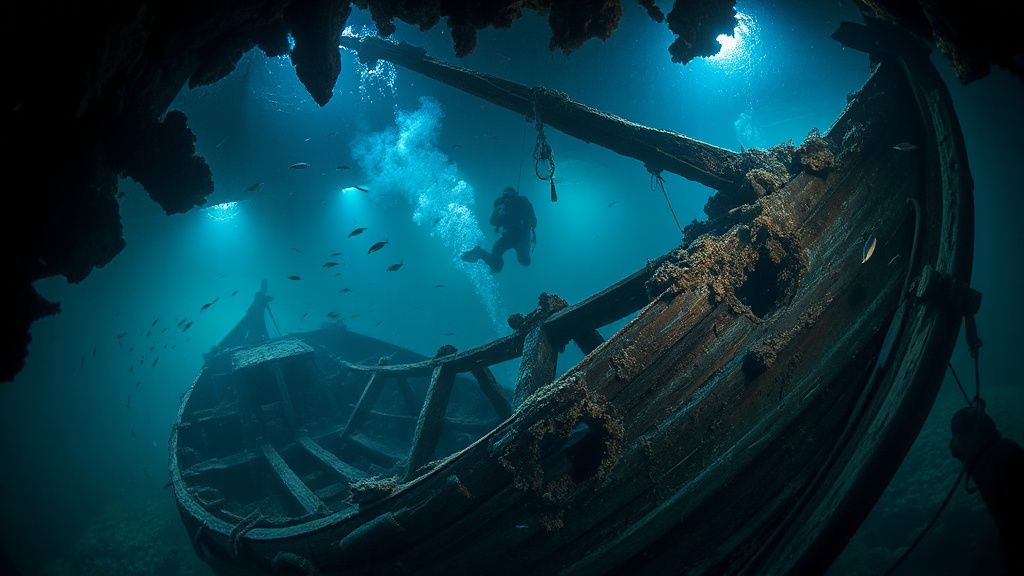
Shipwreck narratives transcend mere historical accounts. They function as potent semiotic systems. These stories embed deep cultural meanings. They reflect societal anxieties and aspirations. The very act of recounting a shipwreck carries symbolic weight. It often signifies loss, resilience, or the power of nature. Consequently, these narratives become crucial components of global cultural memory.
They shape how maritime heritage is perceived and preserved. This essay explores the intricate relationship between these submerged tales and collective consciousness. It examines how signs and symbols within these stories resonate across diverse cultures.The interpretation of shipwreck imagery is not uniform. Different cultures imbue salvaged artifacts and wreck sites with distinct meanings.
For some, they represent tragic loss. For others, they offer a window into past trade routes and technological prowess. Thus, the semiotics of shipwreck narratives are inherently fluid. They adapt to evolving cultural contexts and historical understanding. This dynamic interpretation underscores their enduring impact on collective memory.
It also highlights the challenges in establishing a universal framework for maritime heritage.
Global Cultural Memory and the Maritime Palimpsest
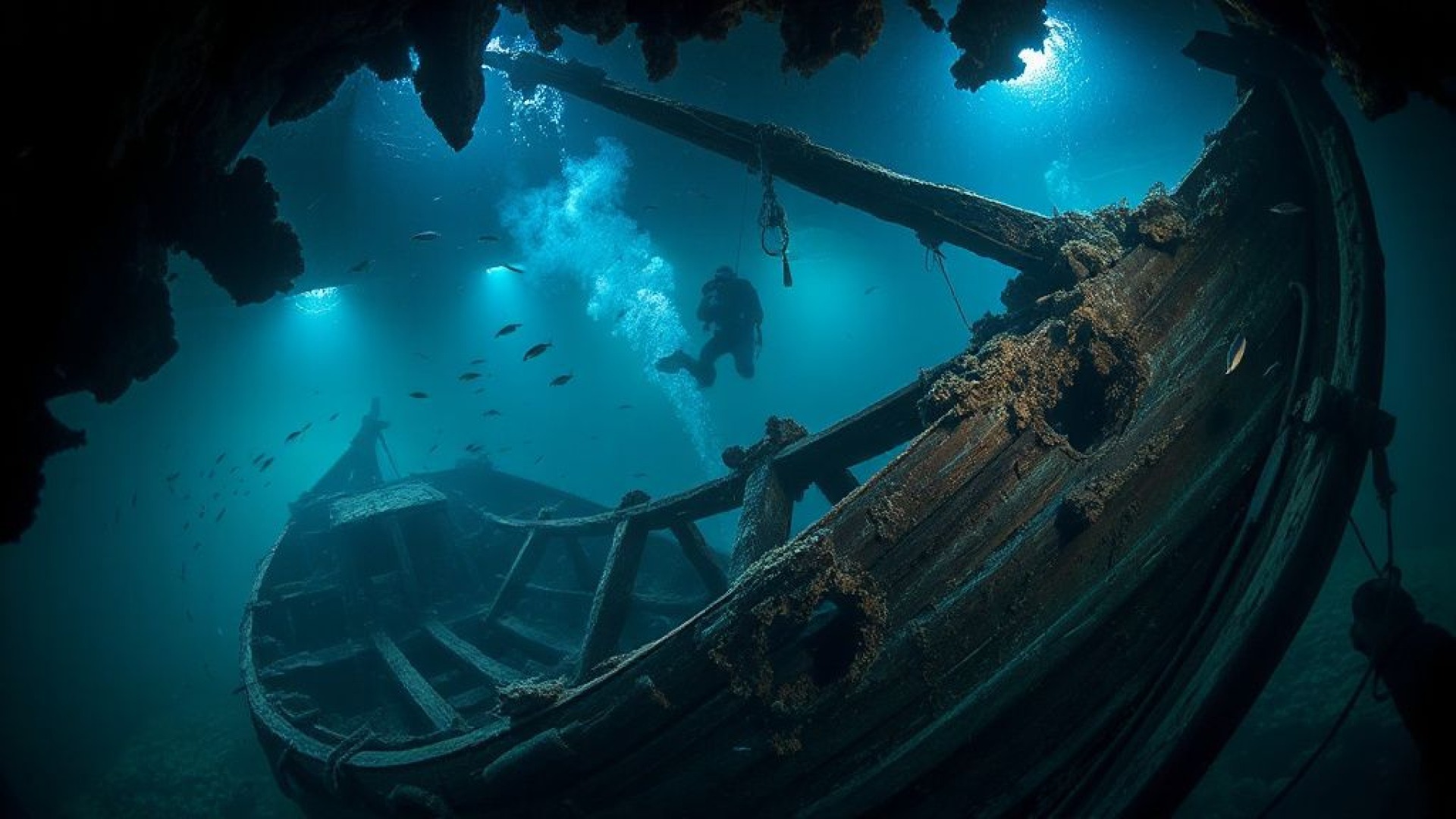
Maritime heritage, particularly shipwrecks, acts as a vast palimpsest. Layers of history and meaning are inscribed upon these submerged sites. Shipwreck narratives contribute significantly to this layered memory. They serve as anchors for collective recollection. The stories of lost vessels and their crews evoke powerful emotions.
These emotions forge strong connections to the past. They also influence present-day attitudes towards the sea and its history. Global cultural memory, therefore, is deeply intertwined with these sunken legacies. The preservation of wreck sites becomes more than an archaeological endeavor. It is an act of safeguarding shared narratives.The international community increasingly recognizes the value of these narratives.
Efforts to document and protect underwater cultural heritage are growing. However, disputes over salvage rights and national ownership complicate preservation. These conflicts often stem from differing interpretations of shipwreck significance. One nation might view a wreck as a military memorial. Another may see it as a commercial treasure trove.
Such divergent perspectives highlight the complex semiotics at play. They also underscore the critical need for collaborative approaches to maritime heritage management. This collaborative spirit is essential for honoring global cultural memory.
Investigative Angles: Official Video Coverage and Maritime Heritage
Official video coverage offers a unique lens into shipwreck narratives. These visual records often document recovery operations. They may also showcase archaeological surveys of wreck sites. Such footage provides tangible evidence. It allows for a more direct engagement with maritime history. The visual semiotics within these videos are particularly compelling.
They can convey the scale of a disaster. They can also highlight the fragility of submerged artifacts. Consequently, official coverage plays a crucial role in shaping public perception.However, the framing of such videos is critical. The narrative choices made by documentary filmmakers or official bodies can influence interpretation.
This influence directly impacts how shipwreck narratives contribute to global cultural memory. For instance, a focus on human tragedy versus technological marvels will yield different semiotic understandings. Therefore, a critical analysis of official video content is paramount. It helps to deconstruct the underlying messages. It also reveals how these narratives are constructed for public consumption.
This investigative approach ensures a more nuanced appreciation of maritime heritage.
Shipwreck Narratives: Semiotics and Global Cultural Memory in Maritime Heritage
Intelligence Executive Brief: Investigative dispatch examining the semiotic power of shipwreck narratives in shaping global cultural memory and the role of official video documentation in preserving maritime heritage.
- ✦ [UNESCO Convention on the Protection of the Underwater Cultural Heritage]: Verified statutory mandate to protect underwater cultural heritage, including shipwrecks, as a common heritage of humanity.
- ✦ [International Maritime Organization (IMO)]: Corroborated operational focus on maritime safety and environmental protection, indirectly influencing discussions on maritime heritage preservation and responsible exploration.
- ✦ [National Maritime Museums & Archives]: Documented archival policies and exhibition strategies that curate shipwreck narratives, influencing public understanding and collective memory.
⚖️ Editorial Assessment: Authoritative analysis of how submerged historical sites and their associated narratives contribute to a dynamic and contested global cultural memory, with implications for heritage management and international cooperation.
👉 Experience the visual edition: Watch the Web Story ⚡. Access verified research updates directly on zeudytech.com. Cross-reference technical records via Official Name of the Primary Governing Body or Multilateral Agency.