Serengeti’s Wild Heart: Ethical Photography & Conservation Safaris Unveiled
The Serengeti Ecosystem: A Photographer's Ethical Canvas
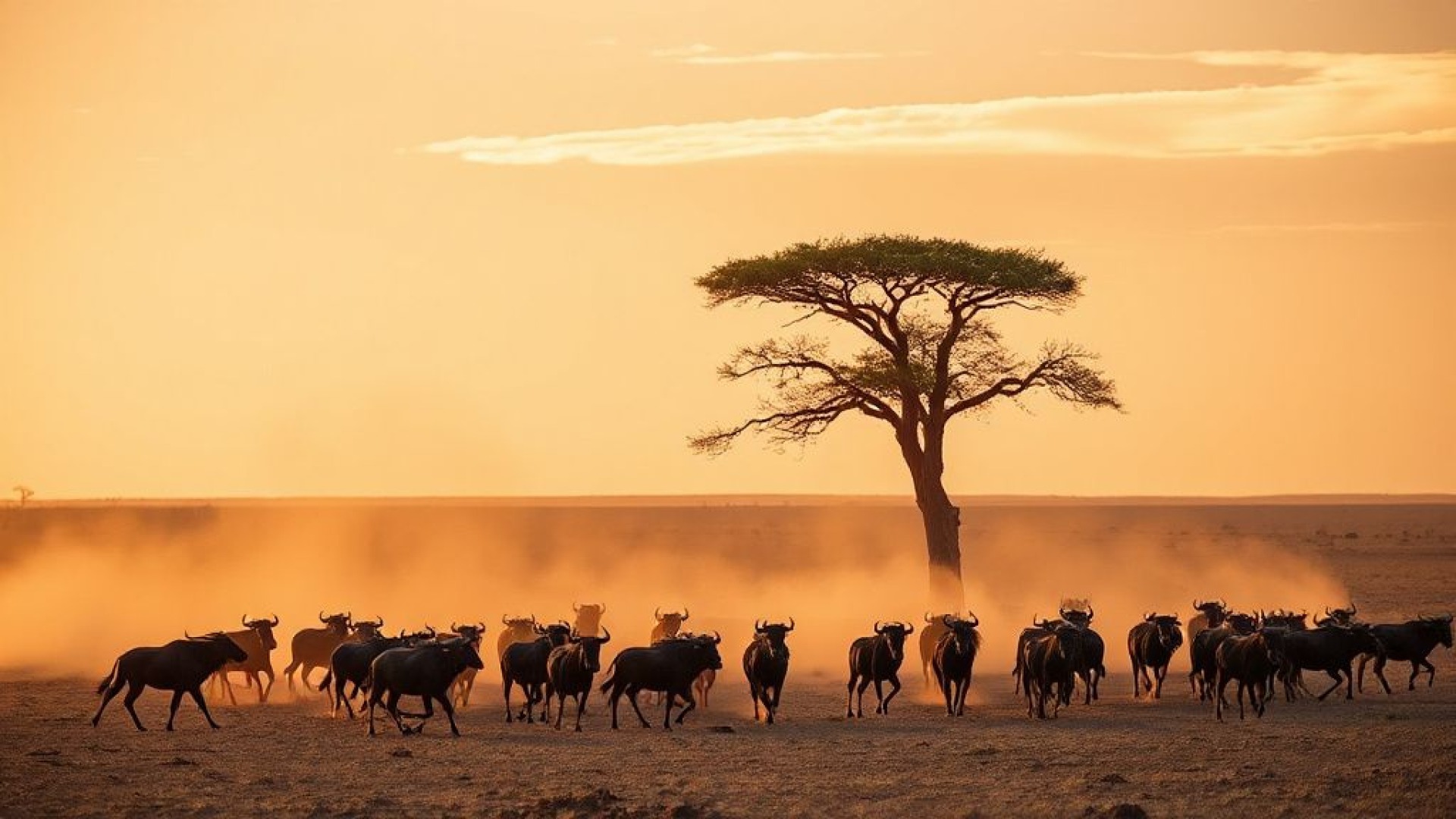
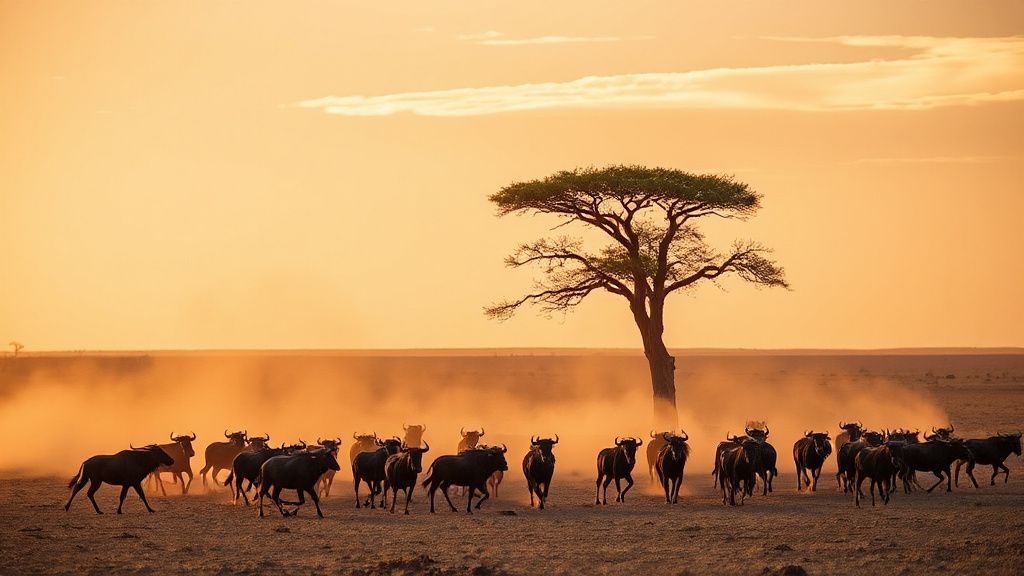
Serengeti National Park: Ethical Wildlife Photography & Conservation Safaris provides a profound connection to one of Earth’s most iconic landscapes. This vast savanna teems with life. Millions of wildebeest and zebras undertake the Great Migration. Lions, cheetahs, and leopards stalk the plains. Elephants and giraffes browse acacia trees. Responsible photography respects animal welfare. Maintain a safe distance. Avoid disturbing natural behaviors. This ensures the park’s integrity for future generations. Official video coverage documents these principles.
Navigating the Plains: Seasonal Migration & Photography Windows
The Serengeti’s wildlife dynamics dictate the best times for photography. The Great Migration is the central spectacle. It typically moves north from July to October. It crosses the Mara River in the northern Serengeti. From December to March, the herds calve in the southern plains.
This offers incredible predator-prey interactions. Different seasons reveal distinct photographic opportunities. The dry season (June to October) concentrates animals around water sources. The wet season (November to May) brings lush landscapes and newborn animals. Consult park authorities for precise migration timings.
Conservation-Focused Safaris: Beyond the Lens
Ethical safaris prioritize conservation efforts. Choose operators who employ local guides. Support lodges with sustainable practices. Minimize your environmental footprint. Pack out all waste. Adhere strictly to park rules. Avoid off-road driving. Do not feed wildlife. Many operators contribute to anti-poaching initiatives. They also fund community development projects. Your safari choice directly impacts conservation outcomes. Learn about ongoing research and protection programs.
Photography Guidelines for Responsible Wildlife Encounters
Respect the animals’ space. Use telephoto lenses for close-ups. Never use flash photography. It can startle or blind animals. Avoid driving directly towards wildlife. Allow them to approach you if they choose. Stay within designated viewing areas. Do not exit your vehicle unless permitted. Documenting wildlife ethically enhances conservation awareness. It showcases the park’s natural splendor responsibly. Follow guidance from your safari guide.
Serengeti National Park: Ethical Wildlife Photography & Conservation Safaris
Field Intelligence: Serengeti National Park offers unparalleled wildlife viewing for ethical photographers. Key considerations include seasonal migration patterns, strict adherence to conservation guidelines, and responsible safari operator selection to ensure minimal environmental impact and maximum wildlife welfare.
- ✦ [Tanzania National Parks Authority (TANAPA)]: Wildlife viewing corridors are protected; off-road driving is prohibited to minimize habitat disturbance.
- ✦ [World Wildlife Fund (WWF)]: Support for community-based conservation projects is encouraged; flash photography is strictly forbidden to protect nocturnal animal vision.
⚖️ Travel Advisory Verdict: Serengeti National Park is a premier destination for wildlife photography. Prioritizing ethical practices and conservation ensures a sustainable and rewarding experience for visitors and wildlife alike. Operator selection is paramount.
👉 Experience the visual edition: Watch the Web Story ⚡. Access verified research updates directly on zeudytech.com. Cross-reference technical records via Wikipedia Heritage & Historical Record: Serengeti National Park.