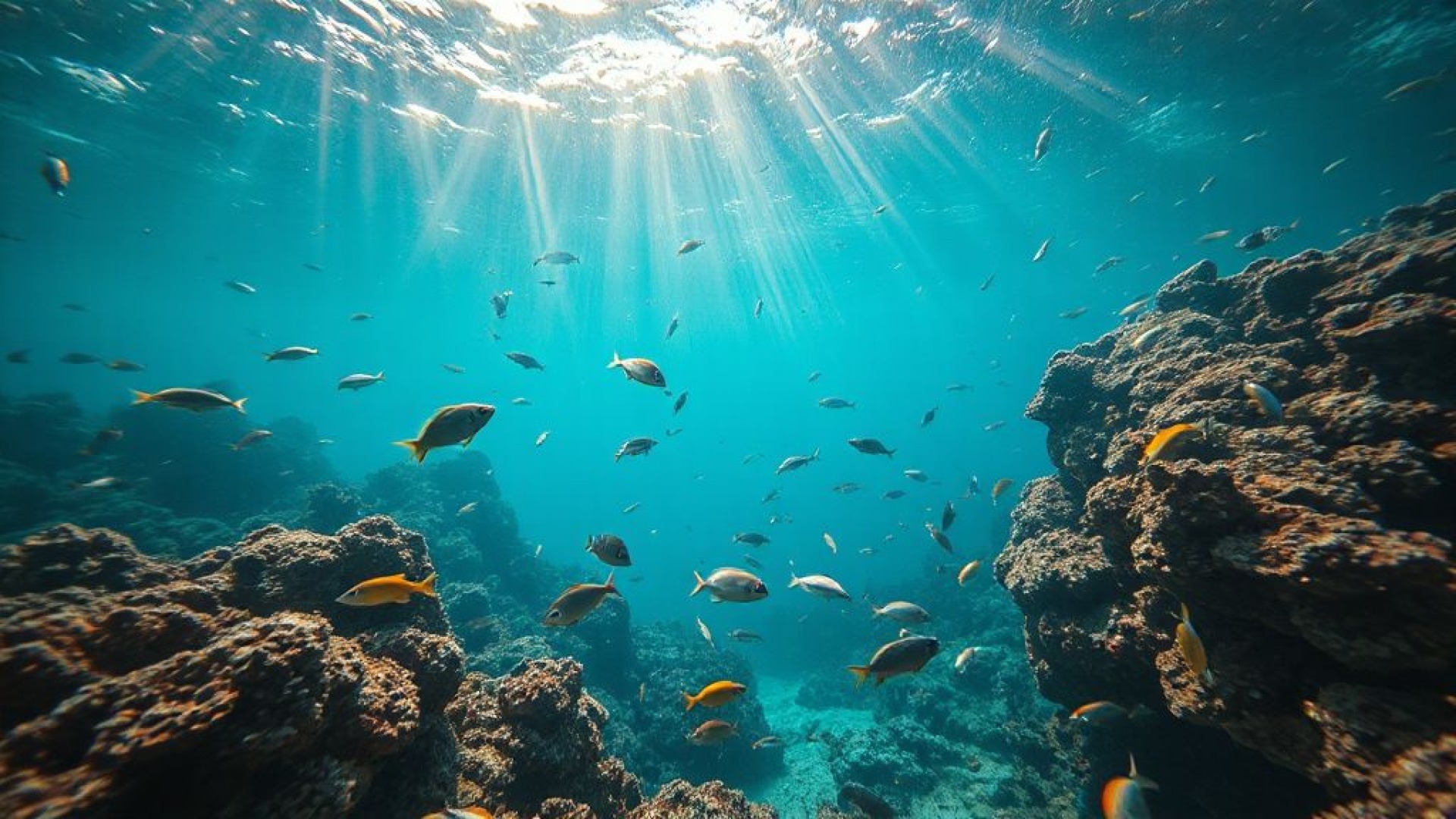
Great Barrier Reef Expeditions: Charting Coral Ecosystems for the Discerning Diver
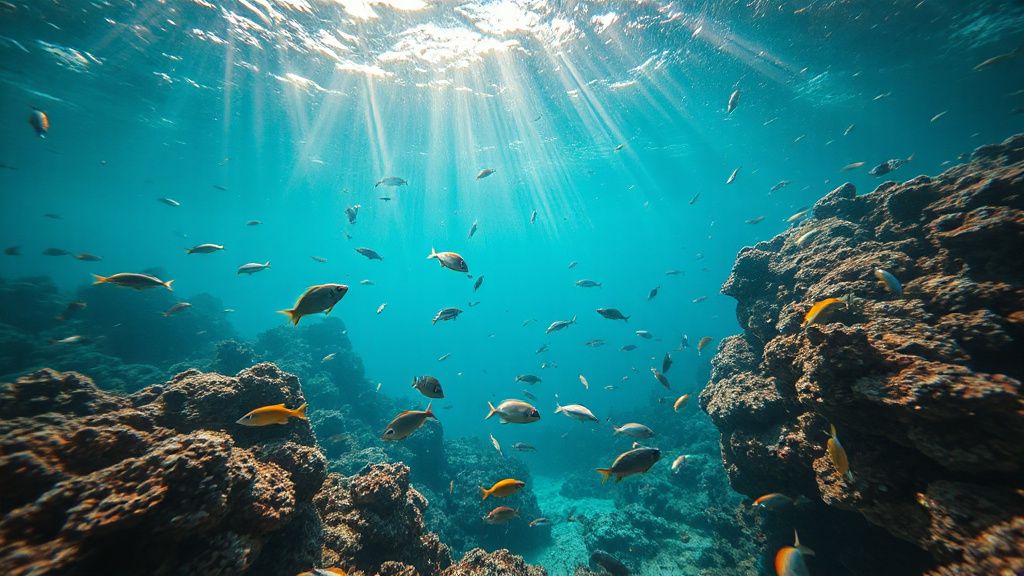
Navigating the World's Largest Living Structure
The Great Barrier Reef, a UNESCO World Heritage site, presents an unparalleled canvas for coral ecosystem exploration. This vast marine park stretches over 2,300 kilometers along the Queensland coast. Its intricate network of over 3,000 individual reefs teems with diverse marine biodiversity. Expedition planning focuses on specific reef systems and their unique ecological characteristics. Official video coverage highlights the reef’s scale and complexity.
Diving Expeditions: A Spectrum of Marine Encounters
Diving expeditions cater to various skill levels. Beginners can explore shallow fringing reefs. Experienced divers venture to outer reefs and deeper drop-offs. Key sites include the Ribbon Reefs for their vibrant coral gardens. Cod Hole offers encounters with large potato cod. Osprey Reef provides opportunities to see sharks and schooling pelagics. Each dive site presents distinct coral formations and resident species. Official video documentation captures these underwater spectacles.
Coral Ecosystems: Biodiversity Hotspots
The reef’s health relies on its complex coral ecosystems. Hard corals form the reef’s structure. Soft corals add vibrant color and movement. These habitats support over 1,500 fish species. They also shelter over 400 types of hard coral. Marine mammals, including dugongs and whales, also frequent these waters. Conservation efforts monitor coral bleaching events. These events impact ecosystem resilience. Official video coverage details these ecological dynamics.
Seasonal Planning and Logistical Considerations
- Dry Season (June – October): Offers calmer seas, lower humidity, and excellent visibility. This period is ideal for most diving activities. It aligns with peak whale migration.
- Wet Season (November – May): Higher humidity and rainfall are common. Visibility can be reduced. This season may experience marine stinger presence. Some operators adjust schedules.
Permits and booking confirmations are essential. Liveaboard expeditions offer extended access to remote reef sections. Day trips from Cairns and Port Douglas are popular options. Transportation logistics involve flights to regional airports followed by boat transfers.
Great Barrier Reef: Coral Ecosystems & Diving Expeditions
Field Intelligence: The Great Barrier Reef offers world-class diving and snorkeling opportunities. Its extensive coral ecosystems support immense marine biodiversity. Expedition planning requires consideration of seasonal conditions and specific reef sites.
- ✦ [Great Barrier Reef Marine Park Authority]: Operational permits are required for all commercial and recreational activities. Strict adherence to environmental protection guidelines is mandatory.
- ✦ [Tourism Queensland]: Verified peak visibility typically occurs during the dry season (June-October). Marine stinger season (November-May) requires specific safety protocols.
⚖️ Travel Advisory Verdict: The Great Barrier Reef remains a premier global destination for marine exploration. Its ecological significance and diving potential are immense. Responsible tourism practices are paramount for its preservation.
👉 Experience the visual edition: Watch the Web Story ⚡. Access verified research updates directly on zeudytech.com. Cross-reference technical records via Great Barrier Reef Marine Park Authority.