Cambodia’s Waterways Under Pressure: Earth System Geochemistry Reveals Anthropogenic Forcing of its Hydrological Cycle

The Mekong's Pulse: Ancient Waters, Modern Strains
The intricate dance of Cambodia’s hydrological cycle, a system shaped over millennia by monsoon rains and the mighty Mekong River, now faces unprecedented challenges. Earth system geochemistry reveals how human activities, both historical and contemporary, exert significant anthropogenic forcing upon these vital water resources. Understanding these dynamics is crucial for preserving Cambodia’s unique cultural heritage and ecological future.
This analysis examines the geochemical signatures left by human influence.For centuries, Khmer civilization flourished, intricately linked to the ebb and flow of its rivers and lakes. Early agricultural practices, while profound, operated within natural limits. Yet, the advent of modern infrastructure and increased resource demands has amplified human impact.
Consequently, the geochemical composition of water bodies provides a stark record of this evolving relationship. At its core, this investigation scrutinizes the evidence embedded within the very chemistry of Cambodia’s aquatic environments.
Geochemical Signatures of Anthropogenic Forcing
Specific isotopic ratios and trace element concentrations within Cambodia’s rivers and Tonle Sap Lake serve as indisputable markers of human intervention. These geochemical fingerprints tell a story of altered sediment transport, nutrient loading, and changes in water chemistry. Because of these shifts, scientists can now trace the sources and extent of pollution and resource depletion.
This scientific lens offers a vital perspective on the health of the ecosystem.Analyzing dissolved organic carbon (DOC) levels, for instance, reveals patterns associated with agricultural runoff and wastewater discharge. Beyond that, elevated concentrations of heavy metals like lead and cadmium point to industrial activities and historical mining operations.
To illustrate this, sediment cores from the Tonle Sap Lake exhibit distinct layers corresponding to periods of intensified land use and urbanization. Thus, these geochemical proxies offer a tangible link between human actions and environmental consequences.The following table summarizes key geochemical indicators and their anthropogenic associations:
| Geochemical Indicator | Anthropogenic Source/Impact | Observed Trend in Cambodia |
|---|---|---|
| Dissolved Organic Carbon (DOC) | Agricultural runoff, wastewater discharge | Increasing trend observed in major river systems |
| Nitrate (NO3-) and Phosphate (PO4³⁻) | Fertilizer use, sewage effluent | Elevated levels in areas surrounding urban centers and agricultural plains |
| Heavy Metals (e.g., Pb, Cd) | Industrial effluent, historical mining, e-waste | Localized hotspots detected, particularly near former industrial zones |
| Stable Isotopes (e.g., δ¹⁸O, δ²H) | Changes in evaporation rates, water source alteration | Indications of increased evaporation and potential shifts in water sourcing patterns |
More importantly, these data are not merely academic curiosities; they represent direct evidence of human pressure on a delicate environmental balance. At the same time, the nuances of these geochemical signals require careful interpretation within the broader context of natural variability.
Historical Context: Water Management and Civilization
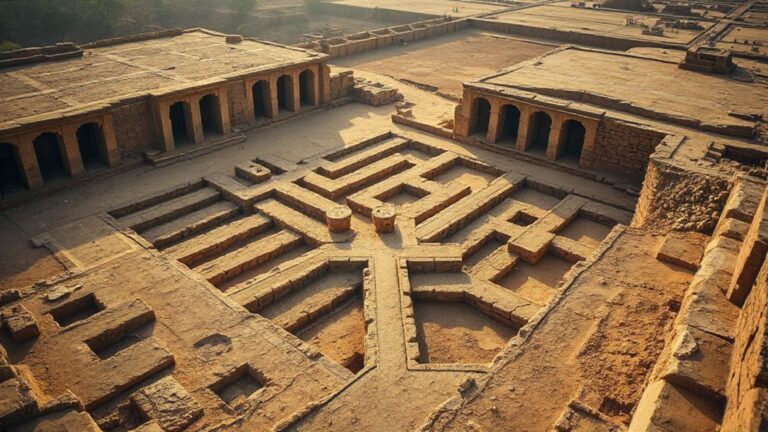
The history of Khmer civilization is inextricably bound to sophisticated water management systems. Ancient engineers of the Angkorian period masterfully harnessed the Mekong’s floodwaters. Consequently, this creates vast reservoirs and intricate canal networks that supported a thriving empire. These systems, while impressive, operated in relative harmony with the natural hydrological cycle.
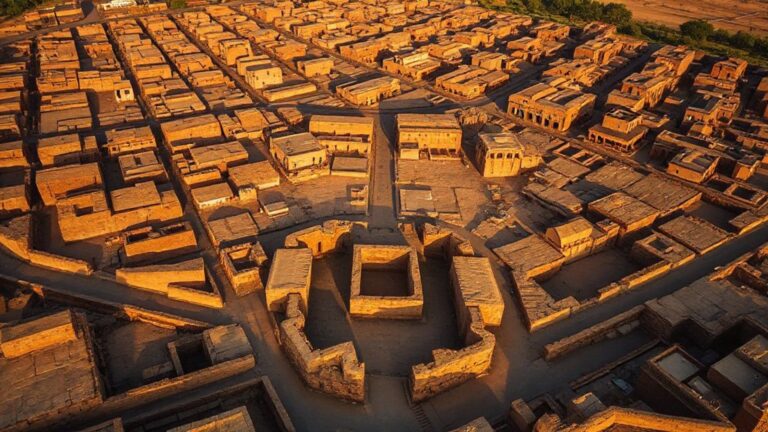
Yet, their legacy also underscores the profound dependence of Cambodian society on water resources.Conversely, the modern era has witnessed a different scale of intervention. Large-scale dam construction upstream on the Mekong, deforestation, and rapid urbanization have fundamentally altered the river’s flow regime and sediment load.
Because of these changes, the natural processes that once sustained the Tonle Sap’s unique ecosystem are now under severe strain. Still, historical records and archaeological findings provide context for understanding the long-term trajectory of human-environment interactions.Key historical elements influencing Cambodia’s water resources include:
- Angkorian Water Management: Extensive barays and canals demonstrating advanced hydrological engineering.
- Colonial Era Development: Introduction of new agricultural techniques and infrastructure projects.
- Post-Khmer Rouge Reconstruction: Efforts to rebuild agricultural capacity, often with significant resource input.
- Modern Infrastructure Projects: Large-scale dams, irrigation schemes, and urban expansion.
Specifically, analyzing the evolution of these water management strategies highlights a shift from co-existence with nature to significant manipulation.
At its core, this historical perspective informs our understanding of current anthropogenic forcing.
Future Trajectories: Conservation and Sustainability
The insights gleaned from Earth system geochemistry offer a critical roadmap for Cambodia’s future. Anthropogenic forcing of the hydrological cycle demands proactive conservation and sustainable resource management. Consequently, safeguarding these vital water resources is paramount for both ecological integrity and the livelihoods of millions. At the same time, international cooperation plays a pivotal role in addressing transboundary water issues.Implementing stricter environmental regulations, promoting sustainable agricultural practices, and investing in advanced water treatment technologies are essential steps.
At the same time, continued scientific monitoring and research are indispensable for tracking changes and adapting management strategies. Because of this ongoing effort, Cambodia can strive to balance development with environmental stewardship. Thus, the geochemical record serves not only as a diagnostic tool but also as a powerful motivator for change.
Earth System Geochemistry: Anthropogenic Forcing of Cambodias Hydrological Cycle
Epistemological Assessment: This synthesis examines the geochemical evidence of human impact on Cambodia's water systems, linking historical land use and modern development to alterations in river and lake chemistry.
- ✦ Isotopic Analysis of Water Bodies
- ✦ Trace Element Profiling in Sediments
- ✦ Historical Hydrological Engineering Practices
🔬 Scholarly Verdict: Compelling evidence demonstrates significant anthropogenic forcing on Cambodia's hydrological cycle, necessitating urgent sustainable management strategies.
👉 Experience the visual edition: Watch the Web Story ⚡. Access verified research updates directly on zeudytech.com. Cross-reference technical records via Global Scientific & Historical Research Repository.