The Pocket Revolution: How the Mobile Phone Reshaped Our World
From Bricks to Brilliance: The Mobile Phone's Evolutionary Leap
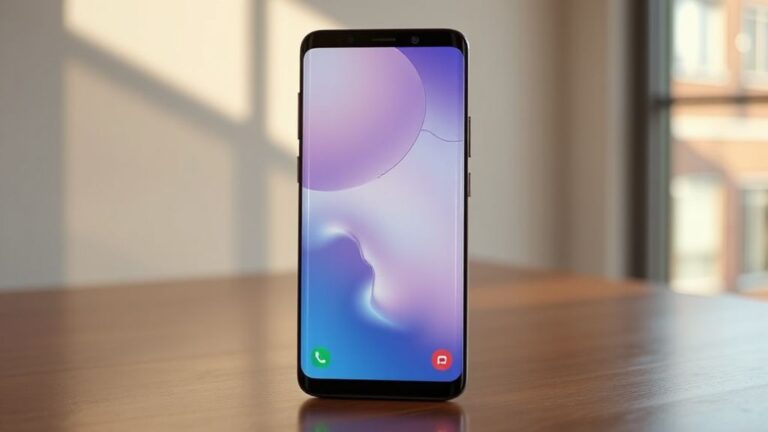
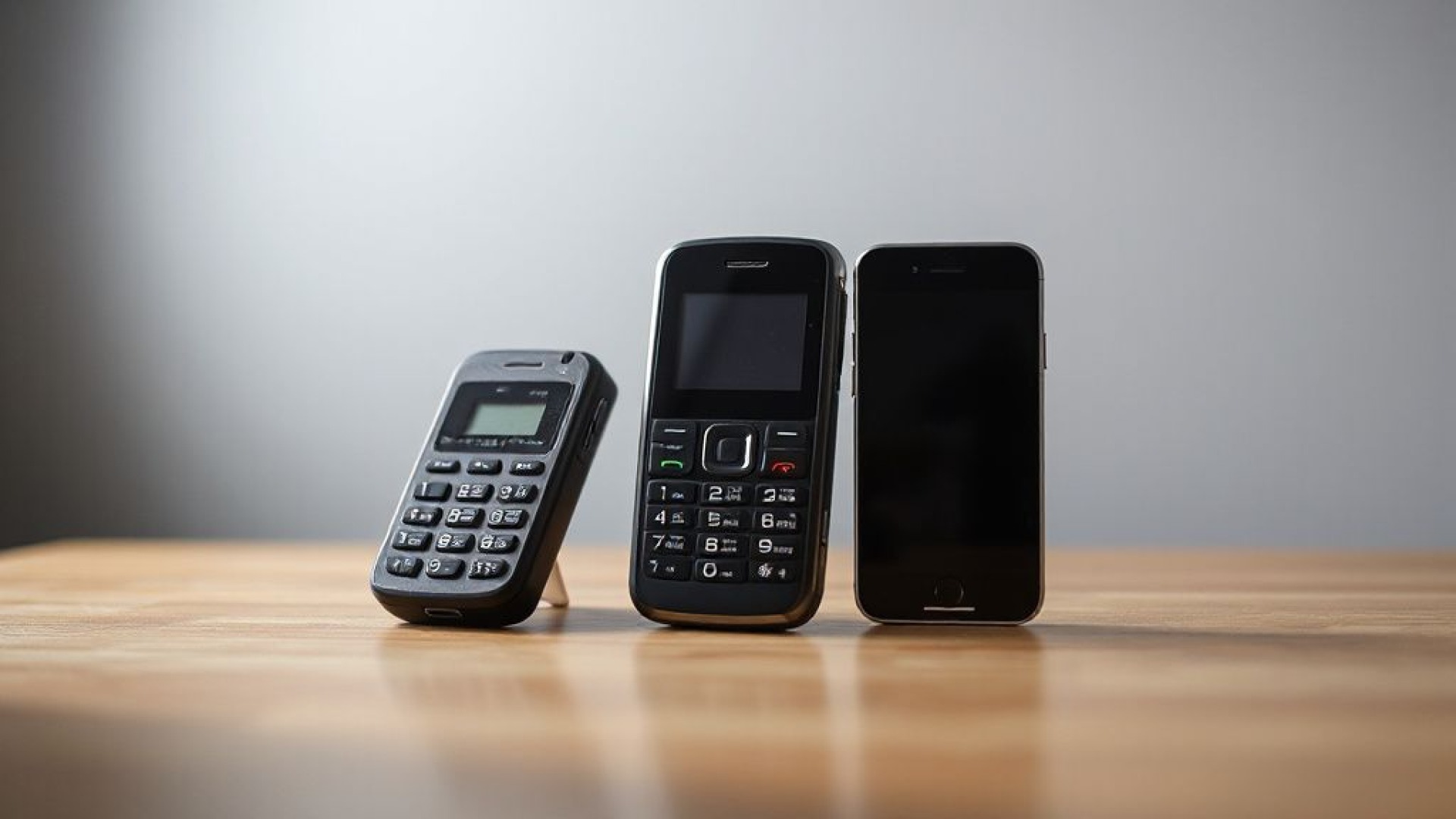
The mobile phone, a device now ubiquitous in nearly every pocket, represents a monumental leap in human connectivity. Initially a cumbersome and expensive luxury, its evolution has been nothing short of astonishing. Early models, often referred to as ‘bricks’, offered limited functionality, primarily voice calls. However, these pioneers laid the groundwork for the sophisticated smartphones we rely on today.
Furthermore, the transition was driven by relentless innovation. Indeed, the miniaturization of technology and advancements in battery life were necessary. As a result, devices became smaller, more powerful, and more accessible. This transformation wasn’t just about hardware; it was also about the software and services that began to emerge. Consequently, the mobile phone started to morph into a portable computer.
Ultimately, its influence has permeated every facet of modern life.
The Mobile Phone: More Than Just a Communication Tool
The impact of the mobile phone extends far beyond simple communication. It has fundamentally altered how we access information, conduct business, and interact with the world. Consider the instant access to news, educational resources, and entertainment. Furthermore, e-commerce and mobile banking have become commonplace, transforming economies. This digital integration offers unprecedented convenience.
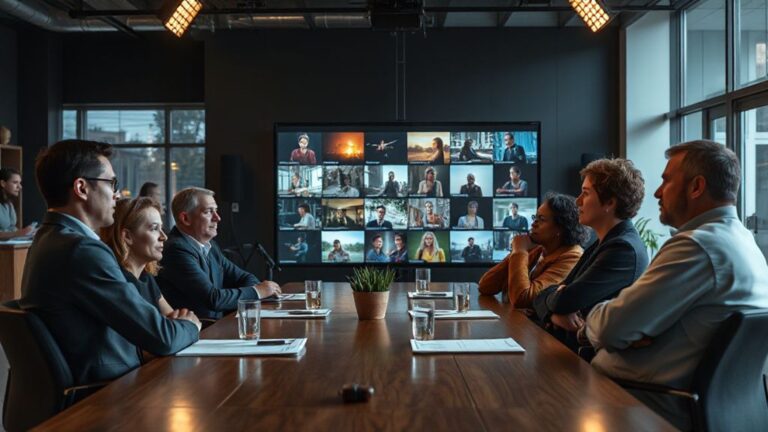
Moreover, social media platforms, largely accessed via mobile devices, have reshaped interpersonal relationships and public discourse. The ability to share experiences in real-time connects people across vast distances. However, this constant connectivity also presents challenges. In contrast, the line between our digital and physical lives has become increasingly blurred. Therefore, understanding this nuanced relationship is essential.
Key Milestones and Specifications in Mobile Phone History
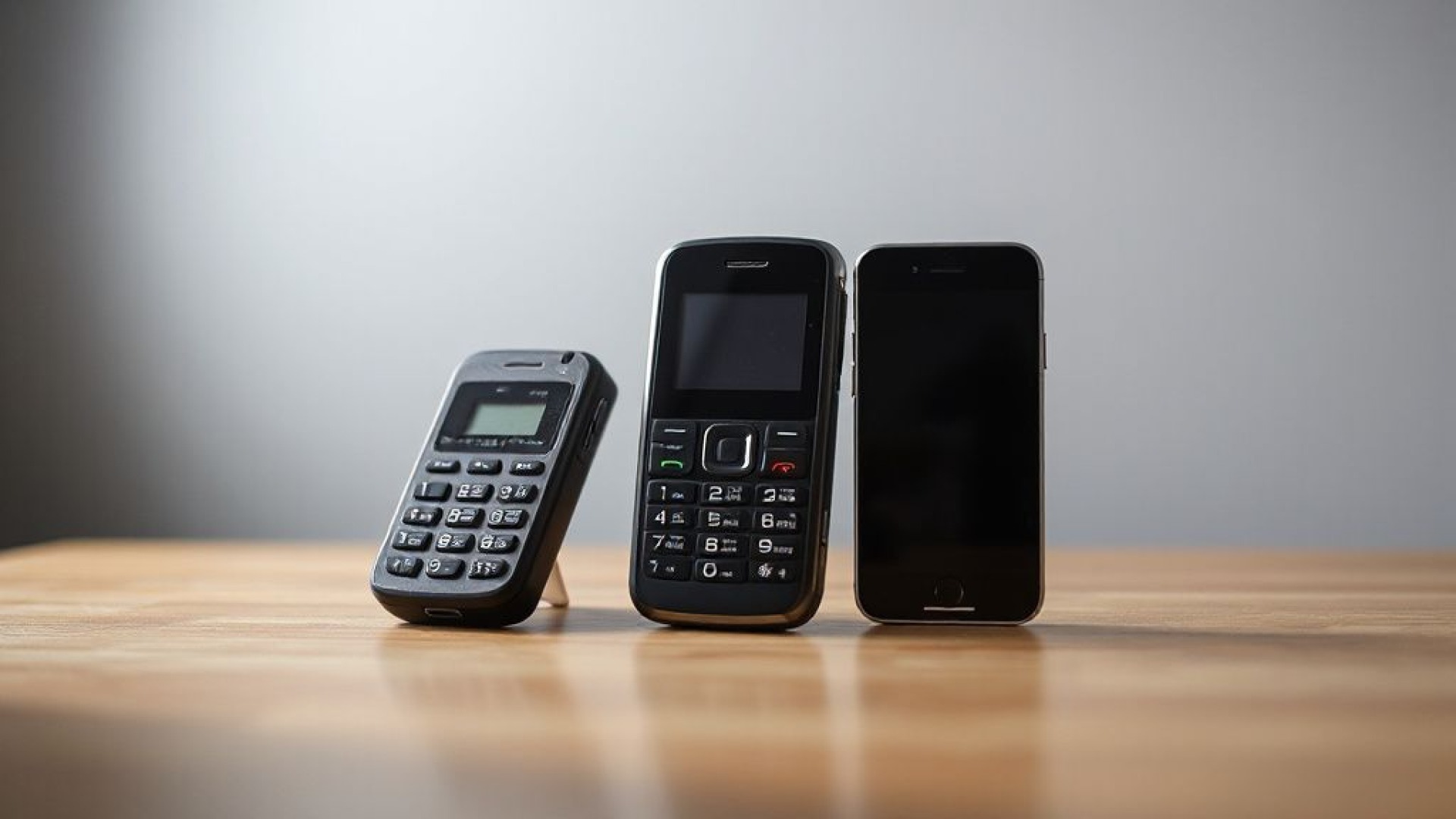
The journey of the mobile phone is marked by significant technological advancements and product releases. Each iteration brought new capabilities and redefined user expectations. Early devices focused on portability and call quality. Subsequently, features like SMS messaging were introduced, broadening communication avenues. The advent of the internet on mobile devices was a true game-changer.
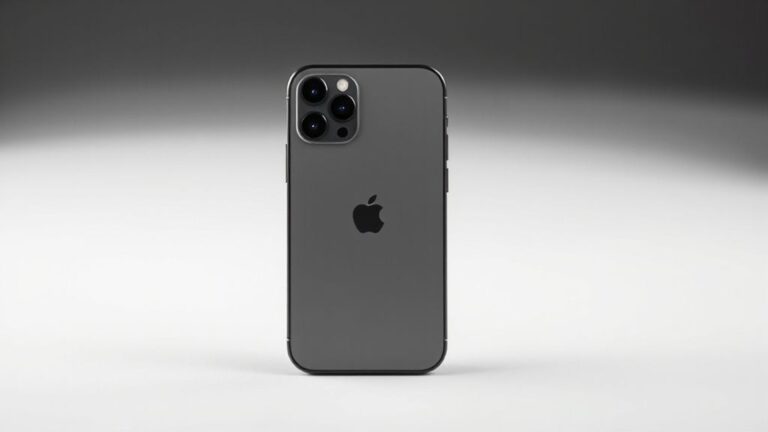
Specifically, the introduction of the smartphone era, spearheaded by devices like the iPhone and Android counterparts, revolutionized the industry. These devices offered touchscreens, app stores, and advanced multimedia capabilities. Furthermore, processing power and camera technology have seen exponential growth. As a result, the mobile phone is now a primary tool for photography and content creation.
The following table highlights some key specifications that illustrate this progress:
| Era | Key Device Example | Typical Screen Size | Primary Connectivity | Key Innovation |
|---|---|---|---|---|
| Early Mobile (1980s-1990s) | Motorola DynaTAC 8000x | N/A (Monochrome LCD) | Analog Cellular | Voice Calls, Portability |
| Feature Phone (Late 1990s-Early 2000s) | Nokia 3310 | ~1.5 inches (Monochrome) | 2G GSM | SMS, Snake game, Durability |
| Early Smartphone (Mid-2000s) | BlackBerry Curve | ~2.5 inches (Color) | 2G/3G | Email, QWERTY keyboard |
| Modern Smartphone (Late 2000s-Present) | Apple iPhone 15 Pro | ~6.1 inches (OLED) | 5G, Wi-Fi 6E | High-res cameras, AI, App ecosystem |
Therefore, looking at these specifications reveals the rapid pace of innovation. Ultimately, the mobile phone’s journey is a demonstration to human ingenuity.
The Future of the Mobile Phone: Beyond the Screen
The evolution of the mobile phone is far from over. Emerging technologies promise to further integrate these devices into our lives in even more profound ways. We are already seeing advancements in foldable screens and augmented reality capabilities. Furthermore, the increasing sophistication of artificial intelligence will enable more personalized and predictive user experiences.
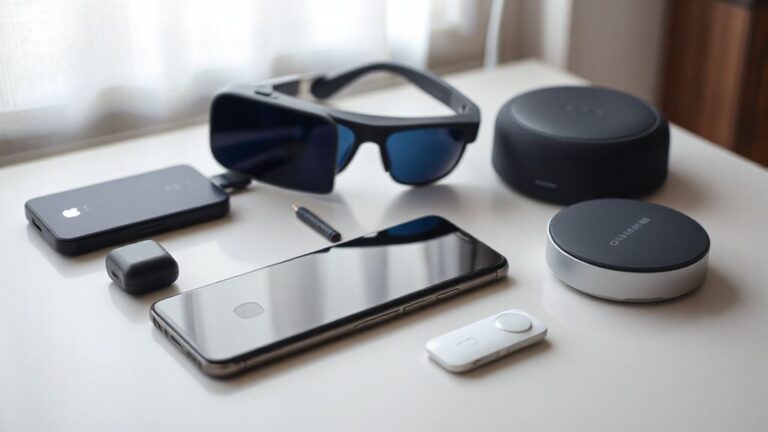
Consequently, our devices will become even more intuitive. Moreover, advancements in battery technology and sustainable materials are also critical areas of development. As a result, future mobile phones may offer longer usage times and a reduced environmental footprint. The integration with wearable technology and the Internet of Things (IoT) will also deepen.
Ultimately, the mobile phone is poised to remain at the center of our digital existence, constantly reinventing itself.
👉 Access verified research updates and ongoing coverage directly on zeudytech.com. Cross-reference verified technical records via GSMArena.