Goat Farming for Beginners: Essential Tips to Avoid Common Pitfalls
Understanding the Fundamentals of Goat Farming for Beginners
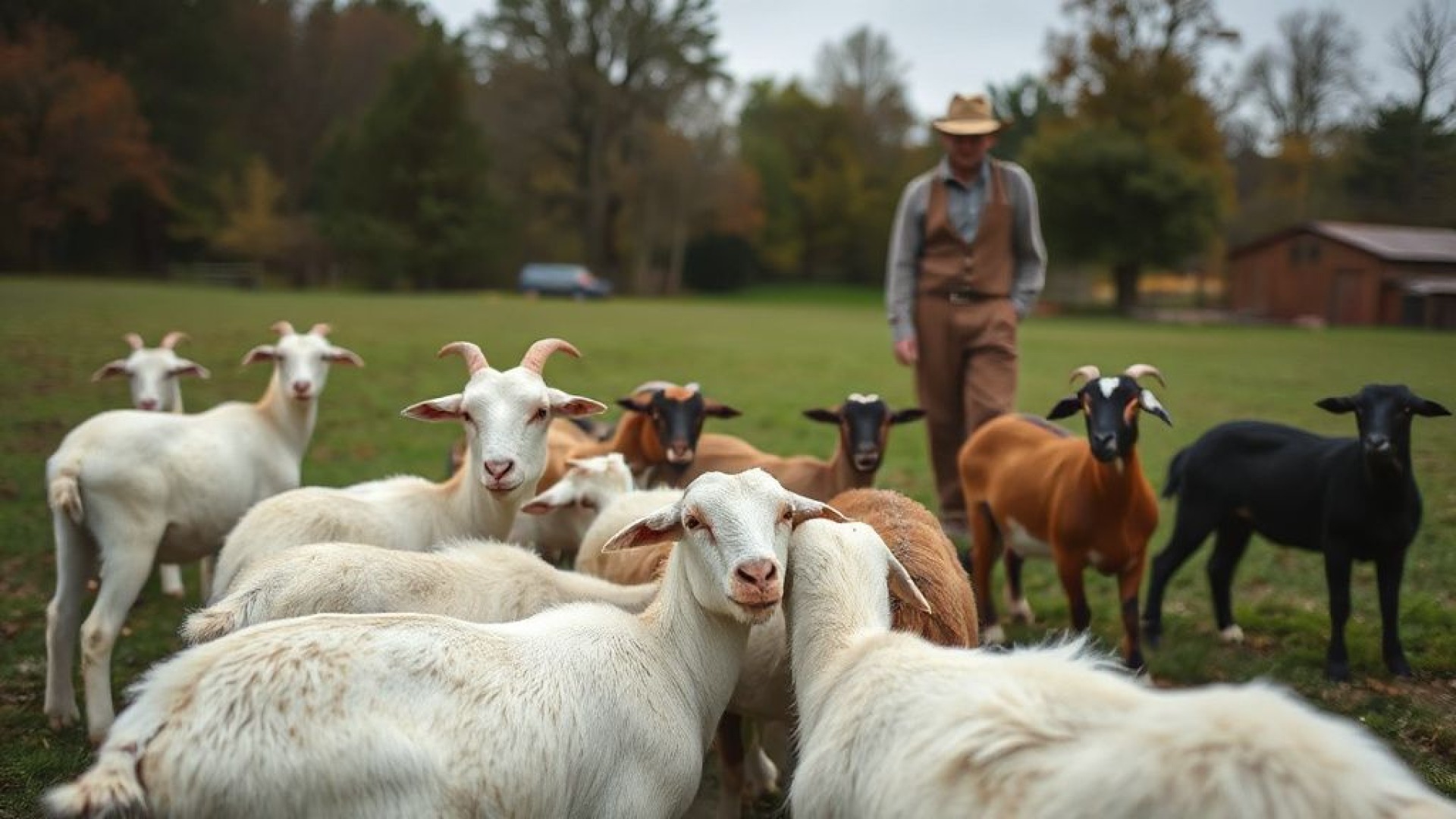
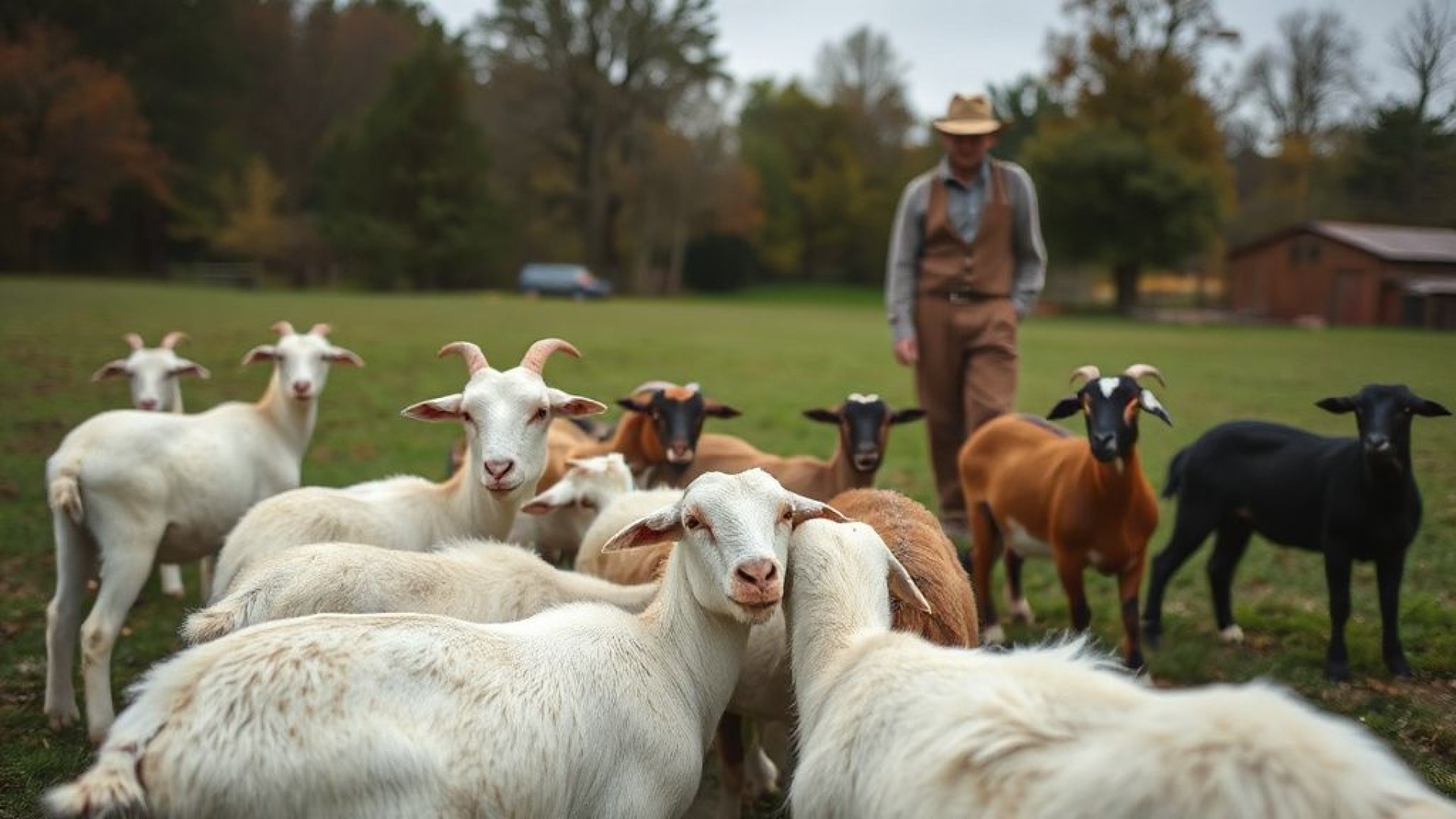
Embarking on the journey of goat farming beginners requires a solid foundation of knowledge. It’s not merely about acquiring goats; it’s about understanding their specific needs and behaviors. Indeed, goats are curious and intelligent animals. However, they also possess a strong herd instinct, meaning they thrive in social groups. Consequently, housing a single goat is generally not recommended.
Furthermore, proper fencing is paramount. Goats are notorious escape artists, and inadequate containment can lead to lost animals and potential conflicts with neighbors. Therefore, investing in sturdy, well-maintained fencing is a non-negotiable first step. Ultimately, a successful start hinges on meticulous planning and a genuine commitment to animal welfare. This initial phase sets the stage for all future endeavors in your goat husbandry.
Essential Considerations for New Goat Farmers
For goat farming beginners, several key elements demand careful attention. Primarily, selecting the right breed is necessary. Different breeds are suited for various purposes, such as milk production, meat, or fiber. For instance, Alpine goats are renowned for their high milk yield, while Boer goats are favored for meat production.
Therefore, research your local market and personal goals before making a choice. In addition, understanding their dietary requirements is essential. Goats are browsers, meaning they prefer to eat leaves, twigs, and shrubs over grass. Consequently, a balanced diet should include good quality hay, supplemented with grains and minerals as needed.
Moreover, access to clean, fresh water at all times is indispensable for their health and well-being. The following are some critical dietary components:
- Forage: Primarily fresh pasture or high-quality hay (alfalfa, clover, or grass).
- Concentrates: Grains like oats or corn, fed in moderation to provide energy.
- Minerals: A specialized goat mineral supplement is essential to prevent deficiencies.
- Water: Always provide access to clean, fresh water.
Finally, regular veterinary care and a proactive approach to parasite control are indispensable for preventing common diseases.
Housing and Health Management for Your Herd
Adequate shelter is a cornerstone of responsible goat farming for beginners. Goats require protection from harsh weather conditions, including extreme heat, cold, rain, and wind. Therefore, a well-ventilated, dry shelter with sufficient space for each animal is essential. It should also offer protection from predators. Furthermore, maintaining a clean living environment significantly reduces the risk of diseases.
Regular mucking out of stalls and pens is a necessary part of herd management. In addition, understanding common goat ailments is important. These can include internal parasites, external parasites like mites and lice, and various bacterial or viral infections. Consequently, establishing a relationship with a veterinarian experienced in livestock care is highly recommended.
They can provide guidance on vaccination schedules, deworming protocols, and diagnosing and treating illnesses. Ultimately, a proactive approach to health, coupled with appropriate housing, ensures a thriving and productive herd.
Navigating the Legal and Financial Aspects of Goat Farming
Beyond the day-to-day care, goat farming beginners must also consider the legal and financial ramifications. Zoning laws and local ordinances can dictate the number of animals you can keep and where you can house them. Therefore, it’s imperative to research these regulations before acquiring your first goat. Obtaining the necessary permits or licenses might also be required.
Financially, starting a goat farm involves initial investment costs for animals, housing, fencing, and equipment. Ongoing expenses include feed, veterinary care, and potential marketing costs if you plan to sell products. Specifically, initial setup costs can vary widely. For example:
| Item | Estimated Cost (USD) |
|---|---|
| Breeding Stock (per goat) | $100 – $300 |
| Fencing (per linear foot) | $5 – $20 |
| Basic Shelter | $500 – $2000 |
| Feed (annual per goat) | $150 – $300 |
| Veterinary Care (annual per goat) | $50 – $150 |
Consequently, developing a comprehensive business plan and budget is necessary for financial sustainability. Exploring potential revenue streams, such as selling milk, cheese, meat, or breeding stock, can help offset costs. Ultimately, a clear understanding of both the operational and financial demands will contribute significantly to the long-term success of your goat farming endeavor.
👉 Access verified research updates and ongoing coverage directly on zeudytech.com. Cross-reference verified technical records via American Livestock Breeds Conservancy.