500 Chickens Strong: The Art of Crafting Perfect Farm Feed
Why Precision Matters: The Foundation of Healthy Flocks
For any farmer managing a flock of 500 chickens, understanding how to properly mix feed is paramount. It’s not merely about filling troughs; it’s about providing balanced nutrition that fuels growth, ensures good health, and maximizes egg production. Consequently, a well-formulated feed directly impacts the profitability and sustainability of your farm.
Inadequate nutrition can lead to stunted growth, increased susceptibility to diseases, and poor laying performance. Therefore, investing time in learning the science behind feed formulation is necessary. This detailed guide will walk you through the essential components and processes. Furthermore, the specific needs of your chickens will vary based on their age, breed, and purpose (e.g., layers, broilers).
However, the fundamental principles of creating a balanced diet remain consistent. As a result, a thoughtful approach to feed mixing will pay dividends in the long run. This process requires careful consideration of various ingredients and their nutritional contributions. Ultimately, mastering this skill is a hallmark of successful, responsible poultry farming.
Essential Ingredients for Your 500-Chicken Feed Mix
To effectively mix feed for 500 chickens, you’ll need a variety of core ingredients. These components provide the necessary carbohydrates, proteins, fats, vitamins, and minerals. First and foremost, grains form the energy base of the diet. These typically include corn, wheat, and barley. In addition, protein sources are essential for growth and feather development. Soybean meal is a common and highly effective protein supplement. Other protein options can include fish meal or meat and bone meal, though these require careful sourcing. Moreover, essential vitamins and minerals must be incorporated. These are often provided through a commercial vitamin-mineral premix, which simplifies the process significantly. Calcium, particularly for laying hens, is critical and can be supplemented with oyster shell or limestone. Finally, a source of fat, such as vegetable oil or animal fat, can add energy density to the feed. Therefore, sourcing high-quality ingredients is as important as the mixing process itself. Here are the key ingredient categories and their roles:
- Carbohydrates (Energy): Primarily from grains like corn, wheat, and barley. They provide the energy chickens need for daily activities and growth.
- Proteins (Growth & Repair): Essential for muscle development, feather production, and immune function. Soybean meal is a primary source.
- Vitamins (Metabolism & Health): necessary for numerous bodily functions, immune response, and disease prevention. Often supplied via premixes.
- Minerals (Skeletal Health & Production): Including calcium for eggshells and phosphorus for bone development. Oyster shell is a key calcium source for layers.
- Fats (Energy Density): Provide concentrated energy and aid in the absorption of fat-soluble vitamins.
Calculating Ratios and Mastering the Mixing Process
Calculating the correct ratios is arguably the most critical step when you mix feed for 500 chickens. The exact percentages will depend on the age and type of chicken. For instance, starter feeds for young chicks will have higher protein content than grower or layer feeds. A typical layer feed might consist of roughly 60-70% grains, 20-25% protein meals, 5-10% vitamin-mineral premixes, and a small percentage of calcium and other additives.
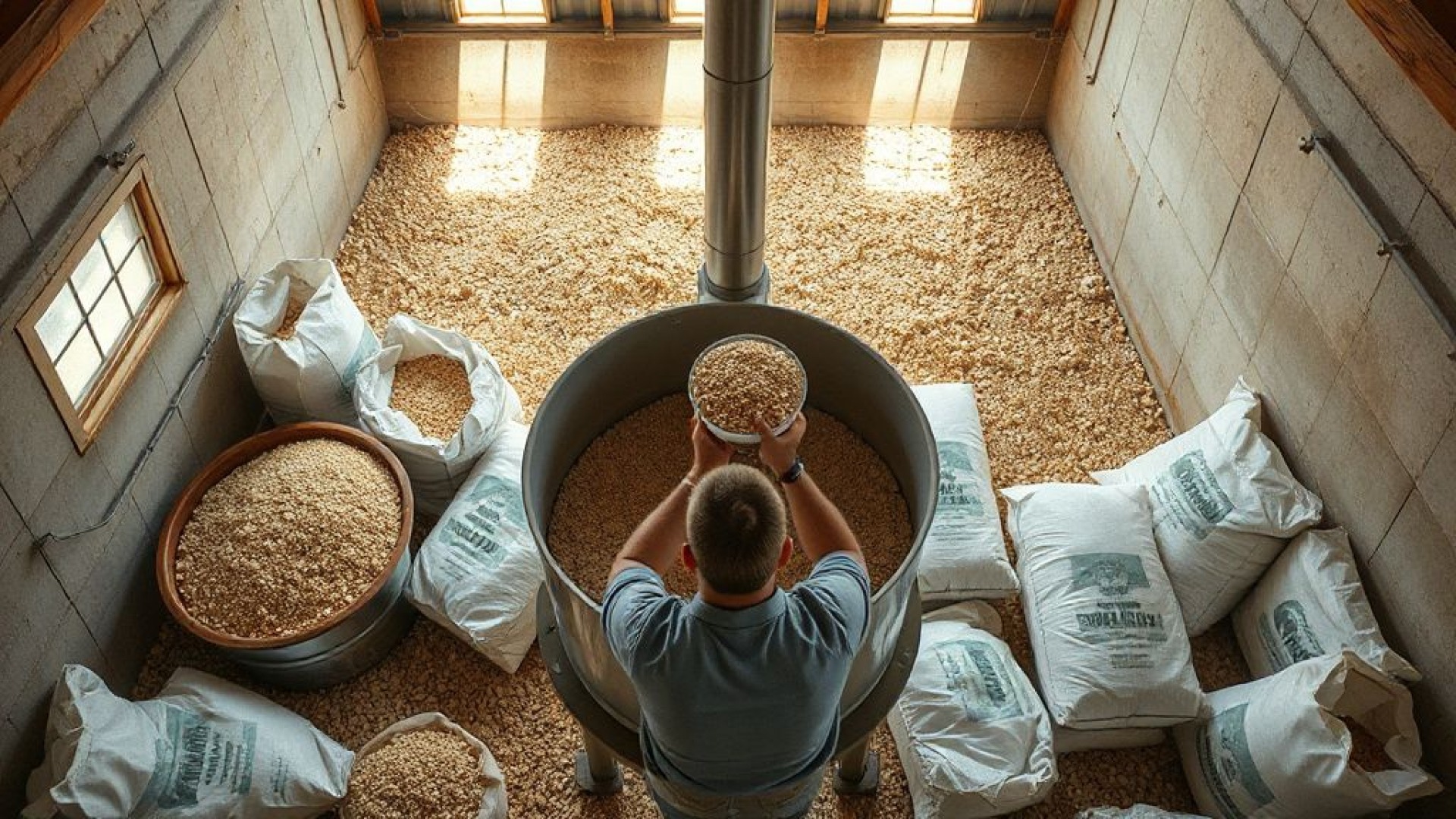
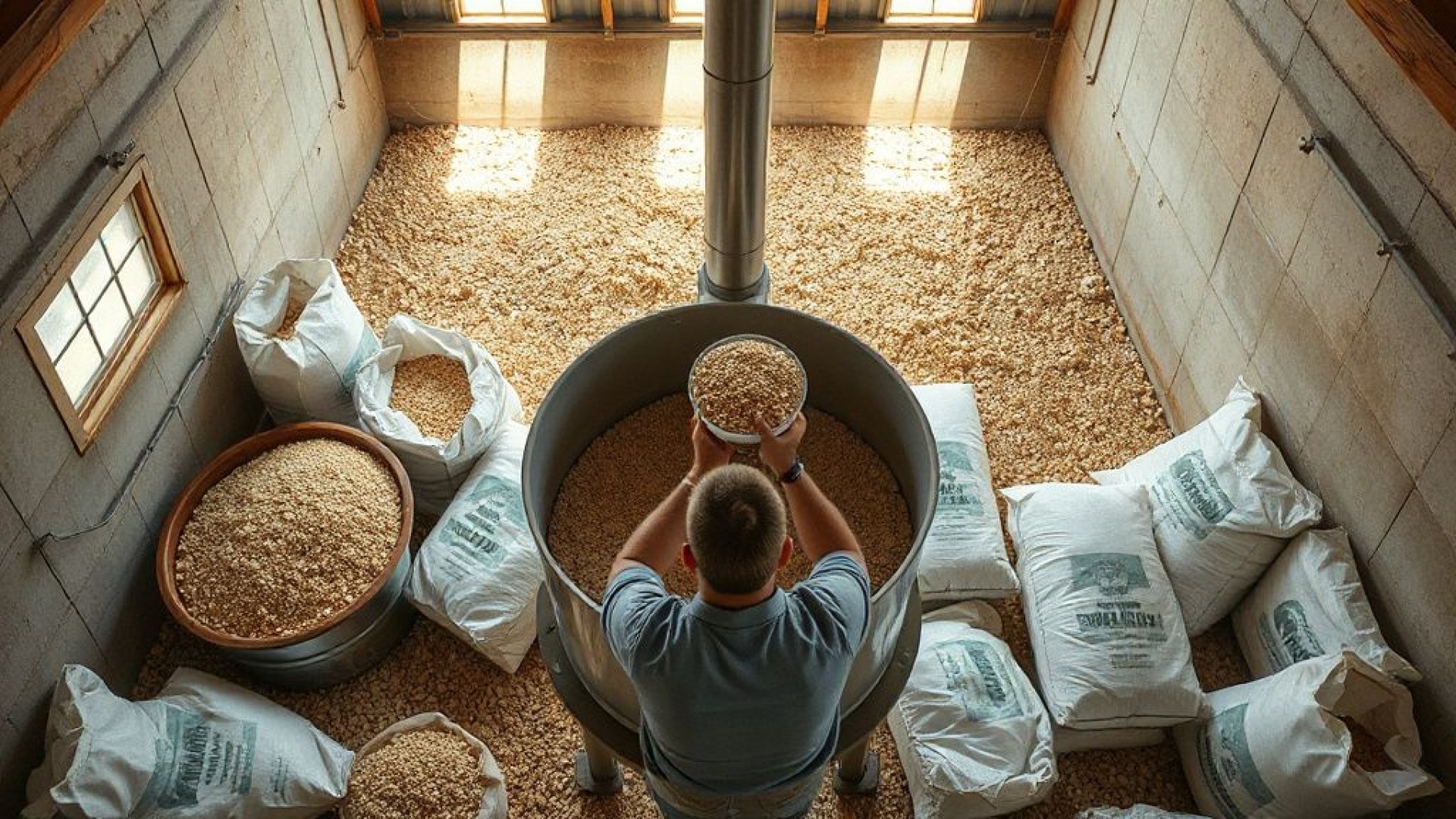
However, consulting specific feed formulation guides or a poultry nutritionist is highly recommended for precise figures. Furthermore, the mixing process itself demands attention to detail. A clean, dry mixing area is essential to prevent contamination. For 500 birds, you will likely need a large-capacity mixer, such as a horizontal or vertical mixer.
Begin by adding the heavier ingredients, like grains, first. Then, gradually add the finer ingredients, such as protein meals and vitamin-mineral premixes. Thorough mixing is essential to ensure that every bite of feed is nutritionally balanced. Consequently, incomplete mixing can lead to uneven nutrient distribution, with some birds receiving too much of certain nutrients and others too little.
Here’s a general guideline for the mixing order:
- Step 1: Base Grains: Add your primary grains (e.g., corn, wheat) to the mixer.
- Step 2: Protein Sources: Incorporate soybean meal or other protein supplements.
- Step 3: Vitamin/Mineral Premix: Carefully add the premix, ensuring it’s evenly distributed.
- Step 4: Calcium & Other Additives: Add oyster shell, limestone, or other specific supplements.
- Step 5: Fats (Optional): If using liquid fat, it’s often sprayed on during the final stages of mixing.
- Step 6: Thorough Mixing: Run the mixer until all ingredients are uniformly combined.
This can take several minutes depending on the mixer type and batch size.
Ultimately, consistency in your mixing technique will lead to predictable and healthy flock performance. Therefore, establishing a routine and adhering to your calculated ratios is key to success.
Storage, Quality Control, and Continuous Improvement
Once you mix feed for 500 chickens, proper storage is necessary to maintain its quality and nutritional value. Feed should be stored in a cool, dry, and well-ventilated area, away from pests and moisture. Using airtight containers or silos helps prevent spoilage and contamination. Furthermore, it’s important to practice a ‘first-in, first-out’ inventory system to ensure older feed is used before newer batches.
This minimizes the risk of feeding stale or degraded nutrients to your flock. Moreover, regular quality control checks are indispensable. This includes visually inspecting the feed for mold or foreign materials and monitoring your chickens for any adverse reactions. If you notice a decline in egg production, poor feather quality, or increased illness, your feed mix might need adjustment.
Consequently, keeping detailed records of your feed ingredients, mixing ratios, and flock performance is invaluable for identifying trends and making necessary improvements. Therefore, continuous learning and adaptation are hallmarks of a progressive farmer. Key considerations for storage and quality:
- Storage Environment: Cool, dry, and well-ventilated. Avoid direct sunlight and humidity.
- Pest Control: Ensure storage areas are rodent- and insect-proof.
- Inventory Management: Implement a ‘first-in, first-out’ system.
- Visual Inspection: Regularly check feed for mold, clumping, or foreign objects.
- Record Keeping: Maintain logs of ingredients, batch dates, and flock health.
- Adaptation: Be prepared to adjust ratios based on flock performance and seasonal changes.
Ultimately, a proactive approach to feed management, encompassing careful mixing, proper storage, and vigilant quality control, will ensure your 500 chickens thrive.
👉 Access verified research updates and ongoing coverage directly on zeudytech.com. Cross-reference verified technical records via FAO Poultry Production.