Bhutan’s Eastern Himalayas: Unveiling Monastic Serenity and Mindfulness Sanctuaries
Navigating Bhutans Eastern Himalayas: A Gateway to Tradition
Bhutans Eastern Himalayas: Monastic Traditions and Mindfulness Retreats centers on regions like Trashigang and Pemagatshel. These areas offer deep dives into Bhutan’s spiritual heart. Access often involves flights to Yonphula Airport (YUP) near Trashigang. Road travel connects these eastern districts. The landscape features steep valleys and high passes.
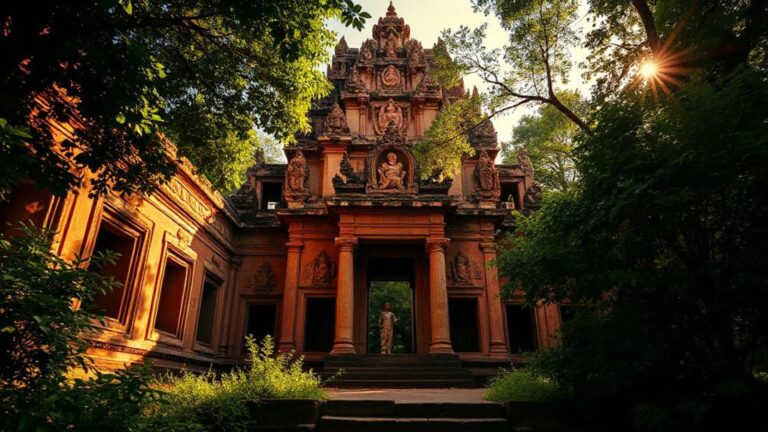
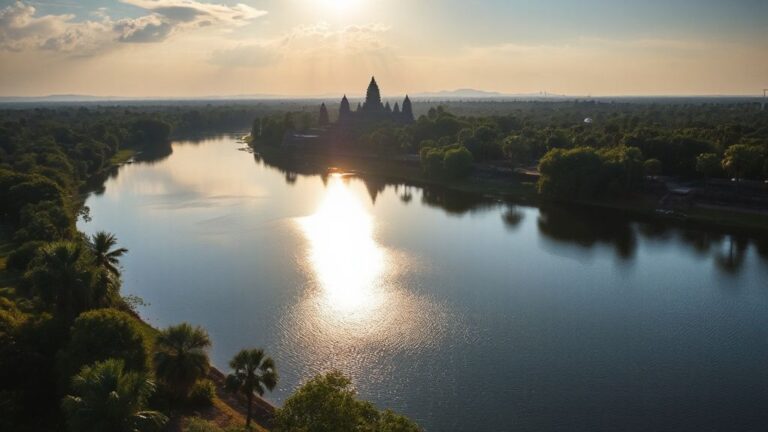
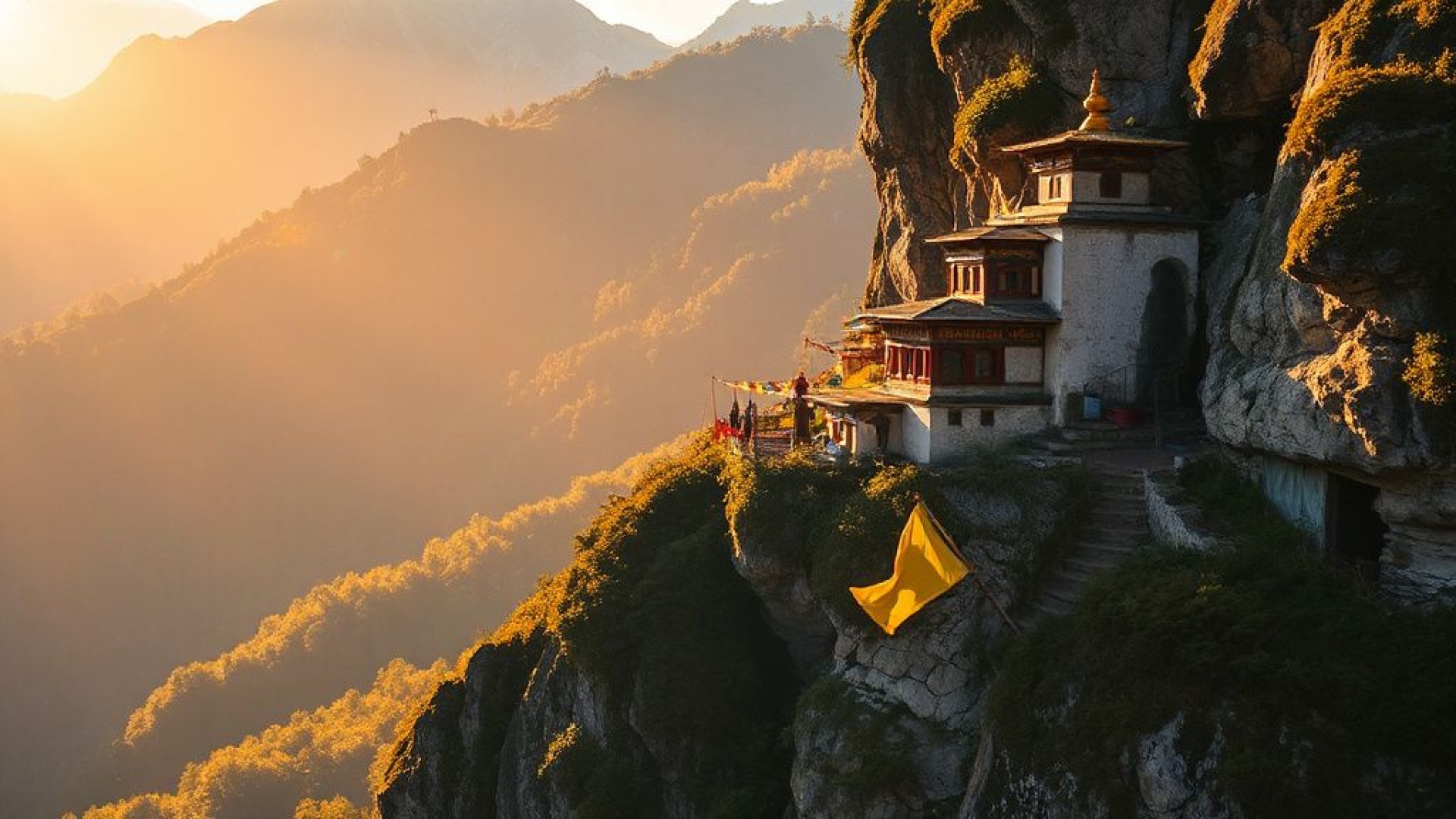
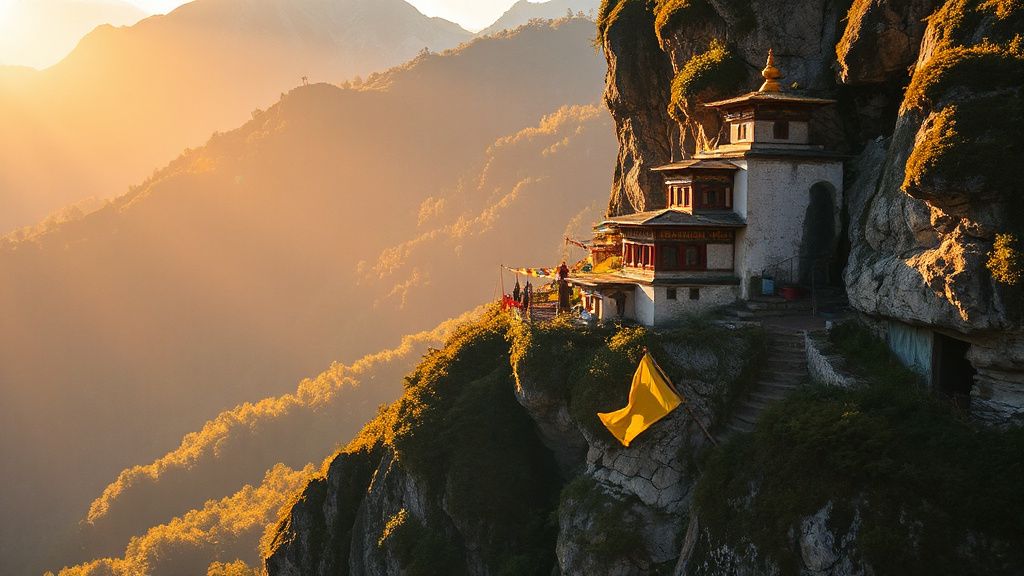
Monasteries cling to cliffsides. Traditional Bhutanese architecture dominates villages. This region remains less frequented by mass tourism. It preserves a more authentic cultural experience. Infrastructure is developing but remains basic in remote areas. Expect winding mountain roads.
Monastic Traditions: Living Heritage
The Eastern Himalayas are home to numerous ancient monasteries. Trashigang Dzong stands as a prominent example. It serves as a fortress and monastic center. Gomkhoras in Trashiyangtse provide insight into tantric practices. These monastic sites are active spiritual hubs. Monks dedicate their lives to study and meditation.
Visitors can observe daily rituals. Respectful attire is mandatory. Photography may be restricted inside sacred spaces. Understanding local customs enhances the experience. These traditions have shaped Bhutanese identity for centuries. Their preservation is a national priority.
Mindfulness Retreats: Cultivating Inner Peace
Several centers in the Eastern Himalayas offer mindfulness retreats. These programs draw inspiration from Buddhist philosophy. They focus on meditation, yoga, and contemplative practices. Retreats often occur in serene, natural settings. Participants engage in silent reflection. They learn techniques for stress reduction. The environment supports introspection. These retreats are not luxury resorts. They emphasize simplicity and spiritual growth. Booking in advance is essential. Some centers cater to international visitors. Others are primarily for local practitioners.
Seasonal Considerations and Travel Logistics
| Season | Temperature Range (°C) | Precipitation | Key Considerations |
|---|---|---|---|
| Spring (Mar-May) | 10-20 | Light rain, occasional showers | Clear skies, blooming flora, good for trekking. |
| Summer (Jun-Aug) | 18-25 | Monsoon rains, high humidity | Lush greenery, but travel can be disrupted by heavy rain. |
| Autumn (Sep-Nov) | 8-18 | Dry, clear skies | Ideal for trekking and cultural festivals. Best visibility. |
| Winter (Dec-Feb) | -5-10 | Snow at higher altitudes, dry at lower | Cold, but excellent for clear views and fewer crowds. Some passes may close. |
Sustainable Exploration: Respecting the Sacred
Travel in Bhutans Eastern Himalayas: Monastic Traditions and Mindfulness Retreats requires mindful engagement. Bhutan mandates a high-value, low-impact tourism policy. Visitors must book through a licensed tour operator. A daily sustainable development fee applies. Respect local customs and religious sites. Dress modestly when visiting monasteries.
Avoid loud behavior. Minimize waste and plastic usage. Support local businesses and artisans. The Gross National Happiness philosophy guides conservation efforts. Responsible tourism ensures the preservation of this unique culture and environment.
Bhutans Eastern Himalayas: Monastic Traditions and Mindfulness Retreats
Field Intelligence: Exploration of Bhutans Eastern Himalayas focuses on Trashigang and Pemagatshel districts, emphasizing their rich monastic heritage and opportunities for mindfulness retreats. Logistics involve flights to Yonphula Airport or overland travel via challenging mountain roads. The region offers profound cultural immersion for the discerning traveler.
- ✦ [Tourism Council of Bhutan]: All tourists must book through a licensed Bhutanese tour operator and pay a daily Sustainable Development Fee (SDF).
- ✦ [Department of Culture, Ministry of Home and Cultural Affairs]: Strict dress codes and respectful conduct are mandated when visiting religious sites and monasteries.
⚖️ Travel Advisory Verdict: An authentic journey into Bhutan's spiritual heartland, demanding respect for tradition and environment. Suitable for culturally sensitive travelers seeking profound experiences.
👉 Experience the visual edition: Watch the Web Story ⚡. Access verified research updates directly on zeudytech.com. Cross-reference technical records via Tourism Council of Bhutan.