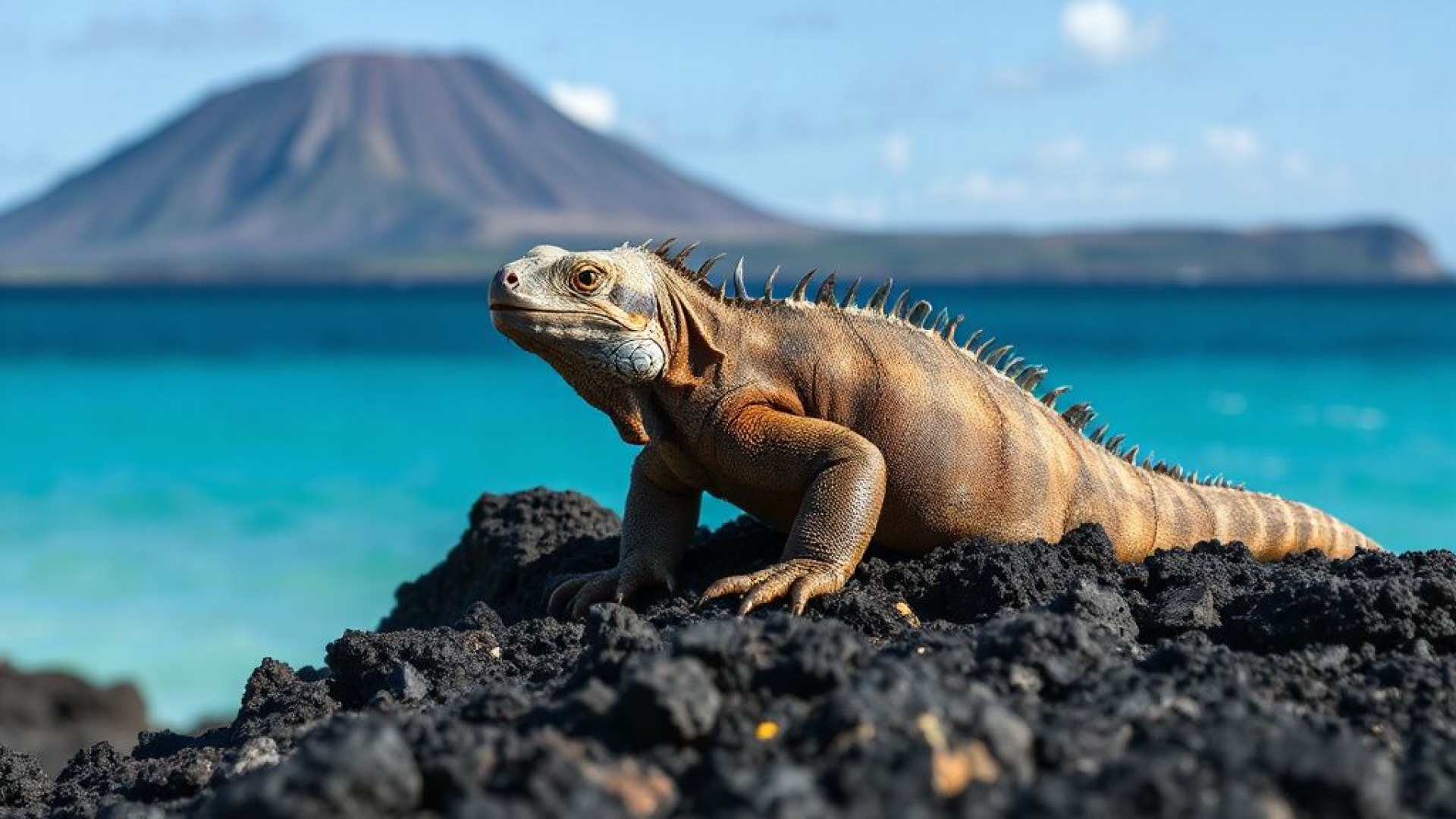
Galapagos Islands: Unveiling Volcanic Wonders and Unrivaled Wildlife Encounters
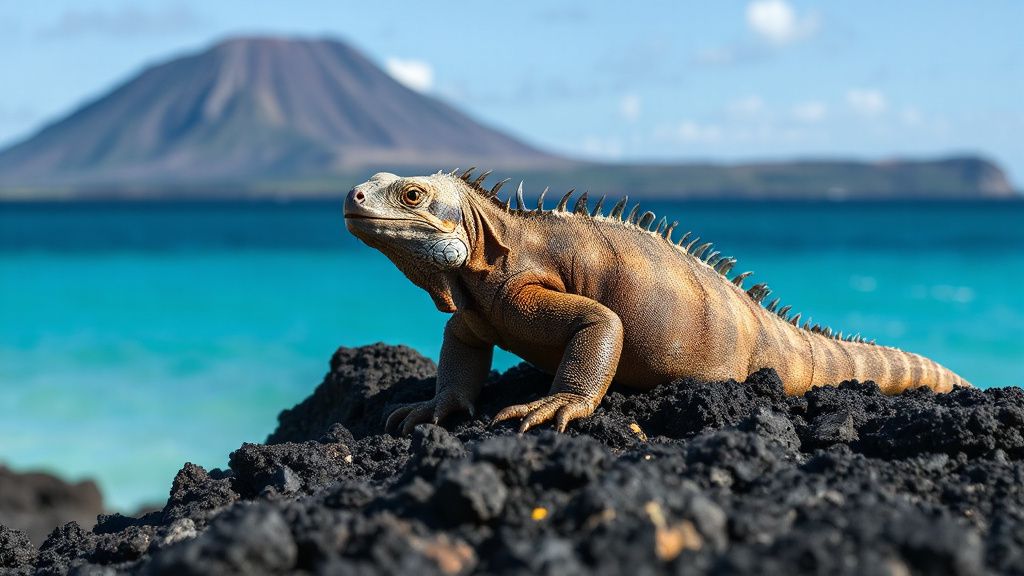
Archipelagic Foundation: A Realm of Volcanic Genesis
The Galapagos Islands, an Ecuadorian province, represent a dynamic geological marvel. Volcanic activity shapes its very existence. Tectonic plate movement fuels its ongoing transformation. These islands rise from the Pacific Ocean floor. Their formation is a compelling proof to Earth’s raw power. Lava fields stretch across stark landscapes.
Cone volcanoes punctuate the horizons. The terrain varies from barren rock to lush highlands. This geological dynamism directly influences its unique ecosystems. Understanding this foundation is key to appreciating its biodiversity.
Wildlife Encounters: A Living Laboratory of Evolution
Charles Darwin’s observations here catalyzed evolutionary theory. The Galapagos Islands host a remarkable array of endemic species. Marine iguanas bask on volcanic shores. Blue-footed boobies perform their mating dances. Giant tortoises lumber through the highlands. Sea lions frolic in the clear waters. Each island presents distinct variations. These species exhibit unique adaptations. They show little fear of humans. This allows for unparalleled close encounters. Strict conservation protocols protect this delicate balance.
Navigating the Archipelago: Expedition Logistics and Seasonality
Access to the Galapagos Islands requires careful planning. Flights depart from mainland Ecuador. Flights arrive at Baltra or San Cristobal. Inter-island travel often uses small cruise vessels. Land-based stays are also possible. Each option offers different perspectives. The dry season (June to November) brings cooler temperatures.
It also means rougher seas. The warm season (December to May) offers calmer waters. It also brings increased rainfall. Visitor sites have strict daily limits. Permits are essential for many activities. Advance booking is highly recommended.
Sustainable Exploration: Preserving a Global Treasure
The Galapagos National Park Directorate enforces rigorous environmental guidelines. Visitors must adhere to designated paths. Feeding wildlife is strictly prohibited. Bringing foreign organic material is forbidden. Certified naturalist guides accompany all excursions. Their expertise ensures minimal impact. Responsible tourism is paramount. This protects the islands’ fragile ecosystems. Future generations depend on these efforts. Respecting the natural environment is not optional.
Galapagos Islands: In-Depth Wildlife Encounters and Volcanic Landscapes
Field Intelligence: The Galapagos Islands offer a unique convergence of active volcanic geology and exceptionally adapted, fearless wildlife, presenting an unparalleled destination for documentary-style exploration and education. Strict conservation measures govern all visitor activities.
- ✦ [Galapagos National Park Directorate]: All visitors must be accompanied by a certified naturalist guide. Entry fees contribute directly to conservation efforts.
- ✦ [Ecuador Ministry of Tourism]: International and domestic flights to the Galapagos Islands are regulated. Specific biosecurity protocols are in place for all arrivals.
⚖️ Travel Advisory Verdict: An essential destination for naturalists and photographers. Logistical planning and adherence to conservation mandates are critical for a successful and responsible expedition.
👉 Experience the visual edition: Watch the Web Story ⚡. Access verified research updates directly on zeudytech.com. Cross-reference technical records via Galapagos National Park Directorate.