Vampire Squid’s Ethereal Glow: Bioluminescent Defense Secrets Revealed
The Abyssal Enigma: Introducing the Vampire Squid
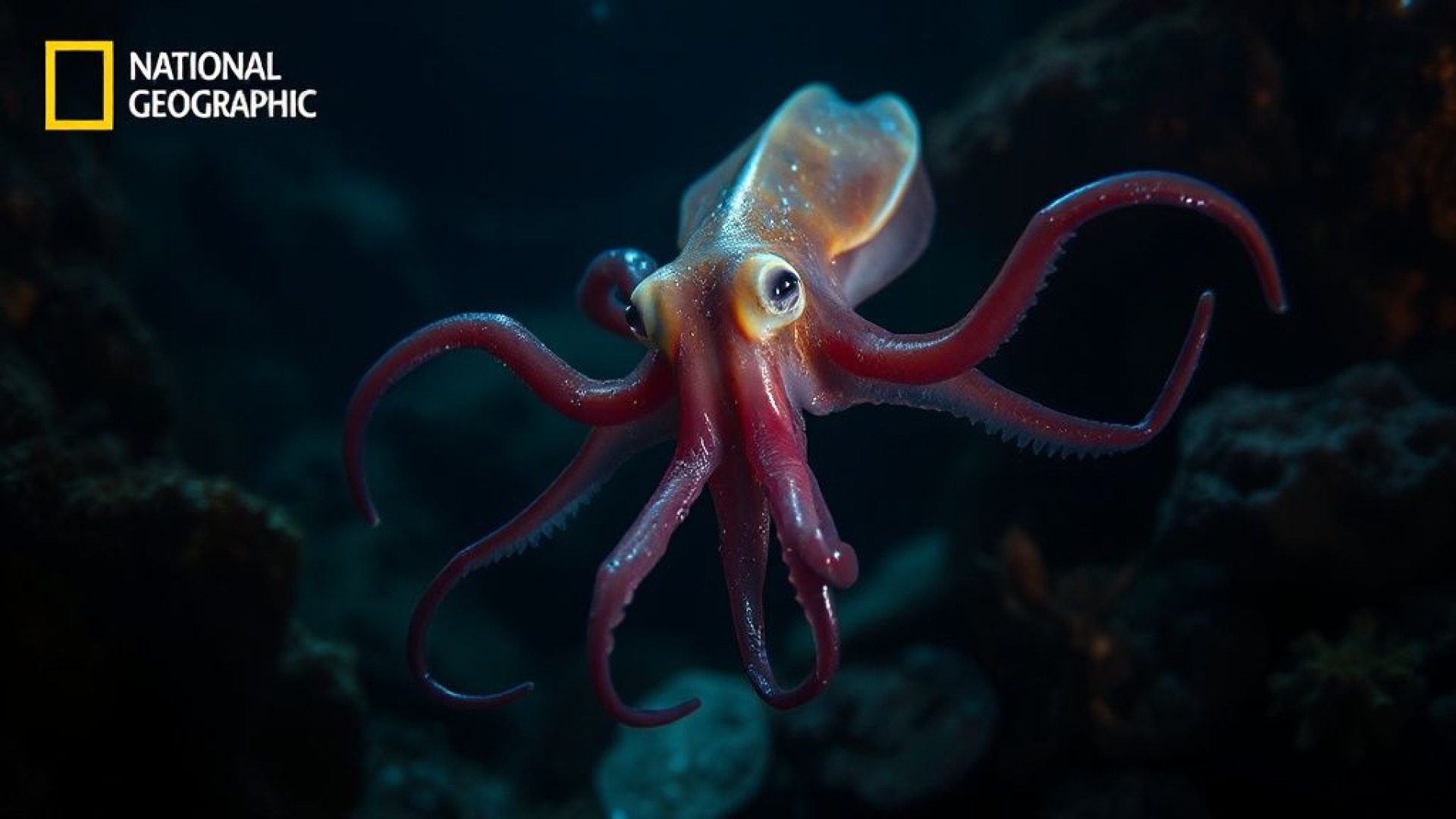
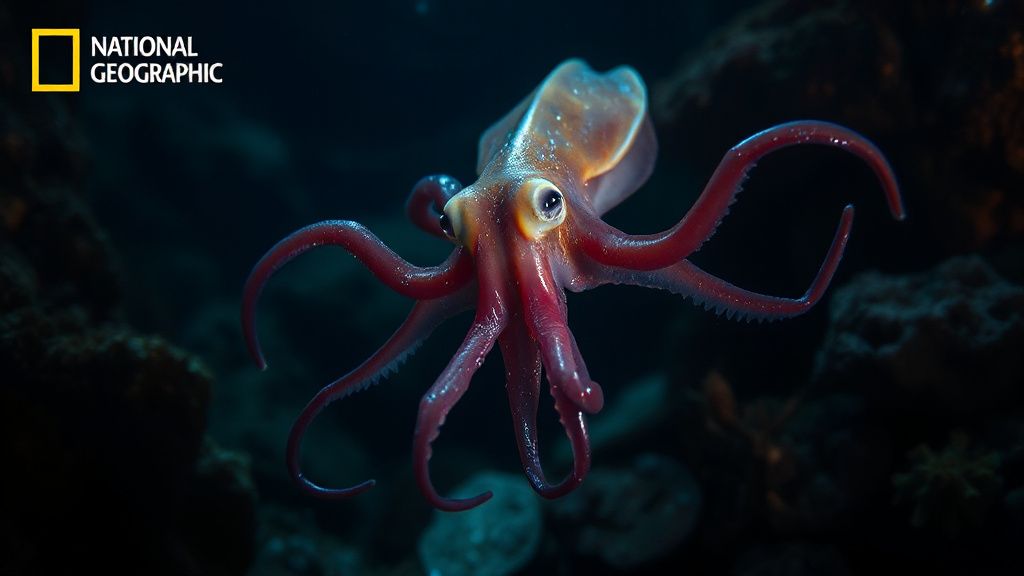
In the crushing darkness of the ocean’s midnight zone, a creature of profound mystery thrives. The vampire squid, *Vampyroteuthis infernalis*, navigates a world devoid of sunlight. Its name evokes fear, yet its existence is a compelling proof to adaptation. This deep-sea cephalopod possesses remarkable bioluminescent defense mechanisms.
These glowing displays are crucial for survival in its extreme environment. The vampire squid’s strategy is one of light and shadow. Understanding its bioluminescence unlocks secrets of abyssal life. This unique species offers a window into evolution’s ingenuity. Its survival hinges on sophisticated biological tools.
The vampire squid’s glow is a silent language of the deep.
Anatomy of Light: Photophores and Luminescence
The vampire squid’s body is studded with light-producing organs called photophores. These tiny structures are distributed across its mantle, arms, and even the tips of its arm webbing. Each photophore can emit a controlled burst of light. This controlled luminescence serves multiple purposes. The squid can produce a diffuse glow or targeted flashes.
Its arm tips contain particularly dense clusters of photophores. These can be detached to create lingering light distractions. The light itself is generated through a chemical reaction involving luciferin and luciferase. The vampire squid’s ability to control these reactions is sophisticated. It allows for precise signaling in the pitch-black deep.
This internal light show is a primary defense.
Defensive Displays: Startling and Confusing Predators
When threatened, the vampire squid employs a stunning array of bioluminescent tactics. It can eject a cloud of sticky, bioluminescent mucus. This glowing cloud engulfs the predator, temporarily blinding or confusing it. The squid then uses its speed to escape into the darkness. Another defense involves flashing its photophores rapidly.
This disorienting strobe effect can deter attackers. The detached glowing arm tips act as decoys. Predators may pursue the false lights while the actual squid retreats. These light-based maneuvers are vital for survival. They allow the vampire squid to evade larger, more aggressive deep-sea hunters.
Its defense is a masterful performance of light.
Beyond Defense: Communication and Foraging
While primarily a defensive tool, bioluminescence may also play a role in other aspects of the vampire squid’s life. Some researchers hypothesize that light patterns could be used for communication. This might involve attracting mates or signaling to other vampire squid. The deep sea is a realm where visual cues are scarce.
Bioluminescence offers a unique method of interaction. Beyond that, its hunting strategy involves passively collecting marine snow. This organic detritus drifts down from upper ocean layers. While not directly related to bioluminescence, its overall survival depends on efficient resource acquisition. The vampire squid’s existence is a balance of light and passive foraging.
Conservation and Future Research
The vampire squid inhabits remote, deep-sea environments. Direct observation is challenging, making comprehensive population studies difficult. Current conservation efforts focus on protecting deep-sea habitats from human impact. Trawling and deep-sea mining pose significant threats. Understanding the vampire squid’s unique biology, including its bioluminescent defense mechanisms, is crucial.
Continued research is needed to fully grasp its ecological role. Protecting these fragile ecosystems ensures the survival of species like the vampire squid. Its continued existence relies on our commitment to ocean conservation. The vampire squid’s light is a beacon for study.
Vampire Squid: Bioluminescent Defense Mechanisms
Ecological Synthesis: The vampire squid (*Vampyroteuthis infernalis*) is a unique deep-sea cephalopod known for its sophisticated bioluminescent defense mechanisms, including mucus clouds and photophore displays, crucial for survival in the aphotic zone.
- ✦ [IUCN / Monterey Bay Aquarium Research Institute]: Species distribution spans temperate to tropical oceans worldwide, typically between 600-1000 meters depth.
- ✦ [Zoological Telemetry / Field Studies]: Possesses over 300 photophores capable of producing light for defense, startling predators, and potentially communication.
⚖️ Naturalist Conservation Verdict: An extraordinary example of deep-sea adaptation, the vampire squid's bioluminescence is a critical survival tool, underscoring the need for continued exploration and conservation of abyssal ecosystems.
👉 Experience the visual edition: Watch the Web Story ⚡. Access verified research updates directly on zeudytech.com. Cross-reference technical records via National Geographic Official Wildlife & Nature Archives.