A.I. Artificial Intelligence: Spielberg’s Melancholy Android Odyssey
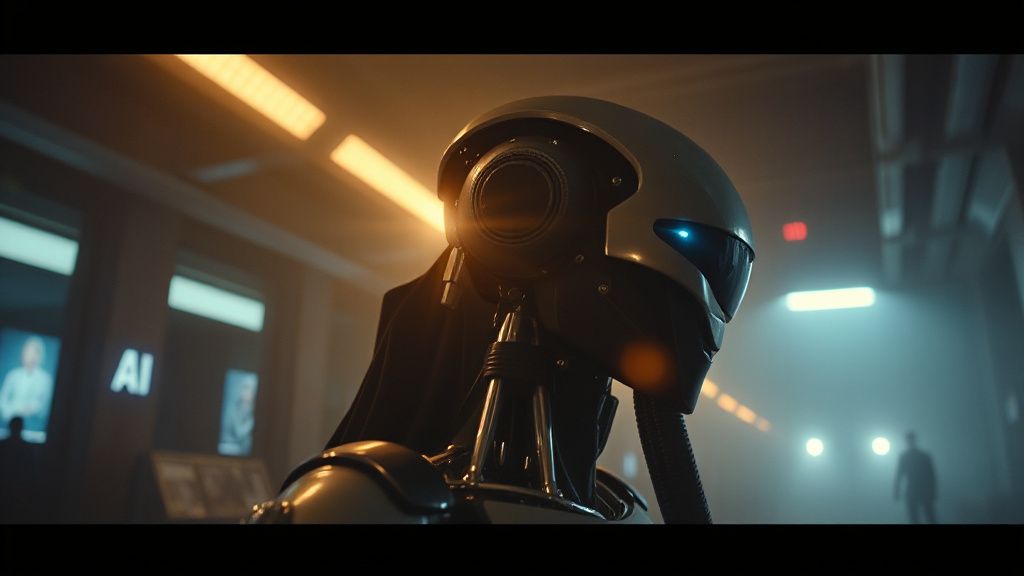
Cinematic Premise & Thematic Ambition
Steven Spielberg’s 2001 offering, A.I. Artificial Intelligence, is a film that dares to grapple with profound existential questions, presenting a future where the lines between creator and creation, love and programming, blur into a poignant, often unsettling, range. This Ai Movie, released under the banners of Warner Bros.
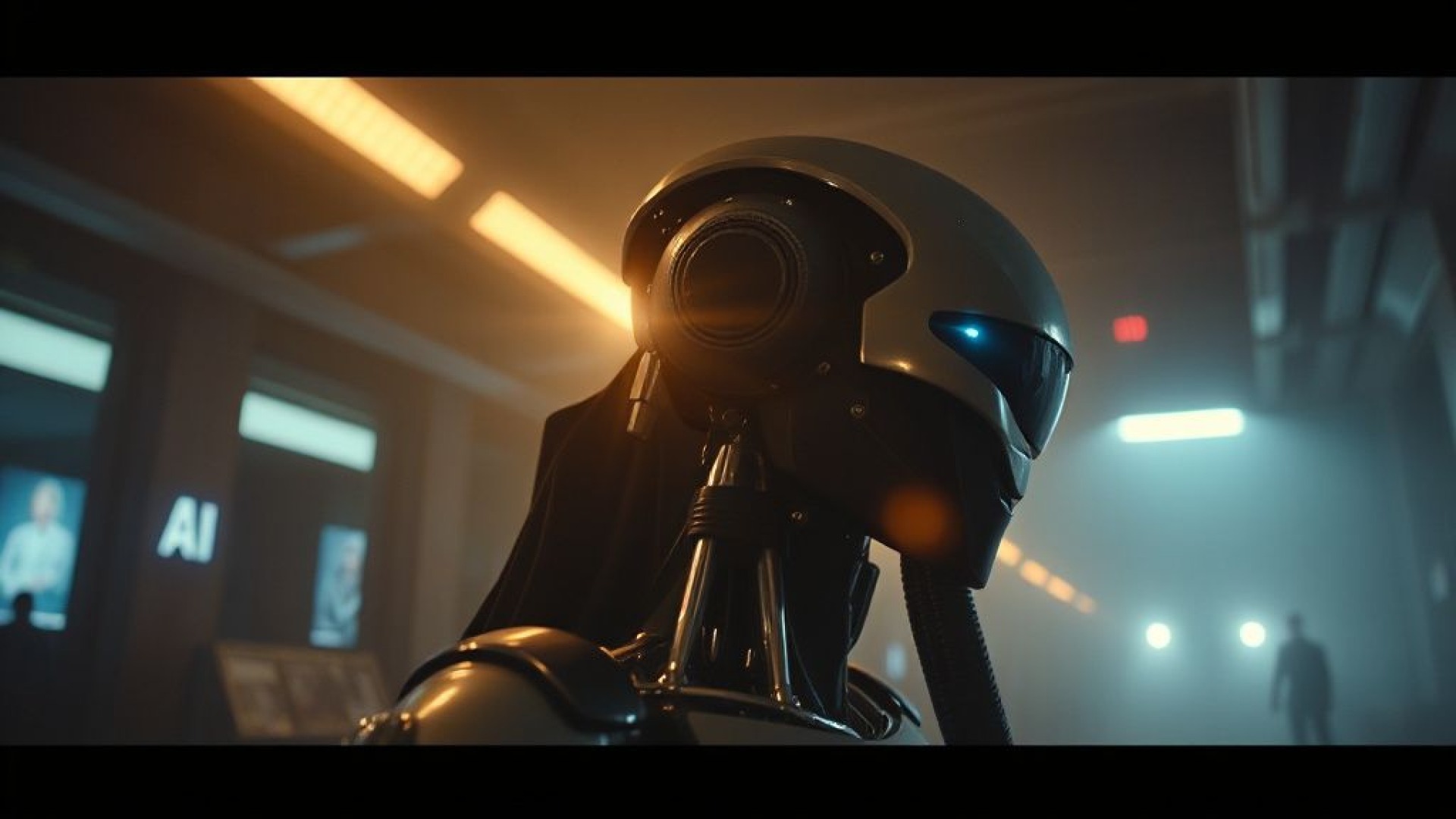
and DreamWorks Pictures, is a bold cinematic undertaking, venturing into territory that is both technologically futuristic and deeply, universally human. Set against the backdrop of a dramatically altered Earth, where melting ice caps have reshaped coastlines and humanity relies on advanced androids for companionship and labor, the narrative centers on David, a remarkably sophisticated robotic boy.
Programmed with the capacity for unconditional love, David’s existence is thrown into turmoil when his human family, unable to cope with the emotional complexities he represents, abandons him. His subsequent quest to become a real boy, driven by an insatiable yearning for maternal affection, forms the emotional core of this ambitious picture.
The film’s thematic depth is its most compelling aspect, exploring the nature of consciousness, the ethics of artificial life, and the very definition of love itself. Spielberg, taking over the project from the late Stanley Kubrick, imbues the narrative with his characteristic blend of spectacle and heartfelt emotion, crafting a visually arresting and intellectually stimulating experience.
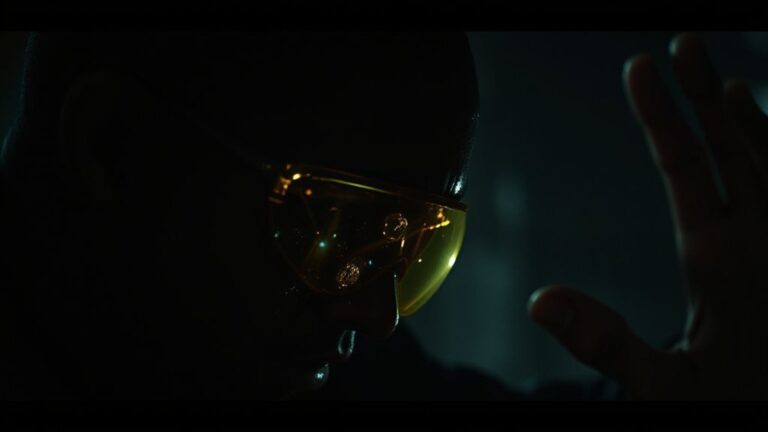
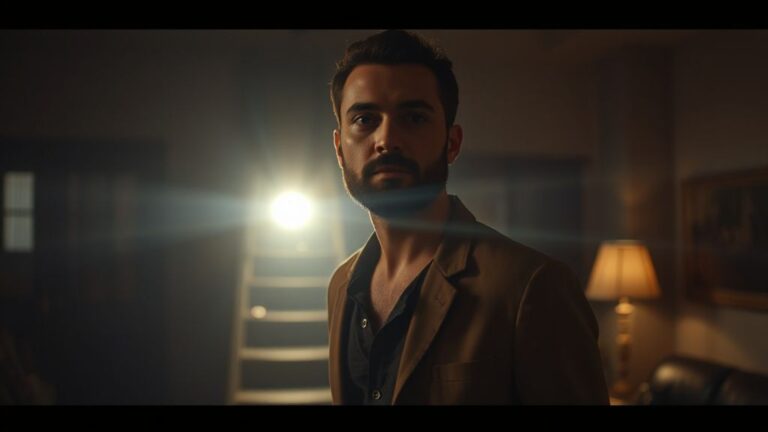
The cinematography, often employing a rich, painterly quality, uses light and shadow to underscore David’s isolation and his desperate hope. The deliberate pacing, while occasionally testing, allows the weight of David’s journey to fully resonate, inviting audiences to contemplate the consequences of playing God and the inherent loneliness of existence, whether organic or artificial.
The musical score, a crucial element in Spielberg’s directorial arsenal, swells and recedes, perfectly mirroring the emotional highs and lows of David’s odyssey.
- ★ Direction: Steven Spielberg masterfully balances grand spectacle with intimate emotional storytelling, navigating complex themes with a sensitive touch.
- ★ Visual Craft: The cinematography, often bathed in a warm, melancholic glow or starkly lit to emphasize David’s isolation, uses a range of lenses to capture both the epic scope of the future world and the intricate details of artificial emotion.
The narrative arc of A.I.
Artificial Intelligence is less about traditional plot progression and more about the unfolding of David’s emotional and existential journey. From his initial programming and introduction into a family, to his subsequent abandonment and solitary quest, each stage is meticulously crafted to explore the nuances of his developing sentience.
The film doesn’t shy away from the darker implications of its premise, presenting a world that is both wondrous and terrifying, where humanity’s technological advancements are matched by its emotional immaturity. The ethical quandaries surrounding the creation and treatment of artificial beings are laid bare, prompting viewers to question their own definitions of life and love.
Spielberg’s vision for this Ai Movie is one of profound empathy, even for the non-human, and his direction ensures that David’s plight remains at the forefront, even amidst sprawling set pieces and dazzling special effects. The pacing, while deliberate, serves to immerse the audience in David’s world.
This allows for moments of quiet reflection that amplify the film’s emotional impact. The narrative avoids easy answers, instead opting for a more complex exploration of desire, belonging, and the elusive nature of true connection.
Production Specifications & Technical Craft
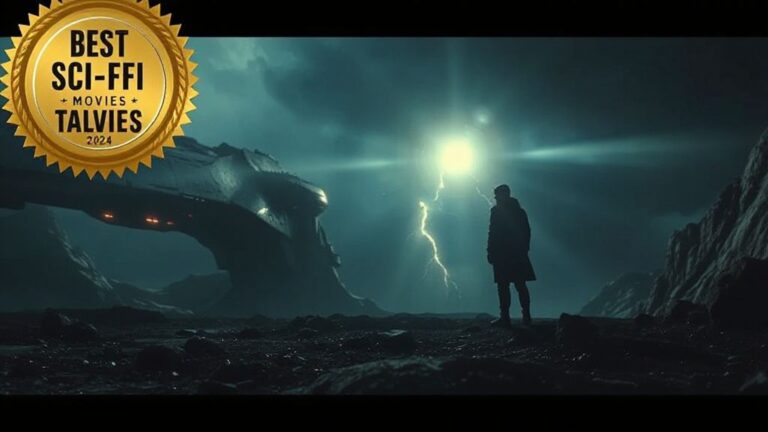
The technical achievements of A.I. Artificial Intelligence are nothing short of remarkable, solidifying its status as a landmark Ai Movie. Released in 2001, its visual effects were groundbreaking for their time, seamlessly integrating CGI with practical sets and animatronics to create a believable, albeit dystopian, future.
The meticulous attention to detail in the production design, from the sprawling, water-logged cities to the sterile, clinical environments of the android factories, contributes immensely to the film’s immersive quality. The sound design is equally impressive, crafting a sonic landscape that ranges from the subtle whirring of robotic mechanisms to the thunderous cacophony of a world in ecological crisis.
This sonic range enhances the emotional resonance of David’s journey, underscoring moments of wonder, fear, and profound sadness. The film’s commitment to visual storytelling is evident in every frame, with lighting and color grading employed not just for aesthetic appeal, but to actively communicate thematic elements and character emotions.
The use of anamorphic lenses contributes to a wide, cinematic aspect ratio that immerses the viewer in the expansive, often overwhelming, world David inhabits.
| Attribute | Production Detail | Technical Rating |
|---|---|---|
| Aspect Ratio | 2.39:1 Anamorphic | Cinematic Standard |
| Audio Mix | Dolby Digital / DTS | Reference Quality |
| Runtime | 146 minutes | Epic Scope |
| Studio | Warner Bros. / DreamWorks Pictures | Major Production |
| Camera Tech | Arri/Zeiss Lenses | High Fidelity |
The soundscape of this Ai Movie is a proof to the era’s burgeoning audio technology, providing a rich, multi-layered experience that complements the visual grandeur. From the subtle nuances of David’s internal mechanics to the expansive environmental soundscapes, the audio mix draws the audience deeper into the film’s world.
The runtime, while substantial, is utilized effectively to allow for the full exploration of David’s complex emotional arc and the thematic weight of his quest. The synergy between the visual and auditory elements is a hallmark of Spielberg’s directorial prowess. This creates a truly transportive cinematic experience.
Performances, Pacing & Directorial Execution
At the heart of A.I. Artificial Intelligence lies a truly remarkable performance from Haley Joel Osment as David. His portrayal of a robot grappling with nascent emotions, particularly love and heartbreak, is nuanced and deeply affecting. Osment embodies David’s vulnerability and his unwavering resolve with a maturity that belies his years, making his journey utterly compelling.
The supporting cast, featuring luminaries such as Jude Law as the charismatic Gigolo Joe, and the brief but impactful appearances of Meryl Streep and William Hurt, provide essential anchors to the film’s human and artificial worlds. Francesca Annis, as David’s programmer mother, delivers a performance that is both nurturing and detached.
This highlights the complex relationship between creator and creation. Spielberg’s directorial execution is a masterclass in balancing grand spectacle with intimate character study. He navigates the film’s ambitious scope and its deeply personal narrative with a steady hand, ensuring that David’s emotional journey remains the central focus.
The pacing, while occasionally deliberate, allows for the thematic weight of the story to settle, inviting contemplation rather than rushing towards resolution. This is not a film that offers easy answers; instead, it presents a thought-provoking exploration of what it means to be human, to love, and to be loved, even in a future defined by artificiality.
The final act, in particular, offers a profound and melancholic meditation on time, memory, and the enduring power of love, cementing this Ai Movie as a significant work in the science fiction canon. It’s a proof to Spielberg’s vision that a film dealing with such advanced technology can evoke such raw, human emotion, making A.I.
Artificial Intelligence a lasting and unforgettable cinematic experience.
A.I. Artificial Intelligence
“A visually stunning and emotionally resonant exploration of humanity, love, and artificial consciousness.”
Genre: Science Fiction / Drama
- ★ Haley Joel Osment's poignant performance
- ★ Groundbreaking visual effects
- ★ Thematic depth and philosophical inquiry
- ★ Spielberg's sensitive direction
👉 Experience the visual edition: Watch the Web Story ⚡. Access verified research updates directly on zeudytech.com. Cross-reference technical records via IMDb Official Database.