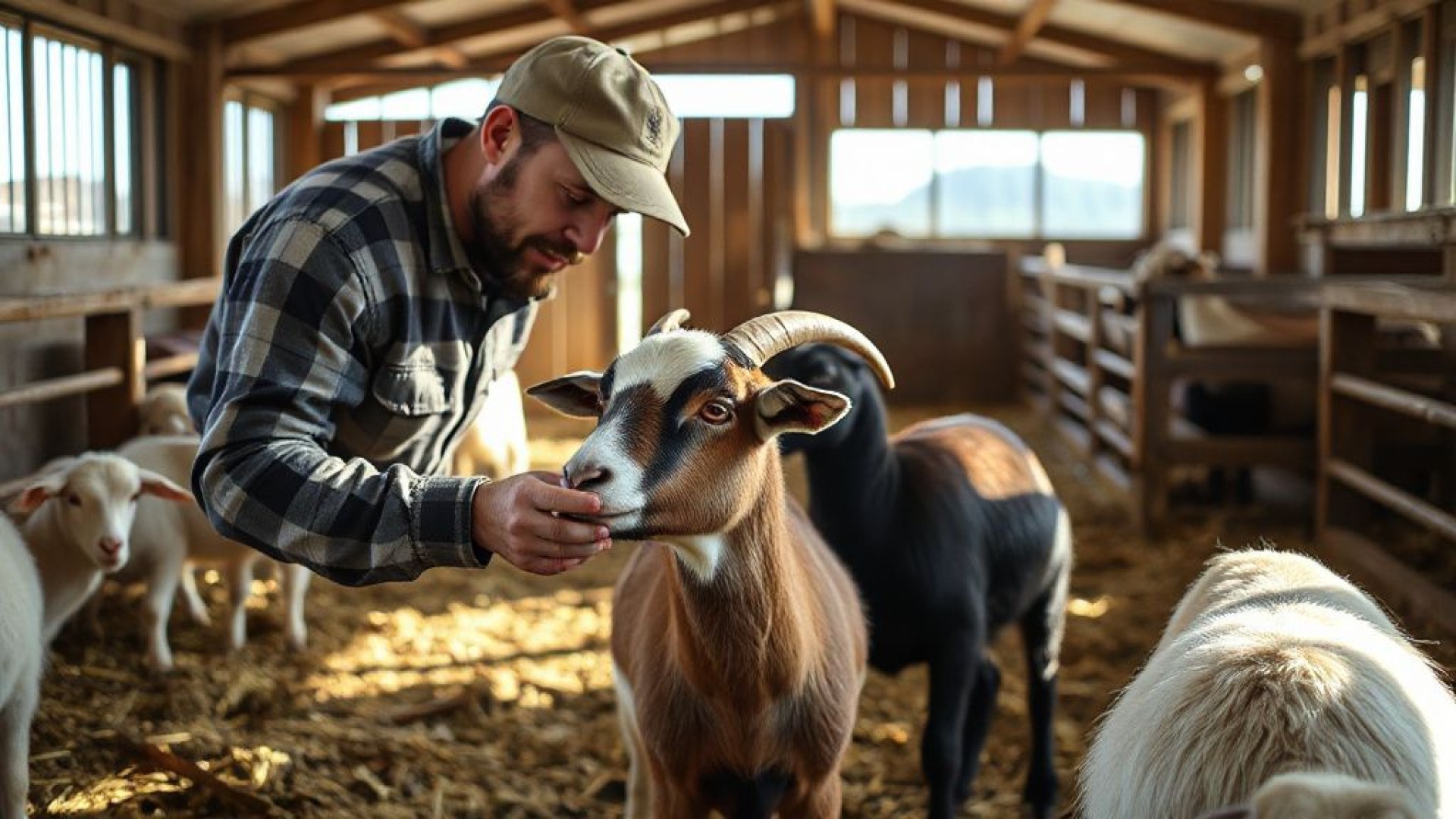
Goat Farming 101: Essential Tips for New Farmers to Avoid Costly Mistakes
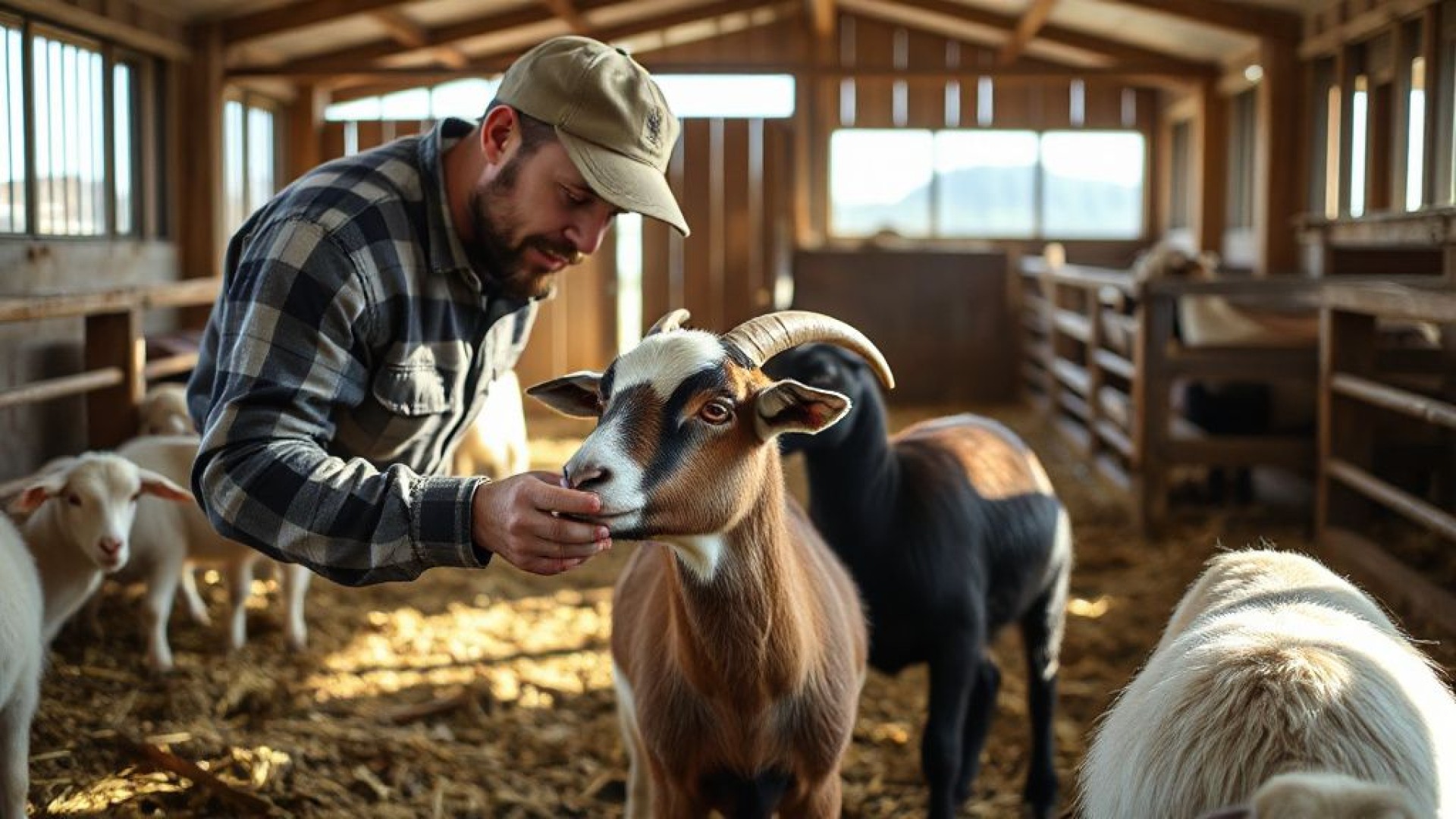
Understanding the Commitment: More Than Just Cute Goats
Embarking on goat farming is an exciting prospect for many new farmers. However, it’s essential to grasp the full scope of this endeavor before acquiring your first animal. It requires significant commitment, not just in terms of time, but also financial investment and continuous learning. You must be prepared for daily chores, including feeding, watering, and cleaning.
Furthermore, understanding goat behavior and their specific needs is paramount to their well-being and your farm’s success. Consider the long-term implications. Goats are not low-maintenance livestock; they require consistent attention and care. Neglecting their needs can lead to health problems, stress, and ultimately, financial losses. Therefore, thorough research and a realistic assessment of your capabilities are the absolute first steps.
As a result, many experienced farmers emphasize starting small to gain experience and build confidence. This gradual approach allows new farmers to adapt to the demands without being overwhelmed.
Essential Infrastructure for New Farmers: Building a Solid Foundation
Setting up the right environment is necessary for the health and safety of your goats. Adequate shelter is non-negotiable. It needs to protect them from extreme weather, including rain, wind, and harsh sun. Furthermore, secure fencing is paramount to prevent escapes and protect them from predators. Goats are notorious for their ability to find weak spots in fences.
Therefore, investing in robust materials like woven wire or strong electric fencing is highly recommended. Think about the specific requirements for your herd size and breed. Different breeds may have slightly different needs regarding space and shelter. In addition, consider essential equipment such as feeding troughs, waterers, and a designated area for storing feed and supplies.
These elements contribute significantly to efficient farm management and animal welfare. Ultimately, a well-planned infrastructure minimizes risks and sets new farmers up for success.
Nutrition and Health: The Cornerstones of Goat Husbandry
Providing the correct diet is fundamental to raising healthy goats. Their nutritional needs vary based on age, breed, and whether they are pregnant or lactating. Primarily, good quality forage, such as hay or pasture, should form the basis of their diet. However, supplementation with grains or specialized goat feed may be necessary to meet specific nutrient requirements.
Always ensure fresh, clean water is available at all times. Moreover, understanding common goat diseases and preventative measures is indispensable. Regular veterinary check-ups, vaccinations, and deworming schedules are essential for maintaining a healthy herd. Observing your goats for any signs of illness, such as lethargy, loss of appetite, or unusual droppings, allows for early intervention.
Consequently, a proactive approach to health and nutrition can prevent widespread issues and costly treatments. As a result, many successful goat farmers maintain close relationships with their veterinarians.
Breeding and Management: Planning for Growth and Sustainability
For new farmers looking to expand their herd, understanding breeding practices is key. It involves selecting appropriate breeding stock, managing the breeding cycle, and preparing for kidding (birth). Responsible breeding ensures the genetic improvement of your herd and minimizes health issues in offspring. Furthermore, effective herd management practices, such as record-keeping, are essential for tracking individual animal health, lineage, and productivity.
Consider the market for your goats or goat products. Whether you plan to sell meat, milk, fiber, or breeding stock, understanding market demands will guide your management decisions. Therefore, developing a business plan, even for a small operation, is highly advisable. This includes budgeting for feed, veterinary care, and potential infrastructure upgrades.
Ultimately, strategic planning ensures the long-term sustainability and profitability of your goat farming venture. As a result, new farmers should actively seek out resources and mentors in the goat farming community.
👉 Access verified research updates and ongoing coverage directly on zeudytech.com. Cross-reference verified technical records via Food and Agriculture Organization of the United Nations.