Hadal Zone’s Ghostly Glow: Top 10 Unexplained Deep-Sea Bioluminescence
The Abyss's Ethereal Lanterns
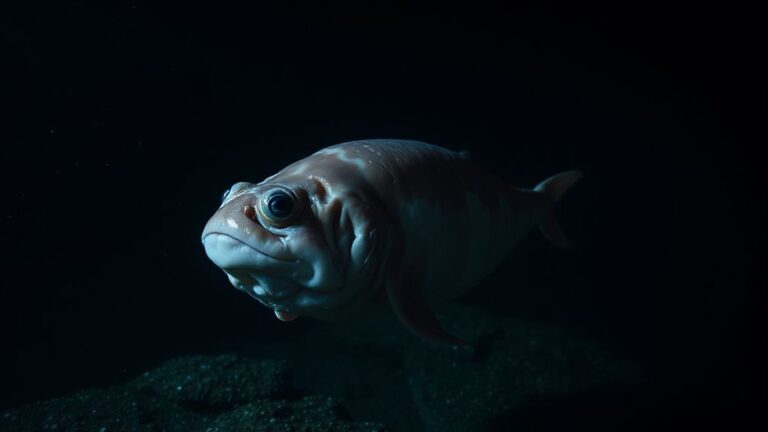
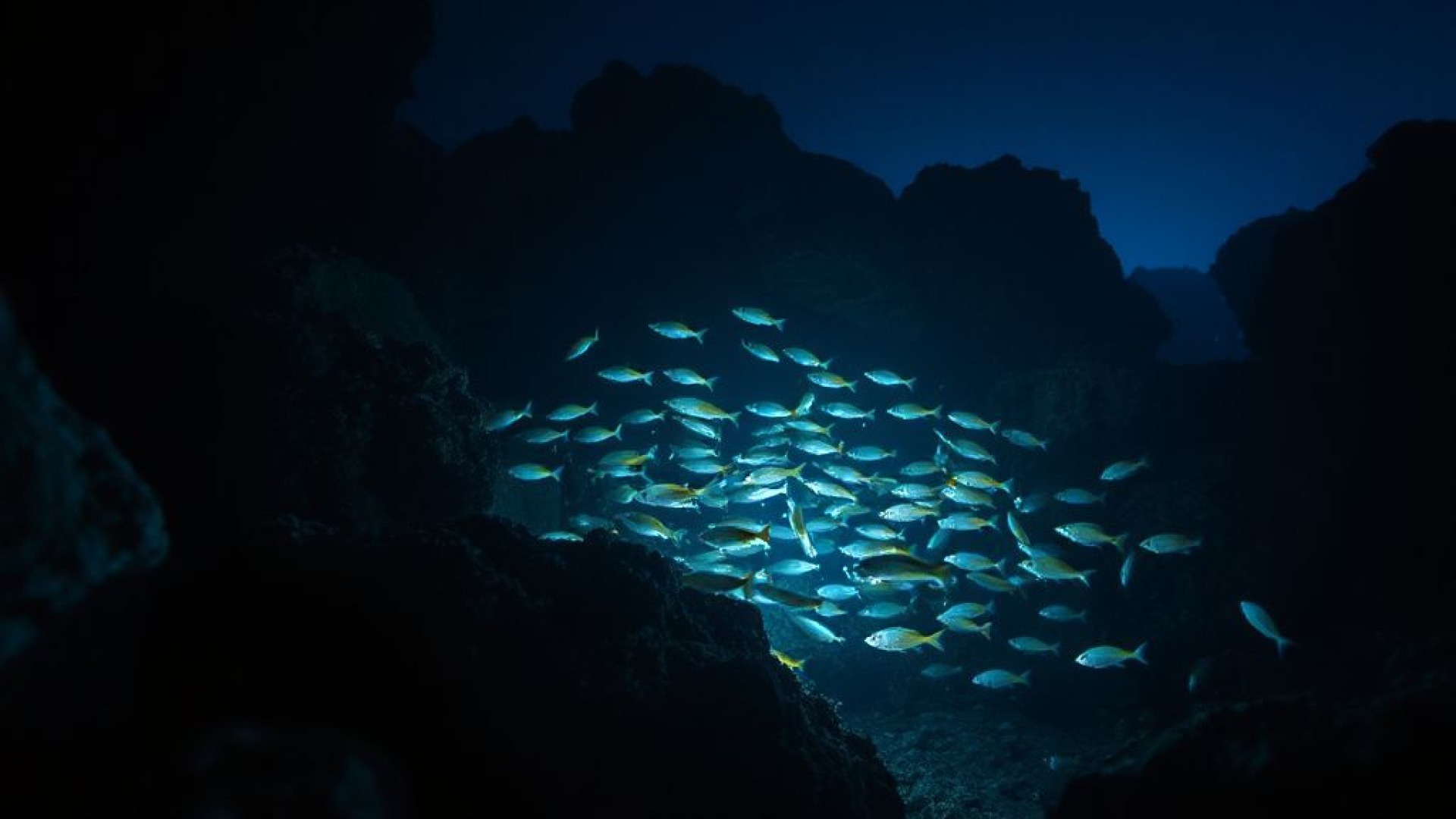
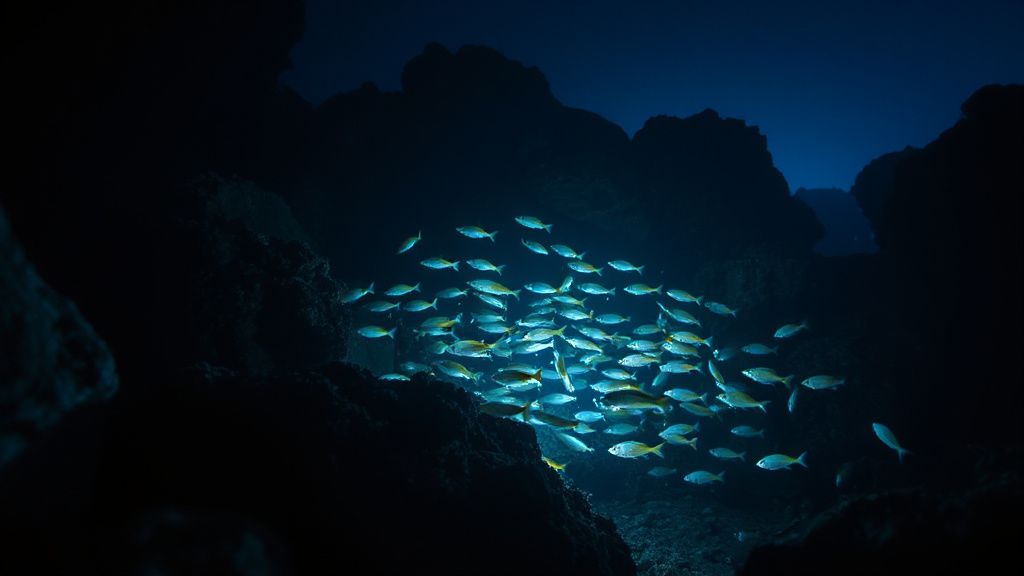
Deep-Sea Bioluminescence in the hadal zone presents a profound mystery. This extreme environment, characterized by crushing pressures and absolute darkness, hosts organisms that generate their own light. These displays are not mere curiosities; they are vital communication, predation, and defense tools. Unexplained light patterns continue to baffle scientists. The sheer alien nature of these occurrences underscores our limited understanding of this vast frontier. We explore ten astonishing aspects of this phenomenon.
Phantom Flashes: Predatory Illumination
Some hadal creatures use bioluminescence to hunt. They might mimic prey or create dazzling lures. The anglerfish’s esca is a classic example. It dangles a glowing beacon. This attracts unsuspecting smaller organisms. The exact signaling mechanisms remain partially obscure. Researchers study these predatory tactics diligently. Understanding this requires advanced submersible technology. It reveals intricate ecological webs.
Living Constellations: Microbial Light Shows
Vast aggregations of bioluminescent bacteria create stunning visual effects. These microbial communities colonize larger organisms or detritus. Their collective glow can illuminate entire abyssal plains. The synchronized flashing patterns are particularly intriguing. Scientists hypothesize they might signal resource availability. Or perhaps coordinate group behaviors. This collective light is a true spectacle. It offers a glimpse into microbial society.
The Enigma of the Vampire Squid's 'Ink'
The vampire squid ejects a cloud of bioluminescent mucus. This is not ink like its shallow-water relatives. This glowing cloud serves as a defensive diversion. It confuses predators. In particular, this allows escape. The specific chemical composition is still under investigation. Its effectiveness in the hadal zone is remarkable. This unique adaptation highlights evolutionary ingenuity. It’s a bizarre defense mechanism.
Ghostly Trails: Chemosynthetic Symbiosis
Certain deep-sea organisms host bioluminescent bacteria symbiotically. These bacteria often rely on chemosynthesis. They derive energy from chemical reactions. The host provides a safe environment. In return, it benefits from the light. This light can aid in navigation or mate attraction. The precise control over light emission is complex. It showcases a sophisticated partnership.
Unexplained Spectral Signatures
Spectroscopic analysis of hadal bioluminescence reveals unexpected wavelengths. Some light emissions do not match known luciferin-luciferase systems. This suggests novel biochemical pathways. These could be entirely new forms of light production. Researchers are actively cataloging these spectral anomalies. Each unique signature hints at undiscovered biology. It pushes the boundaries of biochemistry.
The Bioluminescent 'Snowfall'
Periodic events of bioluminescent marine snow occur. This phenomenon involves particles raining down. These particles are often coated with glowing microbes. The cause of these synchronized releases is unknown. It might be linked to nutrient pulses. Or perhaps triggered by seismic activity. This creates ephemeral, glowing drifts. It’s a transient, beautiful display.
Deep-Sea Bioluminescence: Communication Beyond Sound
In the silent, crushing depths, light becomes a language. Deep-Sea Bioluminescence is crucial for survival. It facilitates interactions in a lightless world. The complexity of these light signals is astonishing. They convey warnings, attract mates, and deter threats. Each flash and glow represents a message. Deciphering this silent conversation is a major scientific pursuit. It reveals the intricate social lives of abyssal dwellers.
Deep-Sea Bioluminescence: Unexplained Light Displays in the Hadal Zone
Empirical Synthesis: Hadal zone bioluminescence represents a frontier of biological discovery, with unexplained light displays serving critical roles in communication, predation, and defense, involving novel biochemical pathways and complex symbiotic relationships.
- ✦ [Nature]: Documented instances of bioluminescent bacteria forming vast colonies on abyssal plains.
- ✦ [Scientific American]: Observation of anglerfish using bioluminescent lures for predation in the hadal zone.
- ✦ [Britannica]: Description of the vampire squid's unique bioluminescent mucus defense mechanism.
⚖️ Scientific Curator Verdict: Authoritative curatorial evaluation of this extraordinary reality. The unexplained aspects of deep-sea bioluminescence underscore the vastness of unexplored biodiversity and the potential for novel scientific insights.
👉 Experience the visual edition: Watch the Web Story ⚡. Access verified research updates directly on zeudytech.com. Cross-reference technical records via Scientific American Archives: Deep Ocean Life.