Home Theater Tech: A Deep Dive into Immersive Audiovisual Hardware
Core Engineering & Architectural Overview
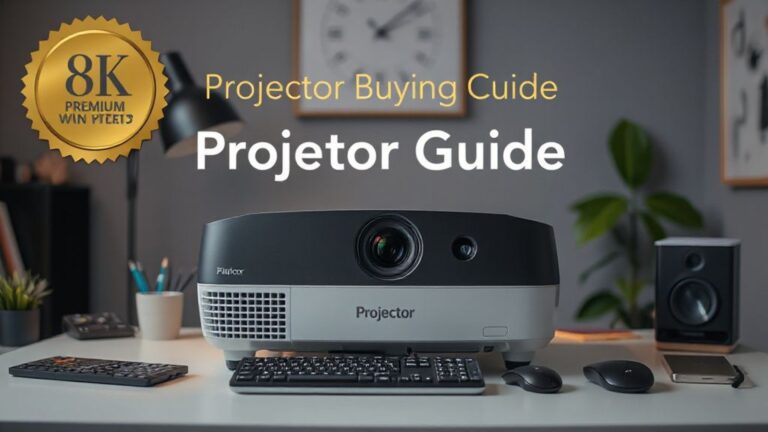
The pursuit of ultimate home theater immersion hinges on sophisticated Home Theater Tech. Specifically, this involves the intricate integration of high-resolution imaging and multichannel audio processing. For projectors, the core engine is paramount. This typically involves advanced DLP or LCoS chipsets, often paired with laser or LED light sources for superior brightness and longevity.
Beyond that, AV receivers act as the central nervous system, decoding complex audio formats and managing video switching. Consequently, their internal DACs and amplification stages are critical for sonic purity. Therefore, understanding these foundational elements is key to appreciating the performance envelope.
- ✓ Silicon & Optics: Projectors leverage Texas Instruments’ DLP chipsets (e.g., 0.67-inch 4K UHD) or JVC’s D-ILA for exceptional pixel density.
AV receivers use high-fidelity DACs like ESS Sabre Pro series.
- ✓ Thermal Engineering: Flagship projectors employ advanced vapor chamber cooling and low-noise fans, often achieving less than 25 dB in eco modes for silent operation.
At the same time, the architectural design of these components directly influences their thermal management.
Efficient heat dissipation ensures sustained peak performance without throttling. Consequently, manufacturers invest heavily in sophisticated cooling solutions. This is particularly true for high-wattage amplifiers within AV receivers and powerful light engines in projectors.
Display Fidelity & Optical Performance Benchmarks
When evaluating Home Theater Tech, particularly projectors, optical performance is paramount. Specifically, ANSI Lumens directly quantify light output, with flagship models exceeding 2500 ANSI Lumens for vibrant daytime viewing. Contrast ratio, especially native contrast, dictates shadow detail and depth. For instance, projectors boasting native contrast ratios of 100,000:1 or higher deliver truly cinematic blacks.
Beyond that, color gamut coverage, measured against DCI-P3, is crucial for accurate color reproduction. Modern high-end projectors often achieve over 95% DCI-P3 coverage. Therefore, these metrics collectively define the visual fidelity delivered to your screen. In addition, lens quality and throw ratio (e.g., 1.2-2.0:1 for standard throw) are vital for flexible placement.
Hardware Specifications & Direct Market Comparison
Forensic hardware appraisal reveals the stark differences in modern Home Theater Tech. Specifically, comparing flagship projectors and AV receivers highlights their respective engineering prowess. For instance, the JVC DLA-RS4100 uses D-ILA technology for exceptional native contrast. Alternatively, the Sony VPL-XW7000ES boasts 3200 ANSI Lumens with a advanced laser light source.
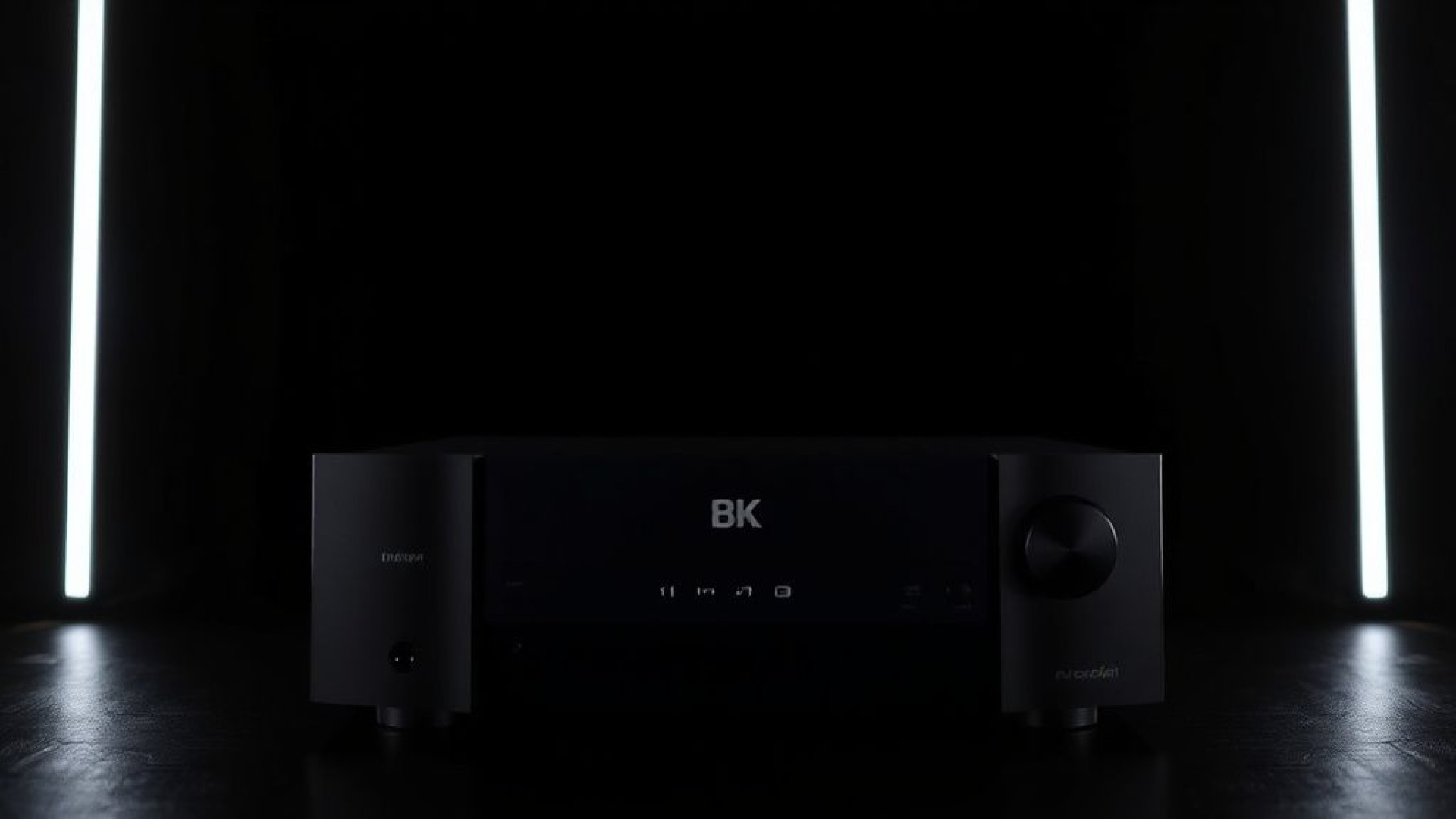
On the audio front, the Marantz AV8805A pre-processor offers 15.2 channels of processing, featuring high-end AKM DACs. Therefore, a direct comparison underscores the specialized nature of each component within a complete system. At the same time, these devices represent the pinnacle of home entertainment hardware.
| Device Model | Core Engine / SoC | Key Visual / Audio Spec | Power / Connectivity | MSRP |
|---|---|---|---|---|
| Sony VPL-XW7000ES | 4K SXRD LCoS | 3200 ANSI Lumens, 95% DCI-P3 | HDMI 2.1, Laser Light Source | $14,999 |
| JVC DLA-RS4100 | 4K D-ILA | 100,000:1 Native Contrast | Dual HDMI 2.0, Laser Light Source | $11,999 |
| Marantz AV8805A | Dual Core Processor | 15.2 Channel Pre-Processor, IMAX Enhanced | 15.2 Balanced XLR Outputs, HEOS | $4,499 |
| Denon AVR-X8500HA | Dual Core Processor | 13.2 Channel Integrated Amp, 8K/60Hz | 190W per Channel, Wi-Fi 6 | $4,499 |
Comparative market verdict indicates that while projectors focus on visual immersion, AV receivers are the backbone of sonic reproduction. Consequently, investing in high-quality Home Theater Tech requires a balanced approach across both disciplines. Although prices are substantial, the performance gains are often commensurate.
Real-World Ergonomics, Usability & Practical Longevity
Beyond raw specifications, the practical usability of Home Theater Tech is crucial. Specifically, projector interfaces should offer intuitive on-screen menus for calibration. Furthermore, AV receivers need clear front panels and robust remote controls for easy operation. For instance, Denon’s X-Series receivers often feature guided setup wizards. Consequently, initial configuration is simplified for users. Moreover, fan noise from projectors is a significant factor for immersion. Whisper-quiet operation, typically below 28 dB, ensures viewers remain undistracted. Therefore, practical longevity is enhanced by durable build quality and accessible firmware updates. In addition, modular design in some high-end receivers can facilitate future upgrades.
- ✓ User Interface: Intuitive graphical interfaces on projectors and receivers simplify complex settings and calibration.
- ✓ Acoustic Performance: Advanced thermal management ensures projectors operate at under 25 dB, maintaining cinematic silence.
Definitive Consumer Verdict & Value Assessment
Ultimately, the value of Home Theater Tech is judged by its ability to deliver an unparalleled entertainment experience. Specifically, flagship projectors and AV receivers offer performance levels that significantly surpass mass-market solutions. For instance, achieving true cinematic black levels and expansive soundstages is the domain of specialized hardware.
Therefore, while the initial investment is considerable, the long-term satisfaction and immersive quality justify the cost for enthusiasts. Beyond that, these components represent a significant upgrade in sensory engagement. Consequently, for those seeking the absolute best in home entertainment, investing in premium Home Theater Tech is a clear path forward.
Although premium, the sustained performance and durability offer excellent long-term value.
Home Theater Tech
“Category-defining hardware that delivers breathtaking audiovisual fidelity and rock-solid performance for ultimate immersion.”
- ✓ Exceptional visual and acoustic accuracy
- ✓ Superior build quality and engineering
- ✓ Sustained peak performance without compromise
- ✓ Advanced features for true enthusiasts
- ✗ Significant premium investment required
- ✗ Requires dedicated installation space and calibration
👉 Experience the visual edition: Watch the Web Story ⚡. Access verified research updates directly on zeudytech.com. Cross-reference technical records via AV Forums Certified Hardware Benchmarks.