Kralan: The Art of Perfectly Grilled Sticky Rice with Coconut and Beans: Key Practical Insights
Kralan: Achieving Perfect Texture in Grilled Sticky Rice with Coconut and Beans
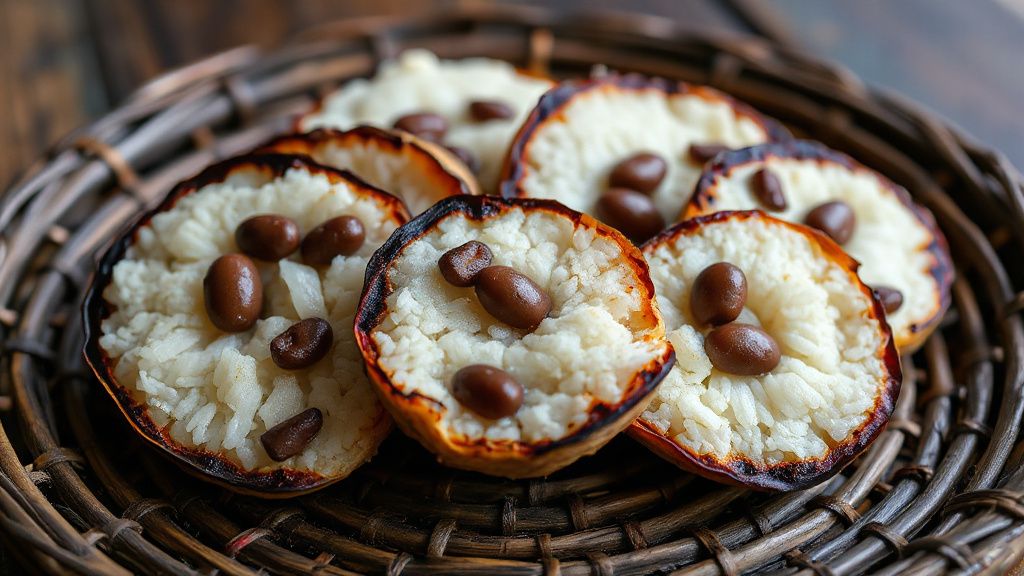
Kralan: Achieving Perfect Texture in Grilled Sticky Rice with Coconut and Beans represents a quintessential Cambodian street food experience. This beloved delicacy, often prepared over open flames, showcases a masterful balance of sweet, creamy, and subtly savory notes. Its true charm lies in the textural contrast – a slightly charred exterior yielding to a tender, yielding interior packed with fragrant coconut milk and hearty beans.
Achieving this perfect bite requires understanding the nuances of sticky rice preparation and the controlled heat of grilling.
The Foundation: Selecting and Preparing Sticky Rice
The journey to exceptional Kralan begins with high-quality glutinous rice. This rice, often called ‘sticky rice’ or ‘sweet rice,’ possesses a unique starch composition that becomes wonderfully chewy and adhesive when cooked. Soaking the rice is a critical first step. Ideally, it should soak for at least four hours, or even overnight.
This rehydrates the grains, ensuring they cook evenly and achieve that signature tender texture. After soaking, draining the rice thoroughly is paramount. Excess water can lead to a mushy result, a far cry from the desired firm yet yielding bite of authentic Kralan.
Infusing Flavor: Coconut Milk and Beans
Coconut milk forms the soul of Kralan’s flavor profile. Freshly pressed coconut milk imparts the richest aroma and taste. It’s gently heated with a touch of sugar and a pinch of salt. Consequently, this creates a sweet, slightly saline liquid that the soaked rice will absorb.
This infusion process is key. The rice is then mixed with cooked beans, typically black-eyed peas or small red beans, which add a delightful earthiness and textural counterpoint. This mixture is then carefully packed into bamboo tubes, a traditional vessel that imparts a subtle woody aroma during cooking.
Mastering the Grill: The Secret to Perfect Texture
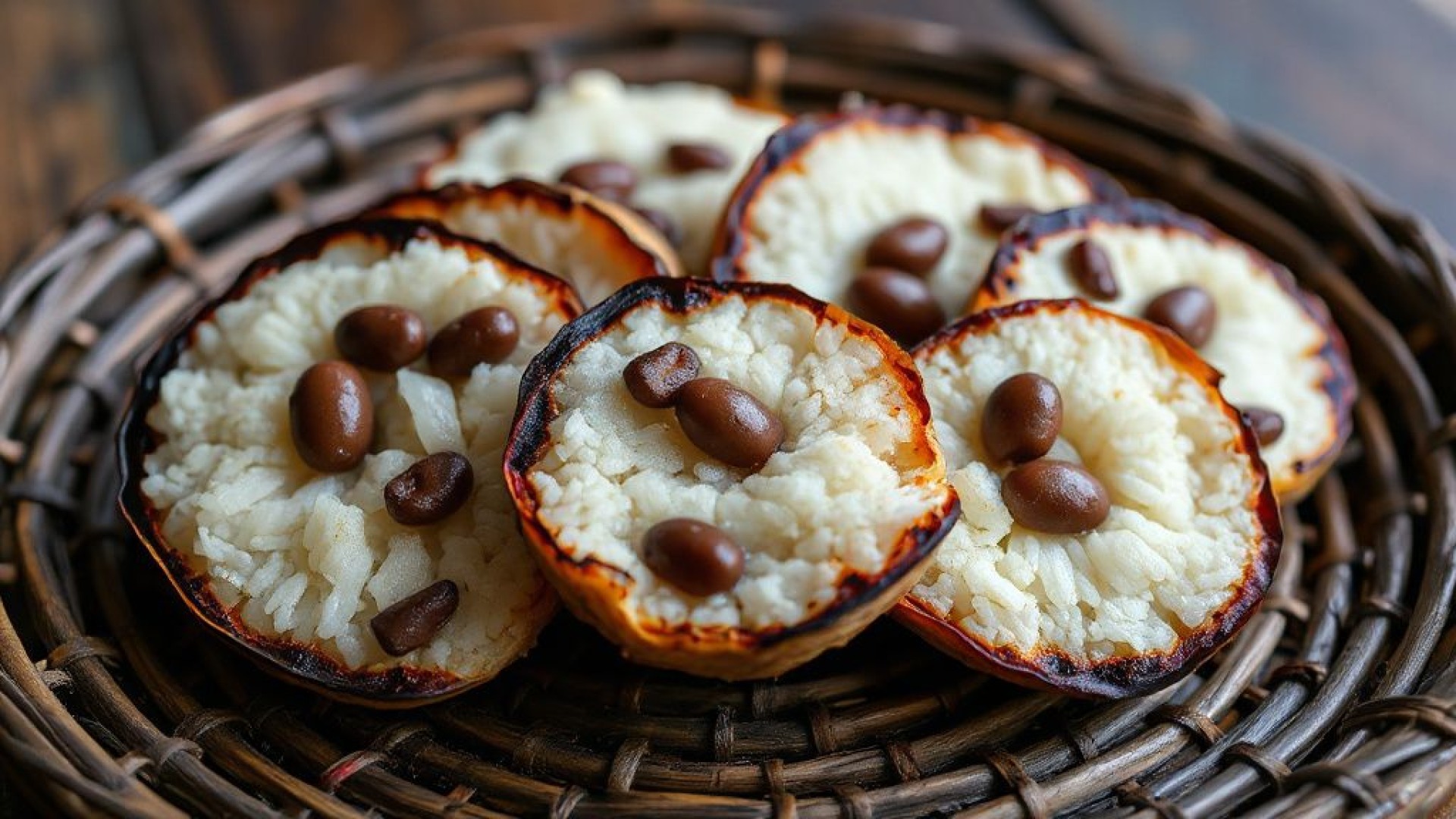
Grilling Kralan is where the magic truly happens. The bamboo tubes are placed over low to medium heat, often charcoal embers. Constant rotation is essential. This ensures even cooking and prevents burning. The bamboo wrapper protects the rice from direct flame. In particular, this allows it to steam gently from within while the exterior develops a delightful char.
This charring is not about bitterness; it’s about adding a smoky depth and a pleasing crispness to the outer layer of rice. The heat coaxes the coconut milk to permeate the grains fully. Consequently, this creates a cohesive, fragrant mass. The entire process typically takes about 20 to 30 minutes, during which the bamboo itself begins to char slightly.
Serving and Enjoying Kralan
Once grilled to perfection, the bamboo tubes are carefully opened. The Kralan is then sliced into thick, rustic rounds, revealing the beautiful mosaic of pearly white rice and dark beans. Each slice offers a sensory delight: the initial smoky aroma, followed by the sweet fragrance of coconut.
It’s best enjoyed warm, straight from the grill, showcasing its optimal texture. While Kralan is a complete treat on its own, it pairs wonderfully with a cool, refreshing glass of iced tea or coconut water, balancing the richness of the rice and coconut.
Kralan: Achieving Perfect Texture in Grilled Sticky Rice with Coconut and Beans
Gastronomic Essence: A traditional Cambodian grilled sticky rice delicacy featuring coconut milk, beans, and a delightful smoky char.
- ✓ 2 cups glutinous rice, soaked
- ✓ 1 can (13.5 oz) full-fat coconut milk
- ✓ 1/2 cup cooked black-eyed peas or small red beans
- ✓ 2-3 tablespoons sugar (to taste)
- ✓ 1/2 teaspoon salt
- ✓ Bamboo tubes or banana leaves for wrapping
💡 Executive Chef Pro-Tip: For an even richer coconut flavor, gently heat the coconut milk with sugar and salt before mixing it with the soaked rice.
👉 Experience the visual edition: Watch the Web Story ⚡. Access verified research updates directly on zeudytech.com. Cross-reference technical records via Wikipedia.