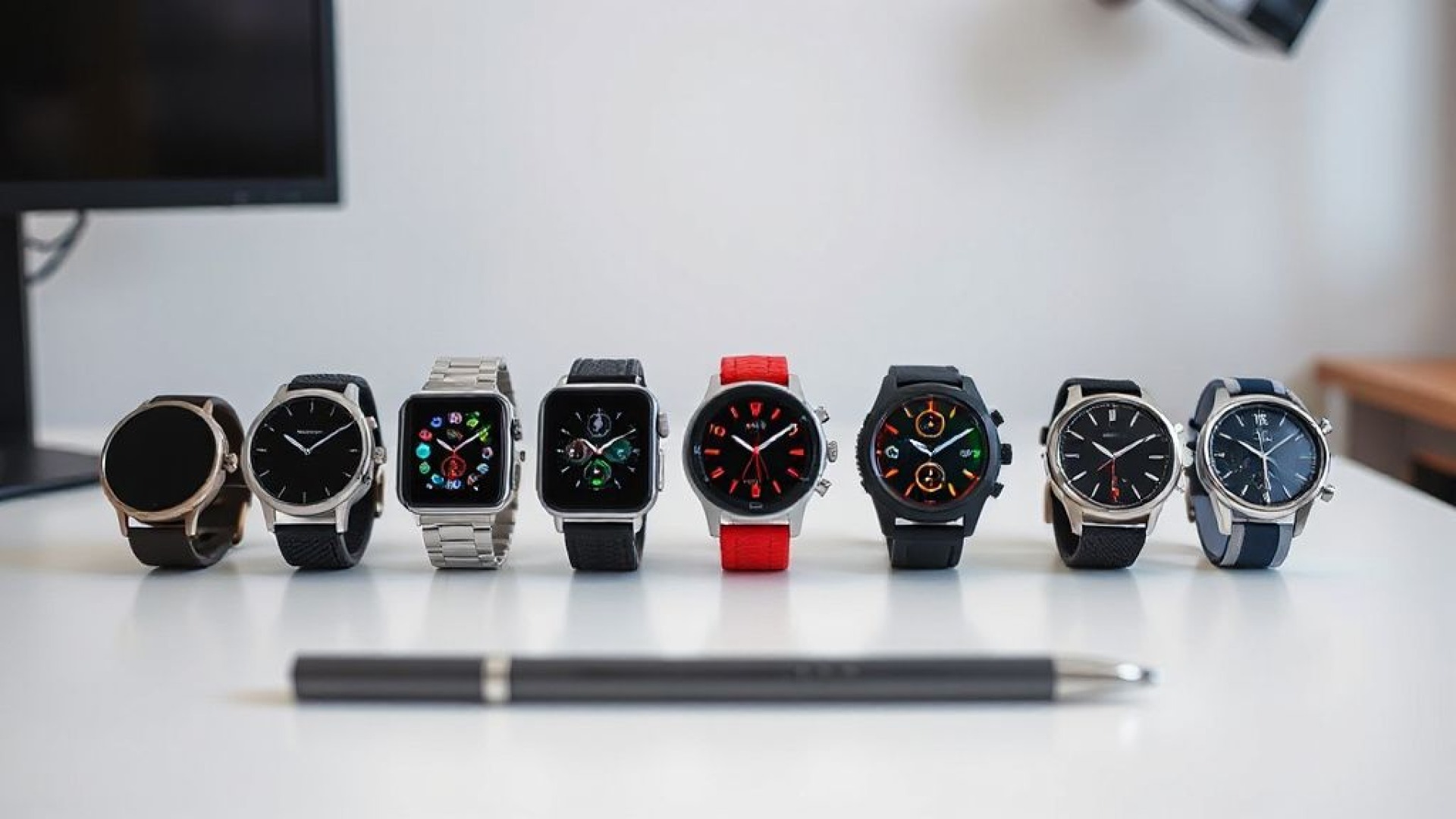
Tech Gadget Review
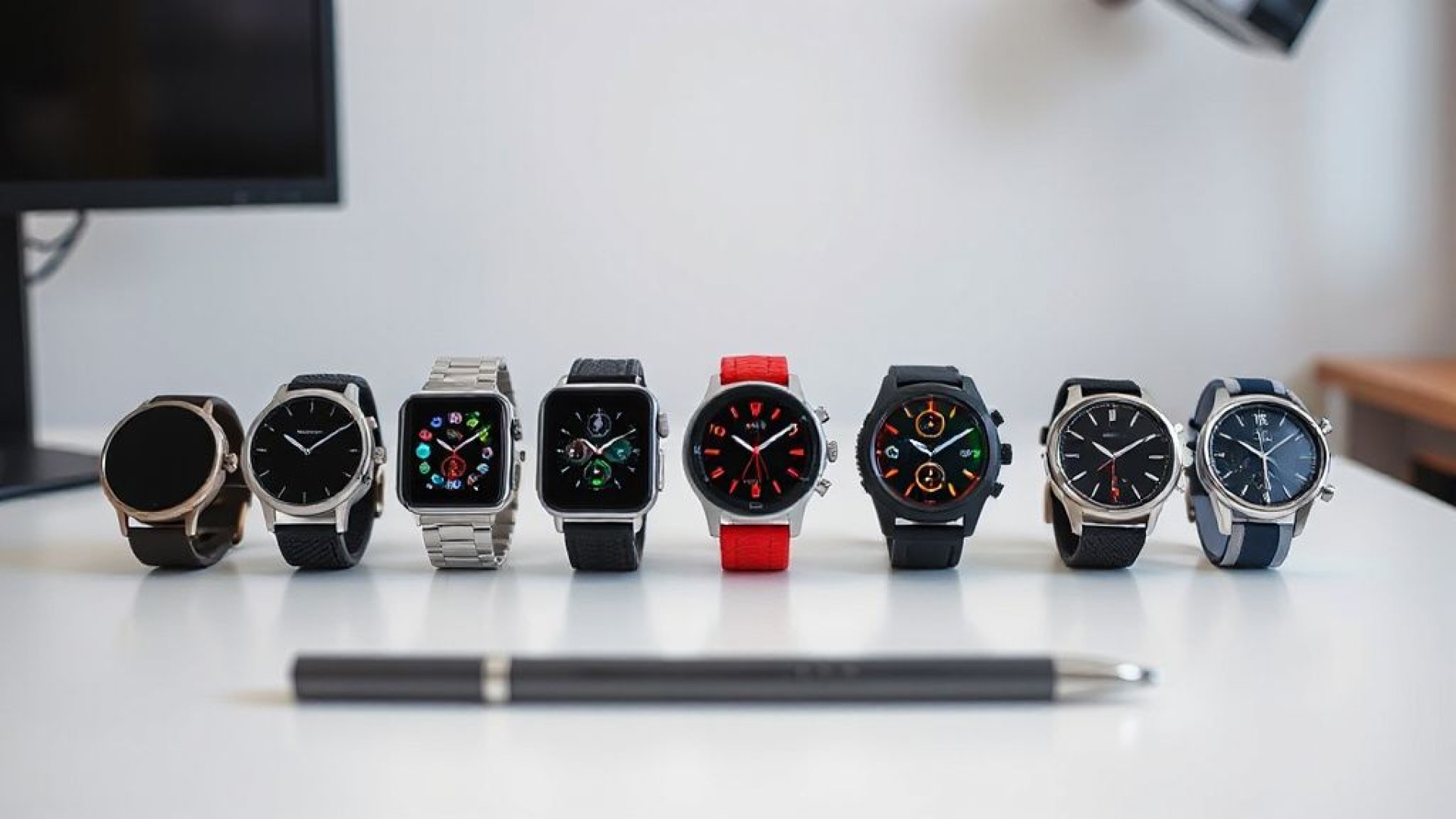
The Dawn of the Smartwatch Evolution
The Smartwatch Evolution is a fascinating journey. Early attempts at wearable computing date back decades. These were often clunky and limited. Think of the Seiko TV Watch from 1983. It offered basic television viewing. However, it lacked true ‘smart’ capabilities. The concept remained largely theoretical. True innovation required significant technological leaps.
Advances in miniaturization were necessary. Furthermore, battery technology needed improvement. The groundwork was thus laid for future advancements. Early digital watches were a precursor. They introduced microprocessors to wrists. These devices were primarily for timekeeping. Some offered basic calculators or alarms. Nevertheless, they planted the seed. They showed the potential for wrist-worn electronics.
The idea of a connected device began to form. It was a slow but steady progression. Many companies explored different avenues. The vision was becoming clearer over time. Several key challenges persisted. Power consumption was a major hurdle. Display technology was also primitive. User interface design was rudimentary. Connectivity options were virtually non-existent.
Despite these obstacles, the dream endured. Visionaries continued to push boundaries. They believed in the future of wearables. This period was essential for learning. It highlighted what was possible and what wasn’t. The lessons learned were invaluable. They shaped the devices we see today.
Key Milestones in Smartwatch Evolution
The modern Smartwatch Evolution truly accelerated in the 21st century. The Pebble smartwatch, launched in 2012, was a pivotal moment. It successfully crowdfunded, demonstrating strong consumer interest. This device focused on notifications and basic apps. It offered a monochrome e-paper display. This allowed for excellent battery life. Consequently, it became a cult hit.
Apple’s entry with the Apple Watch in 2015 marked another significant shift. It brought a premium aesthetic and a robust app ecosystem. Its focus on health and fitness tracking was groundbreaking. Furthermore, it integrated seamlessly with the iPhone. This cemented the smartwatch as a mainstream accessory. Samsung also played a necessary role.
Its Galaxy Watch series offered Android users compelling alternatives. These devices often featured advanced health sensors. They also boasted sophisticated operating systems. Here are some defining features that emerged:
- Display Technology: From monochrome LCD to pigmented AMOLED and always-on displays.
- Sensors: Introduction of heart rate monitors, accelerometers, gyroscopes, and GPS.
- Connectivity: Bluetooth pairing, Wi-Fi, and cellular (LTE) options became standard.
- Operating Systems: Dedicated watch OS platforms offering app stores and complex interfaces.
- Health & Fitness: Advanced tracking for steps, calories, sleep, ECG, blood oxygen, and more.
These advancements collectively transformed the device.
It evolved from a simple notification mirror to a powerful personal assistant.
Performance Metrics and User Experience
Evaluating the Smartwatch Evolution requires looking at performance. Modern smartwatches offer impressive capabilities. Processing power has increased dramatically. This allows for smoother app performance. Battery life remains a key consideration. Most flagship devices now last one to two days. Some specialized models achieve longer durations. For example, the Garmin Fenix series can last weeks in smartwatch mode.
User experience is paramount. Intuitive interfaces are essential. Touchscreens are now standard. Haptic feedback enhances interaction. Voice assistants provide hands-free control. The integration with smartphones is seamless. Notifications are delivered instantly. Calls can be answered directly from the wrist. Music control is also a common feature. Key performance indicators include:
| Metric | Typical Range (2023-2024) |
|---|---|
| Battery Life (Full Charge) | 1-3 days (standard use) |
| Water Resistance | 5 ATM (swimming) to 10 ATM (diving) |
| Processor Speed | Dual-core to Quad-core ARM processors |
| Storage | 8 GB to 32 GB (for apps and music) |
| Display Resolution | 300+ PPI (pixels per inch) |
These metrics underscore the sophistication. The Smartwatch Evolution continues to impress.
The Future of Smartwatch Evolution
The future of the Smartwatch Evolution looks incredibly bright. We can expect even more advanced health monitoring. Non-invasive blood glucose monitoring is a highly anticipated development. Furthermore, enhanced sleep tracking will provide deeper insights. Integration with augmented reality (AR) is also on the horizon. This could lead to entirely new user interactions.
Battery technology will undoubtedly improve. Solid-state batteries could offer significant gains. Energy harvesting technologies might also play a role. This would reduce the need for frequent charging. The devices will become more integrated with our lives. They will act as central hubs for personal data. Seamless connectivity will be ubiquitous.
Looking ahead, consider these possibilities:
- Advanced Health Sensors: Continuous monitoring of hydration, stress levels, and potentially even early disease detection.
- Extended Battery Life: Technologies aiming for weeks of use on a single charge.
- AR Integration: Displaying contextual information directly in the user’s field of view via the watch.
- Biometric Authentication: Using unique physiological markers for secure device access.
- AI-Powered Personalization: Watches that learn user habits and proactively offer assistance.
Ultimately, the Smartwatch Evolution is far from over.
It promises a future of unprecedented convenience and insight.
👉 Access verified research updates and ongoing coverage directly on zeudytech.com. Cross-reference verified technical records via TechRadar.