Veto’s Shadow: UN Security Council’s Grip on Global Conflict Resolution Under Scrutiny
The Veto's Chokehold: Impeding Peace in Real-Time
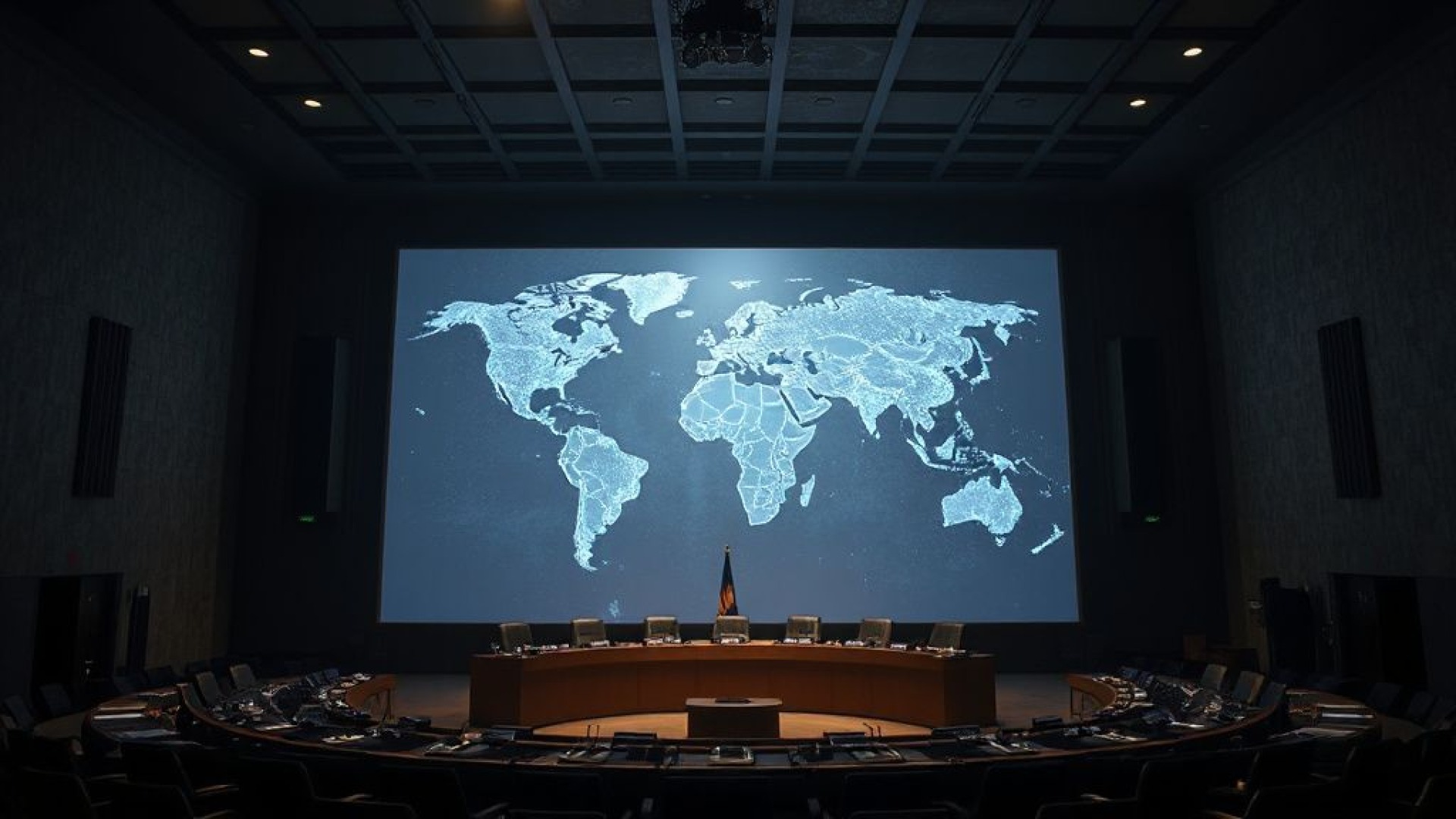
The United Nations Security Council stands at a critical juncture. Its effectiveness in resolving global conflicts faces intense scrutiny. At the core of this debate lies the veto power. Permanent members can unilaterally block any substantive resolution. This mechanism, intended to prevent hasty action, now frequently paralyzes the Council.
Consequently, urgent humanitarian crises fester unresolved. Geopolitical rivals exploit this procedural deadlock. They weaponize the veto to shield allies or advance narrow interests. This dynamic directly undermines the UN’s foundational mission. It erodes faith in multilateral diplomacy. The impact on global conflict resolution is profound and deeply concerning.
Case Study: Syria – A Decade of Stalemate
Syria offers a stark illustration. Russia and China have repeatedly used their vetoes. These actions blocked resolutions aimed at accountability. They also hindered efforts for a political transition. In practice, this has prolonged immense suffering. Civilians bear the brunt of this inaction. Humanitarian aid delivery faces constant obstacles.
The Security Council’s inability to act decisively fuels the conflict. It emboldens warring factions. Meanwhile, international efforts for peace remain fragmented. This persistent deadlock highlights the veto’s corrosive effect. It shows how procedural rights can override collective security imperatives. The paralysis extends beyond Syria’s borders.
Institutional Inertia vs. Diplomatic Urgency
The Security Council’s structure inherently creates tension. Permanent members wield disproportionate power. Their national interests often diverge sharply. This divergence leads to frequent gridlock. Yet, the world demands swift responses to crises. The veto power, therefore, represents a fundamental challenge. It pits institutional inertia against pressing diplomatic urgency.
Reform proposals often stall at the same hurdle. Any meaningful change requires consensus among those with veto power. This presents a classic Catch-22 scenario. The very body meant to ensure peace is hobbled by its own design. This paradox fuels calls for reform, but progress remains elusive.
Economic and Political Ramifications of Veto-Driven Stalemate
The consequences ripple far beyond the immediate conflict zone. Veto-driven stalemates discourage foreign investment. They destabilize regional economies. International law enforcement weakens. Global governance structures appear fragile. At its core, this reflects a crisis of legitimacy for the UN. When powerful nations can unilaterally defy global consensus, trust erodes.
This creates fertile ground for unilateral actions. It encourages a return to power politics. Consequently, the pursuit of collective security becomes more difficult. The Security Council’s effectiveness is directly tied to its perceived impartiality. The veto power, in its current application, challenges this perception daily.
Investigating the Impact of Veto Power on Global Conflict Resolution: Path Forward?
United Nations Security Council: Investigating the impact of veto power on global conflict resolution demands innovative thinking. Incremental reforms may offer limited relief. Proposals include voluntary restraint agreements. Others suggest expanding the Council’s permanent membership. Some advocate for mechanisms to override a veto in cases of mass atrocities.
Still, these solutions face significant political hurdles. The entrenched interests of the P5 are formidable. Nevertheless, sustained diplomatic pressure is crucial. Civil society organizations play a vital role. They amplify calls for accountability. Ultimately, restoring the Council’s credibility hinges on addressing the veto’s pervasive influence.
The path forward requires courage and a commitment to multilateralism’s ideals. Official video coverage of debates offers glimpses into these complex negotiations.
United Nations Security Council: Investigating the impact of veto power on global conflict resolution
Intelligence Executive Brief: This report details how the veto power wielded by permanent members of the UN Security Council obstructs effective global conflict resolution, citing specific case studies and exploring institutional and geopolitical ramifications.
- ✦ The veto power allows any of the five permanent members (P5) to block substantive Security Council resolutions.
- ✦ Repeated vetoes have paralyzed action on critical conflicts, notably in Syria.
- ✦ The mechanism often prioritizes national interests over collective security objectives.
- ✦ Calls for Security Council reform, including limitations on veto use, persist but face significant political obstacles.
⚖️ Editorial Assessment: The pervasive use of the veto power significantly undermines the UN Security Council's mandate to maintain international peace and security, necessitating urgent structural and procedural reforms.
👉 Experience the visual edition: Watch the Web Story ⚡. Access verified research updates directly on zeudytech.com. Cross-reference technical records via United Nations Official Portal.