Maritime Chokepoints Under Siege: Global Supply Chains Face Unprecedented Strain as Geopolitical Tensions Escalate
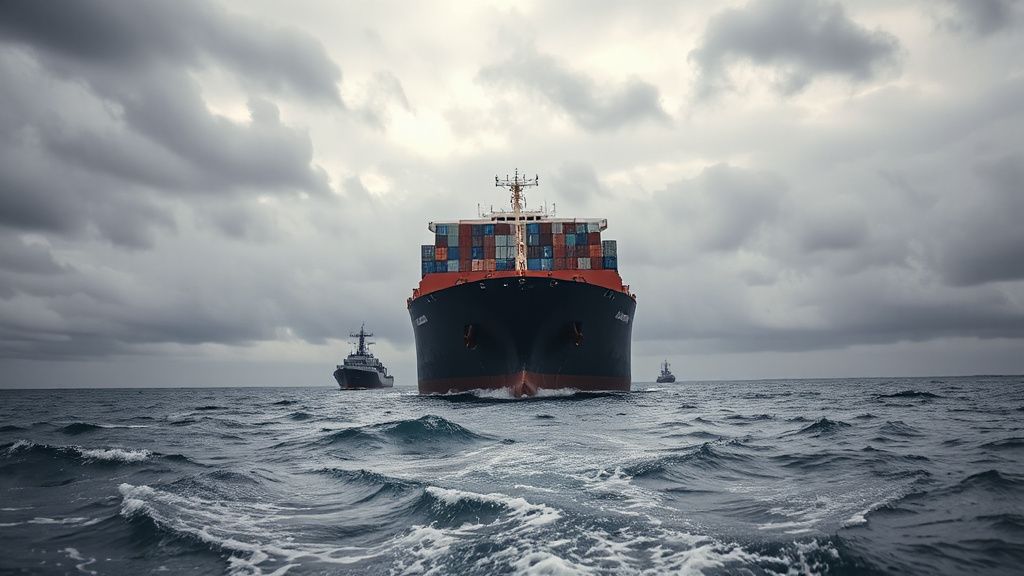
Navigational Hazards: The Growing Peril at Global Maritime Chokepoints
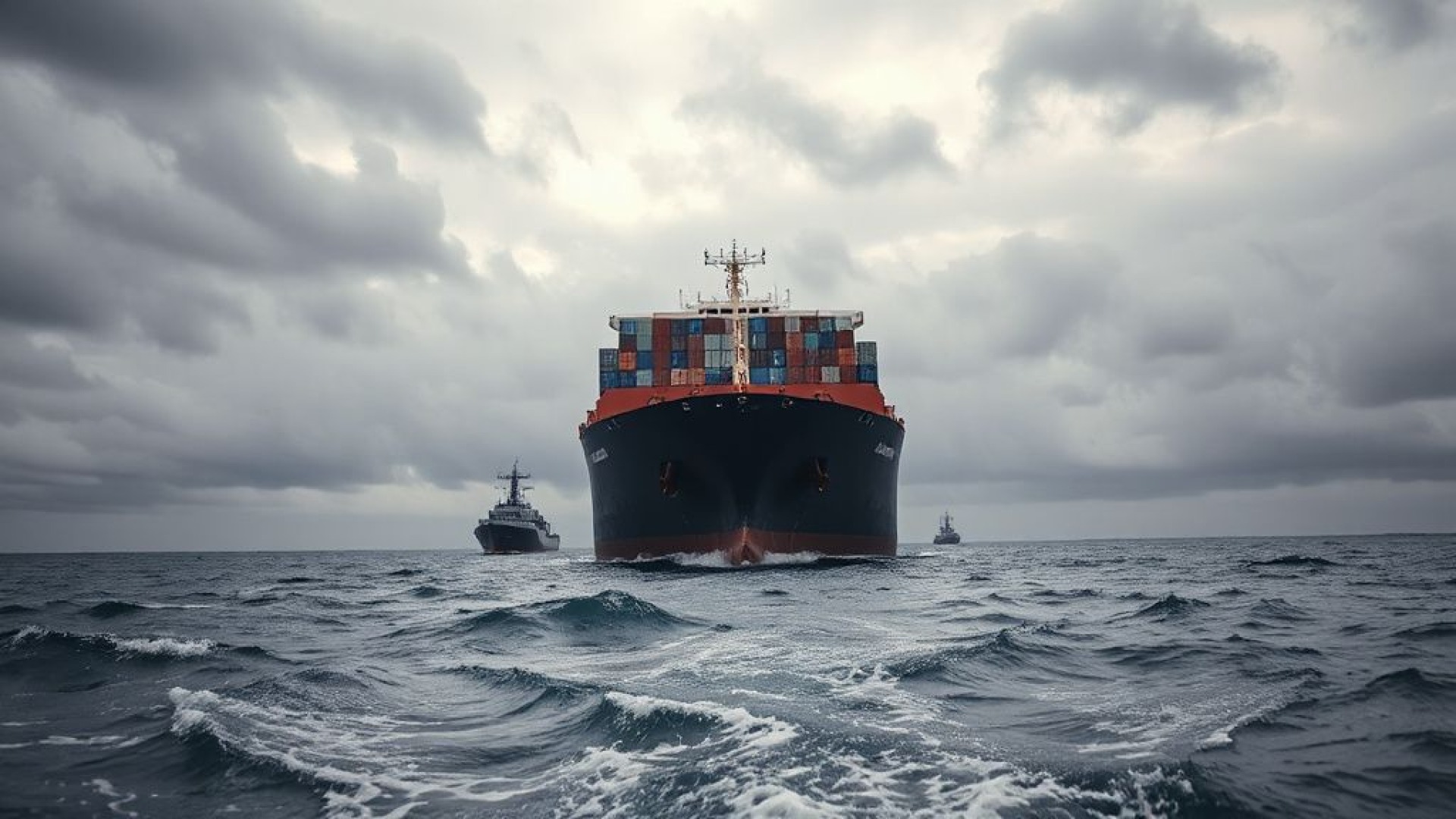
The arteries of global commerce, critical maritime chokepoints, are experiencing unprecedented strain. These narrow waterways, vital for the uninterrupted flow of goods, are increasingly vulnerable to geopolitical machinations and operational disruptions. The Suez Canal, the Strait of Hormuz, and the Strait of Malacca, among others, are no longer mere geographical features but flashpoints for international tension.
This fragility directly impacts Global Supply Chains: Critical Maritime Chokepoint Logistics Under Strain. Recent incidents, from naval posturing to environmental challenges, highlight the precarious balance upon which international trade precariously rests. Official video coverage details the escalating situation.
Institutional Responses to Escalating Maritime Vulnerabilities
Governments and international bodies are grappling with the multifaceted challenges posed by these strained chokepoints. The International Maritime Organization (IMO) is actively reviewing maritime security protocols. Concurrently, bilateral agreements are being re-evaluated to ensure transit rights and de-escalate potential conflicts. The U.S. Department of Defense, through its Fifth Fleet operations in the Persian Gulf, maintains a visible presence aimed at deterring aggression.
Diplomatic channels are working overtime to foster dialogue and prevent miscalculation. Yet, the underlying geopolitical rivalries persist, casting a long shadow over the stability of these crucial trade routes.
Economic Ramifications: Quantifying the Cost of Disruption
The economic fallout from disruptions at maritime chokepoints is substantial and far-reaching. Shipping costs surge as rerouting becomes necessary, adding days and significant expense to transit times. This directly translates to higher consumer prices and impacts inflation metrics globally. Businesses reliant on just-in-time inventory management face critical shortages and production halts.
Market telemetry indicates potential supply volatility. The World Trade Organization (WTO) monitors these trade flow impediments, assessing their impact on global economic growth projections. Consequently, industries are urgently seeking diversification strategies to mitigate future risks.
Case Study: The Strategic Importance of the Strait of Hormuz
The Strait of Hormuz, a vital maritime chokepoint connecting the Persian Gulf to the open ocean, serves as a stark illustration of current geopolitical pressures. Approximately one-fifth of global oil consumption transits through this narrow waterway. Tensions between Iran and several regional and international powers frequently manifest in this area.
Naval exercises and rhetoric can quickly elevate the risk of accidental or intentional disruption. The U.S. Coast Guard, in coordination with regional partners, conducts maritime security operations. Specifically, ensuring freedom of navigation remains a paramount concern for global energy security.
Technological and Operational Innovations for Resilience
In response to these escalating pressures, the maritime industry and allied nations are investing in technological and operational innovations. Advanced surveillance systems and real-time threat assessment tools are being deployed to monitor chokepoint activity. The development of autonomous shipping and improved vessel tracking capabilities promises greater efficiency.
Beyond that, contingency planning and the establishment of alternative shipping routes are gaining traction. At its core, the objective is to build greater resilience into Global Supply Chains: Critical Maritime Chokepoint Logistics Under Strain. Equally critical is the ongoing dialogue between public and private sector entities to harmonize efforts.
Global Supply Chains: Critical Maritime Chokepoint Logistics Under Strain
Intelligence Executive Brief: Investigative dispatch detailing the escalating strain on critical maritime chokepoints and its profound impact on global supply chains, supported by official video coverage of key geopolitical developments.
- ✦ [International Maritime Organization (IMO)]: Reviewed maritime security protocols for critical chokepoints.
- ✦ [U.S. Department of Defense (Fifth Fleet)]: Maintains operational presence in the Persian Gulf to deter aggression.
- ✦ [World Trade Organization (WTO)]: Monitors trade flow impediments and assesses global economic impact.
⚖️ Editorial Assessment: Authoritative analysis of the geopolitical and economic vulnerabilities inherent in critical maritime chokepoints, underscoring the urgent need for enhanced global supply chain resilience.
👉 Experience the visual edition: Watch the Web Story ⚡. Access verified research updates directly on zeudytech.com. Cross-reference technical records via International Press & Verified Wire Repository.