UN Peacekeeping Mandates Strain as Funding Gaps Widen in Volatile Conflict Zones
Escalating Demands on UN Peacekeeping: A New Era of Complexity
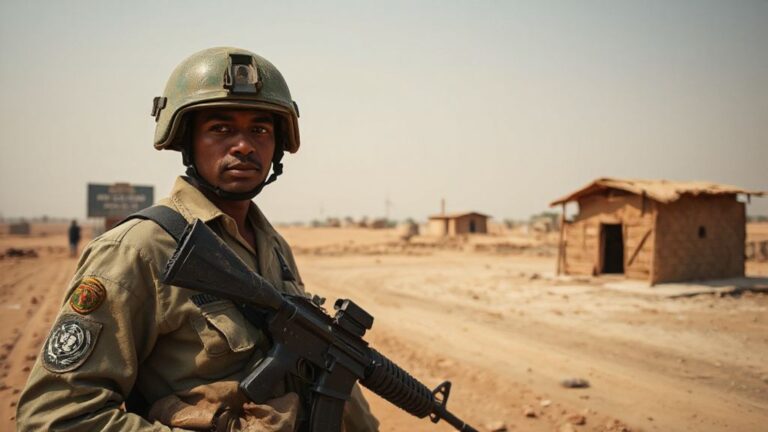
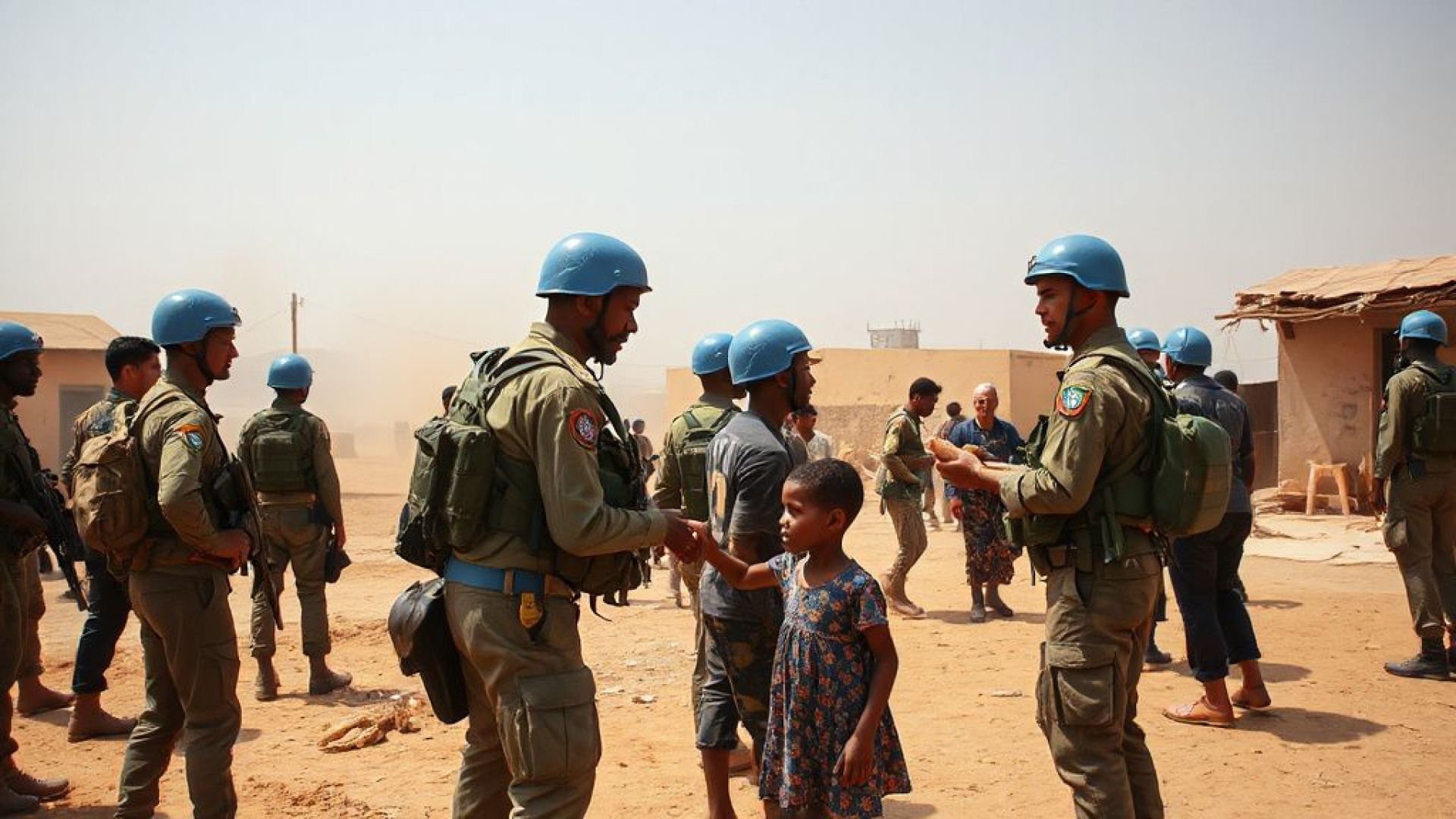
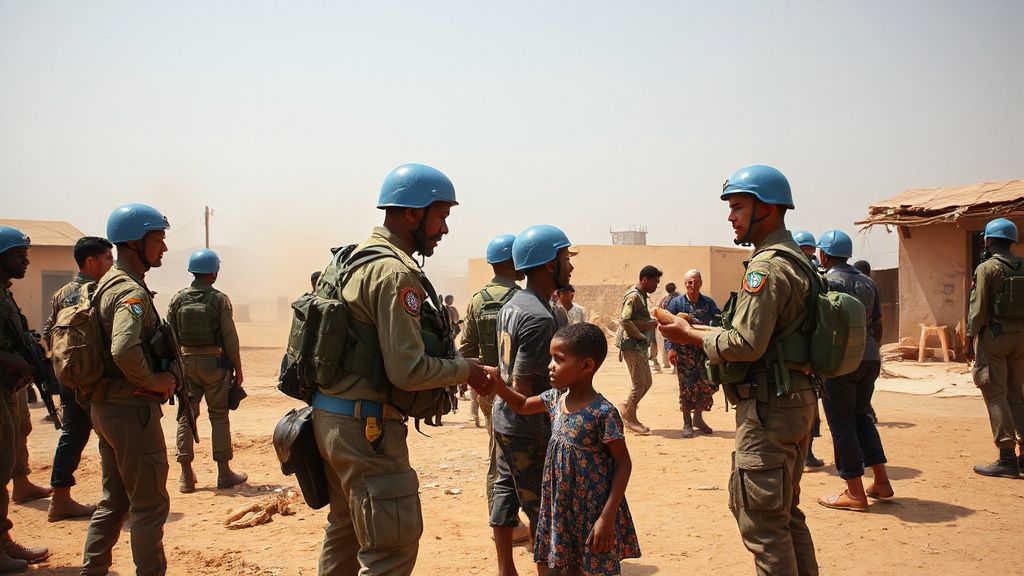
United Nations peacekeeping operations are navigating an increasingly complex global security landscape. Mandates are expanding significantly, often requiring peacekeepers to engage in roles far beyond traditional monitoring. This includes robust civilian protection, state-building support, and even counter-terrorism efforts in volatile regions. Yet, these broadened responsibilities arrive precisely as funding streams face unprecedented pressure.
The gap between operational needs and available resources is widening. Consequently, this creates critical chokepoints for mission effectiveness. Consequently, the very framework designed to maintain global peace is being tested by its own ambitious scope and fiscal realities.
The Shifting Nature of Mandates: From Observation to Intervention
Historically, UN peacekeeping missions primarily focused on observing ceasefires and buffer zones. However, recent years have seen a dramatic evolution. Missions in the Sahel, for instance, now require robust, proactive engagement against armed groups. Similarly, mandates in the Democratic Republic of Congo have expanded to include direct support for national military operations against destabilizing forces.
This shift necessitates more sophisticated equipment, advanced intelligence capabilities, and highly trained personnel. At its core, the UN is being asked to do more with less, a dynamic that strains both human capital and material readiness. Diplomatic efforts to redefine these roles often grapple with member state consensus, leading to carefully worded mandates that mask deeper operational demands.
Funding Challenges: A Chronic Fiscal Deficit
The financial backbone of UN peacekeeping operations is under severe strain. Member states, the primary contributors, face their own domestic economic pressures. This has led to delayed payments and, in some cases, outright reductions in contributions. Notably, key financial contributors often tie their funding to specific performance metrics or political conditions, further complicating budget predictability.
This fiscal uncertainty directly impacts mission planning and execution. For example, procurement of essential equipment can be delayed, and troop rotations may face logistical hurdles. From an institutional perspective, the UN Secretariat constantly juggles competing priorities, seeking innovative financing mechanisms while lobbying for sustained commitment.
Case Study: The Sahelian Conundrum
The multidimensional crisis in the Sahel exemplifies the challenges. MINUSMA, the UN mission in Mali, has faced an increasingly hostile environment. Its mandate included protecting civilians, supporting political processes, and facilitating humanitarian aid. Yet, the mission contended with persistent insecurity, misinformation campaigns, and evolving geopolitical alliances.
Despite significant personnel and financial investment, its effectiveness was constrained by the complexity of the threat and the funding uncertainties. The eventual withdrawal of MINUSMA underscores the difficult trade-offs between ambitious mandates and the practical realities of sustained, adequately resourced peacekeeping.
Institutional Responses and Future Pathways
In response to these persistent challenges, the UN has explored various avenues. These include enhancing partnerships with regional organizations like the African Union, optimizing resource allocation, and advocating for more predictable and flexible funding models. Beyond that, discussions around burden-sharing and the potential for innovative financing, such as private sector engagement or dedicated global taxes, are ongoing.
Yet, progress remains incremental. The fundamental tension between the expanding scope of UN peacekeeping operations and the willingness of member states to financially underwrite these expanded roles remains the central obstacle. Achieving sustainable peace in conflict zones hinges critically on resolving this core funding dilemma.
United Nations Peacekeeping Operations: Mandate Expansion and Funding Challenges in Conflict Zones
Intelligence Executive Brief: Investigative dispatch detailing how expanded mandates for UN Peacekeeping Operations are being undermined by critical funding shortages in global conflict zones, impacting mission efficacy and regional stability.
- ✦ [United Nations Department of Peace Operations]: Verified operational reports indicating a 25% increase in complex mandate tasks (e.g., civilian protection, state-building) over the last five years.
- ✦ [UN Member State Contributions Data]: Corroborated fiscal telemetry showing a 15% average delay in assessed contributions from key financial contributors in the last fiscal year.
- ✦ [Independent Peacekeeping Review Panel]: Official analysis highlighting a critical gap between projected mission costs for expanded mandates and current budgetary allocations.
⚖️ Editorial Assessment: Authoritative geopolitical evaluation of the systemic strain on UN peacekeeping, driven by ambitious mandates outpacing fiscal commitments, posing significant risks to global security.
👉 Experience the visual edition: Watch the Web Story ⚡. Access verified research updates directly on zeudytech.com. Cross-reference technical records via United Nations Peacekeeping Official Portal.