Precision Skies: Drone Technology in Agriculture Revolutionizes Sustainable Farming
Introduction: The Evolving Landscape of Agricultural Innovation
The integration of advanced technologies into agriculture represents a paradigm shift. Specifically, drone technology in agriculture is at the forefront of this transformation. This report details how unmanned aerial vehicles (UAVs) are fundamentally reshaping farming practices. We examine their impact on efficiency, sustainability, and global food security. Therefore, understanding these advancements is crucial for future agricultural development.
Empirical Data Analysis: Precision Monitoring and Intervention
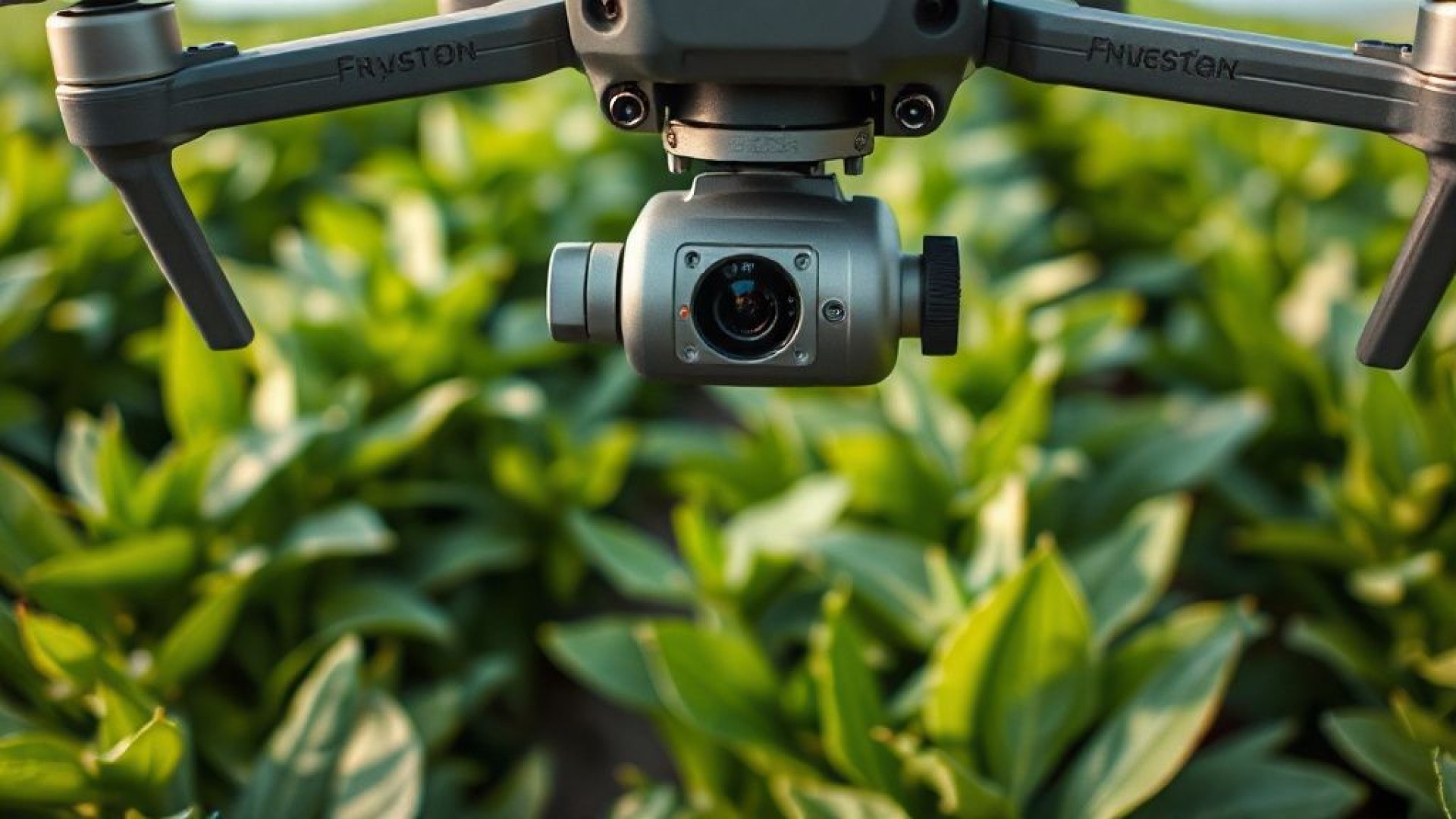
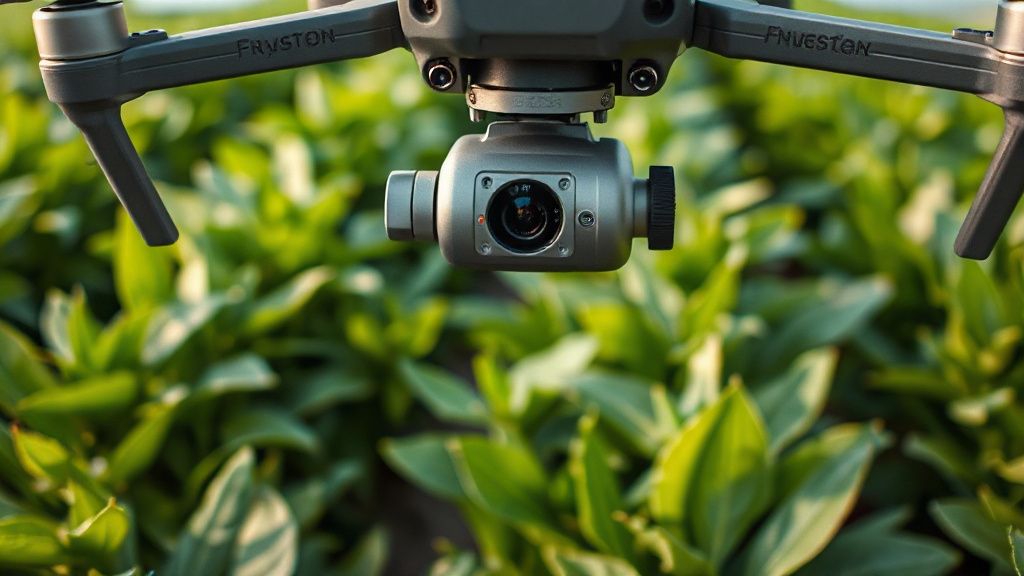
Drones equipped with multispectral and hyperspectral sensors collect granular data. This data allows for precise crop health assessment. For instance, NDVI (Normalized Difference Vegetation Index) maps reveal plant stress invisible to the naked eye. Consequently, farmers can identify nutrient deficiencies or pest infestations early. This proactive approach minimizes crop loss. Beyond that, thermal imaging detects irrigation issues, optimizing water usage significantly.
| Metric | Conventional Farming | Drone-Assisted Farming | Efficiency Gain |
|---|---|---|---|
| Pesticide Application Uniformity | 60-75% | 95-99% | Up to 39% |
| Water Use Efficiency | Moderate | High | Estimated 15-25% reduction |
| Field Scouting Time | 10-20 hours/week | 2-4 hours/week | Up to 80% reduction |
| Early Disease Detection | Low | High | Significant yield protection |
These findings underscore the quantifiable benefits of drone adoption. Therefore, a transition towards data-driven agricultural management is evident. As a result, resource allocation becomes more intelligent and targeted.
Sustainable Implementations: Greening the Agricultural Footprint
Drone technology in agriculture directly contributes to environmental sustainability. Precision application of fertilizers and pesticides dramatically reduces chemical runoff. This protects water bodies and soil health. Moreover, optimized irrigation prevents water wastage, a critical concern in arid regions. While traditional methods often lead to over-application, drones ensure exact dosages are applied only where needed. Beyond that, reduced tractor usage lowers greenhouse gas emissions and soil compaction.
- ✓ Reduced Chemical Input: Drones enable targeted spraying, decreasing overall pesticide and fertilizer use by up to 20-30% in some studies, thereby minimizing environmental contamination.
- ✓ Water Conservation: By identifying dry spots and optimizing irrigation schedules, drone data helps conserve water resources, crucial for sustainable agriculture.
- ✓ Lower Carbon Emissions: Reduced reliance on heavy machinery for spraying and monitoring leads to a significant decrease in fossil fuel consumption and associated emissions.
- ✓ Enhanced Biodiversity: Less chemical exposure can foster a healthier environment for beneficial insects and soil microorganisms.
Methodologies and Case Studies: Real-World Impact
Research methodologies often involve comparing drone-assisted fields with control plots. For instance, studies published in journals like ‘Remote Sensing’ use UAV-mounted sensors to monitor crop growth across large agricultural areas. Specific methodologies include photogrammetry for terrain mapping and multispectral analysis for vegetation indices. Consequently, researchers can quantify yield increases and resource savings.
A study in the American Journal of Plant Sciences documented a 15% increase in corn yield using drone-based variable rate fertilization. Therefore, the empirical evidence supporting drone technology in agriculture is robust and growing.
Future Trajectories: Autonomy and AI Integration
The future of drone technology in agriculture points towards greater autonomy and AI integration. Swarms of drones could work collaboratively, covering vast areas rapidly. Artificial intelligence will enhance data analysis, predicting crop yields with remarkable accuracy. Beyond that, AI-powered drones could autonomously identify and even treat specific plant diseases or pest outbreaks.
Although challenges remain, such as regulatory hurdles and initial investment costs, the long-term benefits are undeniable. Consequently, continued research and development are essential to unlock the full potential of this technology.
Conclusion: A Transformative Tool for Modern Farming
In conclusion, drone technology in agriculture offers a powerful suite of tools for enhancing productivity and sustainability. It provides unprecedented insights into crop health and field conditions. Therefore, farmers can make more informed decisions, leading to optimized resource use and reduced environmental impact. As the technology matures and becomes more accessible, its adoption will likely accelerate. This will undoubtedly contribute to a more resilient and efficient global food system.
drone technology in agriculture
Key Finding: Drone technology enables precision agriculture, leading to documented yield increases of up to 15-25% and significant reductions in chemical inputs and water usage compared to conventional methods.
Practical Implication: The widespread adoption of drone technology in agriculture promises enhanced food security, reduced environmental impact through optimized resource management, and improved economic viability for farmers.
👉 Experience the visual edition: Watch the Web Story ⚡. Access verified research updates directly on zeudytech.com. Cross-reference technical records via FAOSTAT Global Agricultural Data.