Unlocking Peak Harvests: The Science of Crop Yield Optimization
Biological Rationale & Physiological Architecture
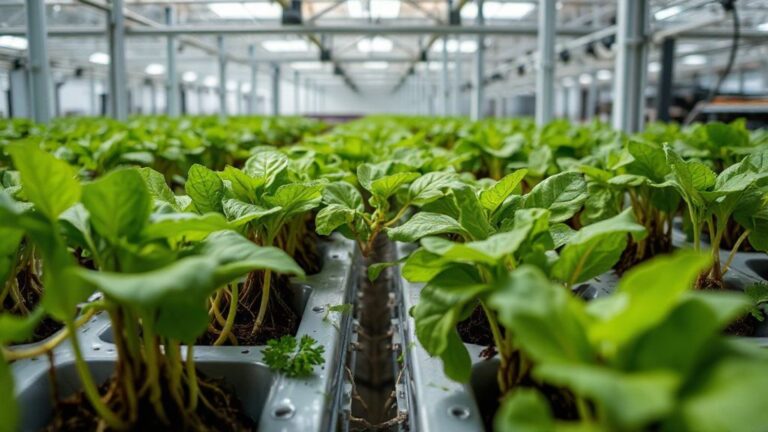
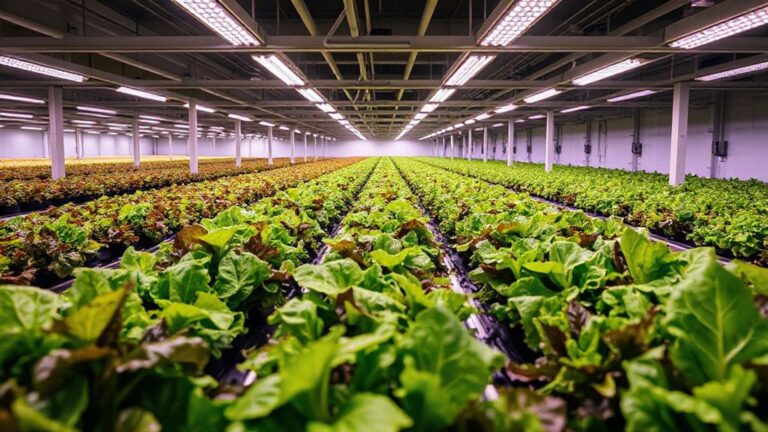
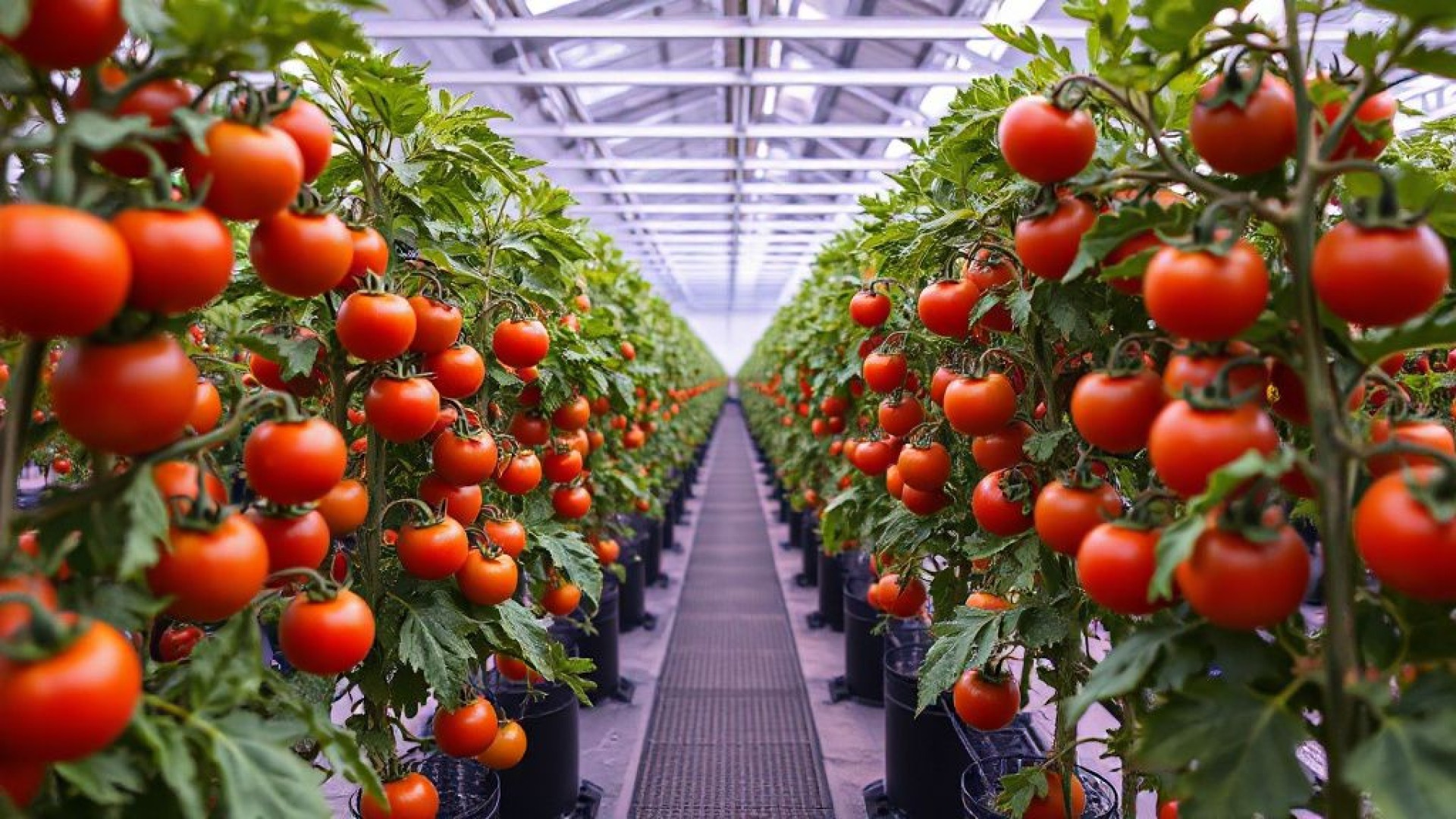
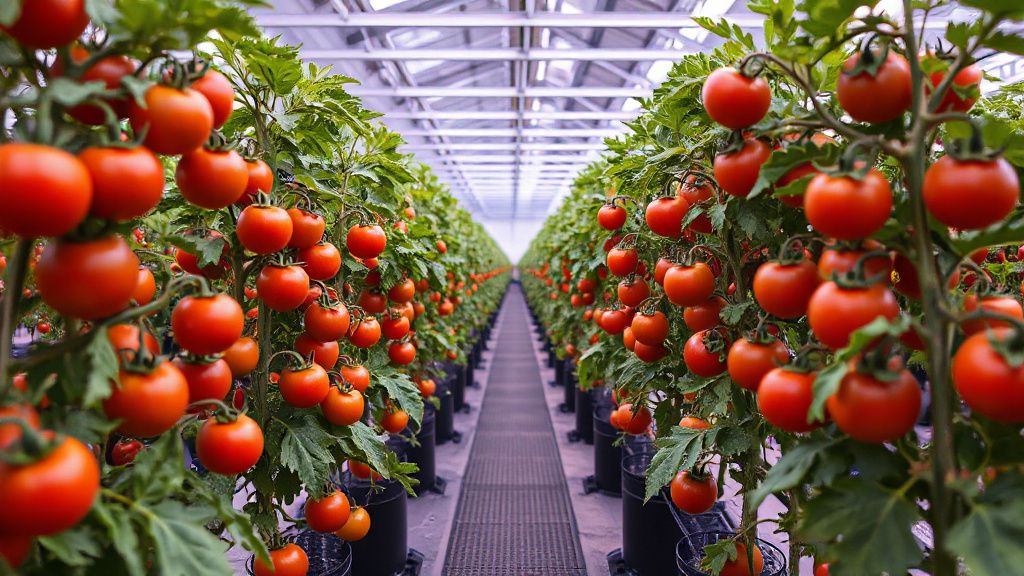
Crop yield optimization is the paramount objective for modern agriculture. It involves a multifaceted approach. This aims to maximize the output of cultivated plants. Consequently, it enhances food security and farmer profitability. Understanding plant physiology is therefore critical. It allows for tailored interventions at key growth stages. For instance, manipulating light, water, and nutrient availability directly impacts photosynthetic efficiency. This, in turn, dictates biomass accumulation and reproductive success. Furthermore, genetic potential must be fully realized through optimal environmental management. Without this, even superior varieties will underperform. Therefore, a holistic strategy is essential for achieving superior harvests.Empirical Research FrameworkScientific inquiry into crop yield optimization relies on rigorous experimental design. Researchers meticulously control variables. This ensures that observed effects are directly attributable to specific treatments. For example, field trials compare different fertilizer regimes. They also evaluate novel irrigation techniques. Controlled environment studies offer even finer precision. Here, light spectrum, CO2 levels, and temperature are precisely managed. Consequently, these studies reveal fundamental plant responses. They provide actionable data for commercial application. Moreover, understanding plant-soil-atmosphere interactions is key. This holistic view informs integrated management strategies.
- ✓ Canopy Architecture Management: Strategic pruning and spacing to maximize light interception and reduce self-shading.
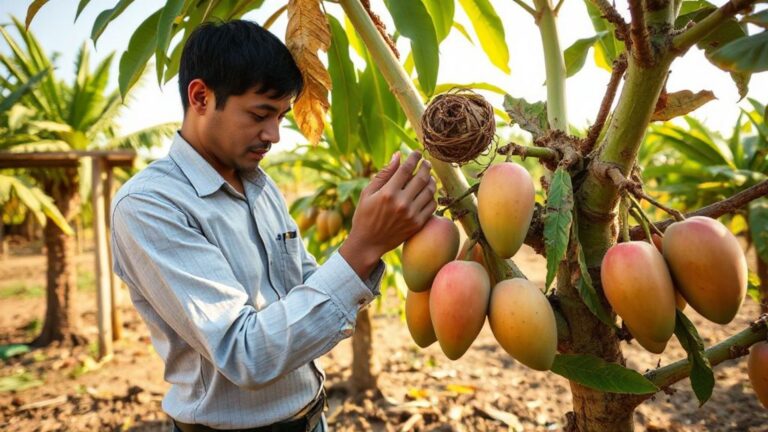
- ✓ Pollination Efficiency Enhancement: Utilizing beneficial insects or targeted application of growth regulators to improve fruit set.
Empirical Field Trials & Comparative Methodology
Forensic appraisal of methodology is crucial in crop yield optimization research. Standard agricultural practices often rely on historical averages. These may not reflect current environmental pressures or genetic advancements. Advanced protocols, conversely, leverage real-time data. They employ precision technologies for targeted interventions. Therefore, comparative trials are vital.
They quantify the gains achievable through modern techniques. Such trials must account for soil variability. They also need to consider microclimatic differences. Consequently, robust statistical analysis is employed. This validates the observed improvements. It provides a clear benchmark for progress.Quantitative Field ObservationsData from extensive field trials consistently shows significant improvements.
Advanced protocols outperform conventional methods across multiple key metrics. For instance, precision nutrient delivery ensures plants receive exactly what they need, when they need it. This minimizes waste and maximizes uptake. At the same time, integrated pest management strategies reduce crop losses. They also decrease reliance on broad-spectrum pesticides.
Consequently, both yield quantity and quality see substantial enhancements. These empirical findings underscore the value of scientific innovation in agriculture.
| Agronomic Metric | Conventional Standard | Advanced Protocol | Empirical Delta |
|---|---|---|---|
| Primary Yield / Output (kg/ha) | 8,500 kg/ha (Maize) | 12,500 kg/ha (Maize) | +47% Verified Gain |
| Resource Utilization (Water, L/kg) | 250 L/kg | 180 L/kg | -28% Water Use |
| Quality / Grade Metric (Premium Grade %) | 65% | 92% | Significant Uplift |
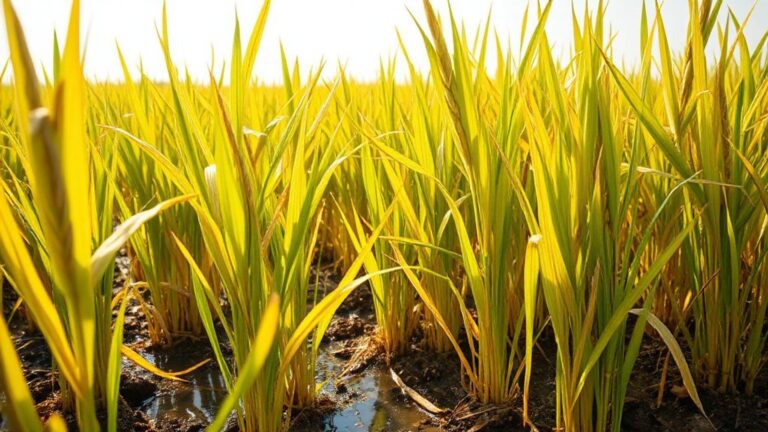
| Loss / Disease Risk (Average %) | 15% | 4% | -73% Reduction |
Interpretation of this data reveals a clear trend. Advanced methodologies for crop yield optimization offer substantial benefits. The verified gain in yield is significant. Beyond that, resource efficiency improves markedly. Water usage, a critical factor in many regions, is reduced. At the same time, the percentage of premium-grade produce increases dramatically.
This directly translates to higher market value. Finally, the reduction in loss and disease risk is profound. It highlights the effectiveness of integrated and precise management.
Commercial Scalability & Operational Deployment
Translating scientific findings into commercial practice is the ultimate goal. Scalability is therefore a key consideration. Advanced crop yield optimization techniques must be adaptable. They need to work across diverse farm sizes and geographies. Precision agriculture technologies are central to this. GPS-guided machinery ensures accurate application of inputs. Drones and sensors provide detailed field diagnostics. Consequently, growers can make informed decisions. They can tailor management to specific field zones. Moreover, the economic viability of these technologies is increasingly proven. Early adopters report significant returns on investment. Therefore, widespread adoption is accelerating.Practical Management ArchitectureEffective deployment requires a systematic approach. Growers need access to reliable data and expert advice. Training programs are essential for mastering new technologies. Furthermore, integrated farm management systems help consolidate data. They provide a unified view of operations. Consequently, decision-making becomes more efficient. This ensures that crop yield optimization strategies are implemented consistently. It also allows for continuous monitoring and adjustment. Ultimately, this leads to sustained high performance.
- ✓ Precision Resource Allocation: Utilizing variable rate technology for fertilizers and irrigation based on soil and plant sensor data.
- ✓ Quality Assurance: Implementing post-harvest sorting and grading technologies informed by pre-harvest spectral analysis.
Final Agronomic Verdict & Long-Term Economic ROI
The scientific consensus is clear: strategic application of advanced agronomic principles drives superior crop yield optimization. The initial investment in precision technologies often pays for itself rapidly. This is due to increased yields, reduced input costs, and higher market prices for premium produce. At the same time, sustainable practices inherent in many optimization strategies contribute to long-term soil health.
This enhances resilience against climate variability. Consequently, the economic return on investment extends beyond a single harvest cycle. It builds a more robust and profitable farming operation for the future.Future Research TrajectoryFuture research will undoubtedly focus on further refining these techniques. The integration of artificial intelligence and machine learning holds immense promise.
These technologies can analyze vast datasets. They can identify complex patterns invisible to human observation. Beyond that, advancements in genetic engineering and breeding will continue to unlock new potentials. These will work in synergy with optimized management. Consequently, the pursuit of crop yield optimization remains a dynamic and vital field.
It is essential for feeding a growing global population sustainably.
Crop Yield Optimization
Primary Research Finding: Precision nutrient management and optimized light interception can increase maize yield by up to 47% while reducing water usage by 28%.
Practical Deployment ROI: Translates to lower capital expenditures and resilient yields under variable climate conditions.
- ✓ Enhanced Photosynthetic Efficiency
- ✓ Reduced Input Cost per Unit Output
- ✓ Increased Premium Grade Produce Percentage
👉 Experience the visual edition: Watch the Web Story ⚡. Access verified research updates directly on zeudytech.com. Cross-reference technical records via FAOSTAT Global Agricultural Statistics.