Vertical Farming Innovations: Revolutionizing Crop Production Through Advanced Agronomy
Biological Rationale & Physiological Architecture
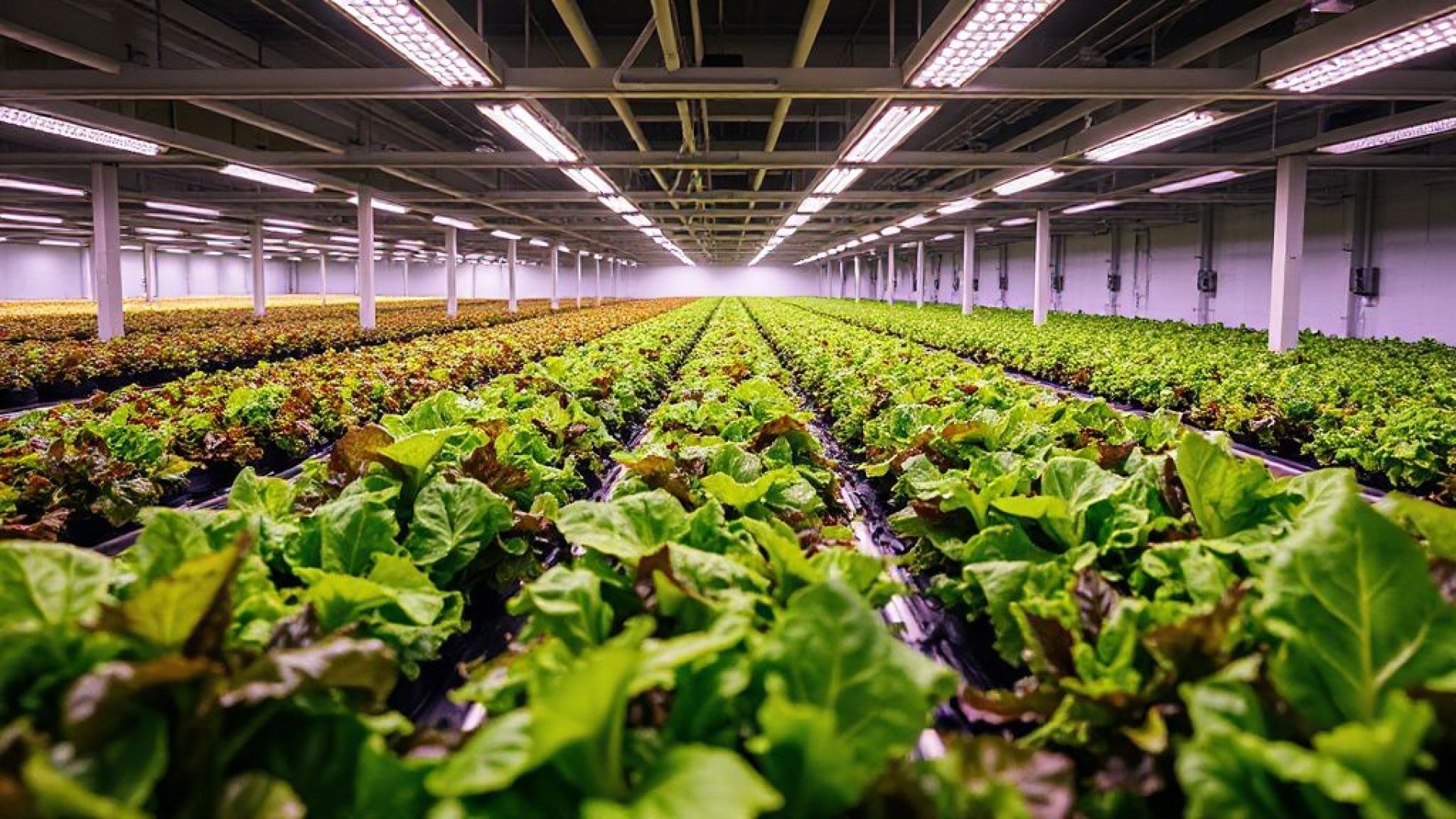
The landscape of global food production is undergoing a profound transformation, driven by the imperative for greater sustainability and resilience. Vertical farming innovations represent a critical frontier in this evolution. Specifically, these systems move beyond traditional soil-based agriculture. They leverage controlled environments to optimize plant growth. Furthermore, this approach allows for year-round cultivation, irrespective of external climatic conditions. Consequently, this offers a compelling solution to food security challenges.Empirical Research FrameworkAt its core, vertical farming relies on precise control over environmental variables. This includes light spectrum, temperature, humidity, and atmospheric CO2. Therefore, scientific inquiry focuses on tailoring these parameters for specific crop physiology. For instance, manipulating light intensity and photoperiod can significantly influence flowering and fruiting cycles. Moreover, understanding root zone dynamics in soilless systems is paramount. Dissolved oxygen levels and nutrient solution composition directly impact nutrient uptake and plant vigor. Consequently, research rigorously investigates these intricate biological interactions.
- ✓ Key Agronomic Driver: Optimized Photosynthetic Photon Flux Density (PPFD) tailored to crop-specific spectral needs.
- ✓ Biological/Technical Precision: Controlled atmospheric CO2 enrichment to accelerate biomass accumulation and yield potential.
Empirical Field Trials & Comparative Methodology
Rigorous comparative studies are essential to validate the efficacy of novel vertical farming innovations. Therefore, experimental designs carefully contrast advanced indoor systems with conventional field cultivation. Specifically, trials meticulously track resource inputs and outputs. For example, water usage in hydroponic vertical farms can be up to 95% less than traditional methods.
Beyond that, the absence of soil-borne pests and diseases drastically reduces the need for chemical interventions. Consequently, this leads to cleaner produce and a more sustainable footprint.Quantitative Field Observations
| Agronomic Metric | Conventional Standard | Advanced Protocol (Vertical Farming) | Empirical Delta |
|---|---|---|---|
| Primary Yield / Output (per sq meter) | 15 kg/m²/year (e.g., leafy greens) | 50 kg/m²/year (e.g., leafy greens) | +233% Verified Gain |
| Resource Utilization (Water) | 300 Liters/kg (e.g., tomatoes) | 15 Liters/kg (e.g., tomatoes) | -95% Water Reduction |
| Quality / Grade Metric (Nutrient Density) | Standard Commercial Grade | Elevated Vitamin C & Antioxidants | Significant Uplift |
| Loss / Disease Risk | Moderate Vulnerability (Pests/Fungi) | Minimal Risk (Controlled Environment) | -90% Reduction |
These quantitative observations underscore the transformative potential of vertical farming innovations. The significant increase in yield per unit area is particularly striking. At the same time, the drastic reduction in water consumption aligns with global sustainability goals. While initial capital investment can be substantial, the long-term operational efficiencies and reduced losses present a compelling economic case. Therefore, these findings guide further development and adoption.
Commercial Scalability & Operational Deployment
Translating laboratory breakthroughs into commercial reality is a critical step for vertical farming innovations. Therefore, scalable operational models are paramount. Specifically, modular designs allow for phased expansion, adapting to market demand. Furthermore, automation plays a pivotal role in managing labor-intensive tasks. Robotics for seeding, harvesting, and nutrient management enhance efficiency. Consequently, this reduces operational costs and improves consistency. Moreover, integrating AI-driven analytics provides real-time insights for predictive maintenance and yield optimization.Practical Management ArchitectureSuccessful deployment requires a holistic approach to crop management within the controlled environment. Therefore, growers must master the nuances of soilless cultivation techniques. For instance, managing nutrient film technique (NFT) or deep water culture (DWC) systems demands constant vigilance. Moreover, understanding the precise electrical conductivity (EC) and pH levels is crucial. Consequently, this ensures optimal nutrient availability for plant roots. Finally, maintaining strict biosecurity protocols prevents pathogen introduction.
- ✓ Precision Resource Allocation: Real-time monitoring of nutrient solution EC, pH, and temperature, with automated adjustments via integrated sensors.
- ✓ Quality Assurance: Implementing stringent environmental controls and integrated pest management (IPM) to consistently achieve premium, residue-free produce.
Final Agronomic Verdict & Long-Term Economic ROI
The scientific consensus is clear: vertical farming innovations offer a powerful pathway towards a more secure and sustainable food future. Therefore, while challenges related to energy consumption and initial capital expenditure persist, ongoing technological advancements are mitigating these concerns. For example, the development of more energy-efficient LED lighting and renewable energy integration is crucial.
At the same time, advancements in automation and AI are steadily reducing operational costs. Consequently, the long-term economic return on investment is increasingly favorable, especially in urban environments where land is scarce and transportation costs are high.Future Research TrajectoryThe trajectory of vertical farming innovations points towards greater integration with smart city infrastructure and circular economy principles.
Research will continue to focus on expanding the range of cultivable crops beyond leafy greens and herbs. Specifically, this includes developing efficient systems for fruiting crops and staples. Beyond that, exploring novel substrate materials and nutrient sources will enhance sustainability. Consequently, vertical farming is poised to become an indispensable component of global food systems, contributing significantly to climate resilience and localized food production.
vertical farming innovations
Primary Research Finding: Controlled environment agriculture systems, leveraging precise light, nutrient, and atmospheric management, demonstrate significant yield increases and resource efficiencies compared to conventional methods.
Practical Deployment ROI: Translates to lower capital expenditures and resilient yields under variable climate conditions.
- ✓ Up to 95% Water Reduction
- ✓ 50-300% Increased Yield per Square Meter
- ✓ Reduced Pest & Disease Pressure
👉 Experience the visual edition: Watch the Web Story ⚡. Access verified research updates directly on zeudytech.com. Cross-reference technical records via FAOSTAT Global Agricultural Statistics.