Scientific Report: Analyzing Agritech Startups Funding for Sustainable Food Systems
Introduction: The Imperative for Innovation in Agriculture
The global agricultural sector stands at a critical juncture, facing unprecedented challenges from a burgeoning population, climate change impacts, and the imperative for sustainable resource management. Consequently, understanding the landscape of agritech startups funding has become paramount for driving innovation. This report meticulously examines the scientific underpinnings and empirical evidence supporting the most impactful agritech ventures, focusing on advancements in soil science, green technology integration, and climate resilience.
Our central hypothesis posits that strategic investment in data-driven, science-backed agritech solutions will unlock significant gains in crop yield, resource efficiency, and environmental stewardship, thereby securing future food systems. Research methodologies employed in this analysis draw from peer-reviewed agricultural science journals, extensive market intelligence reports, and case studies of leading agritech companies.
Empirical Data: Soil Health and Precision Agriculture Investments
A significant portion of recent agritech startups funding has gravitated towards solutions enhancing soil health and enabling precision agriculture. These innovations are directly addressing fundamental agronomic principles, such as optimizing nutrient cycling and minimizing soil disturbance. For instance, research published in journals like ‘Soil Science Society of America Journal’ consistently shows that improving soil organic matter content by as little as 0.5% can increase water retention by up to 10% and enhance nutrient availability, thereby reducing the need for synthetic fertilizers.
Technologies like advanced soil sensors, using spectroscopic analysis and AI-driven interpretation, provide real-time data on pH, moisture, and nutrient levels. This empirical data allows for highly targeted application of water and fertilizers, a cornerstone of precision farming. A comparative analysis of conventional versus precision nutrient management, based on aggregated field trial data, reveals a stark contrast in resource utilization and environmental impact.
The following table illustrates typical outcomes observed in scientific literature:
| Metric | Conventional Management | Precision Nutrient Application | Significance (Typical Range) |
|---|---|---|---|
| Nitrogen Fertilizer Use | 150 kg/ha | 110 kg/ha | Reduction of 20-30% |
| Water Application Efficiency | 65% | 85% | Improvement of 20-30% |
| Crop Yield (e.g., Corn) | 10.5 tonnes/ha | 11.8 tonnes/ha | Increase of 5-15% |
| Greenhouse Gas Emissions (N2O) | Higher | Lower | Reduction of 15-25% |
The data unequivocally supports the efficacy of precision approaches, directly correlating to reduced environmental externalities and improved economic returns for farmers. This empirical validation underpins investor confidence in startups developing these advanced soil monitoring and application technologies.
Green Technology Integration and Carbon Sequestration
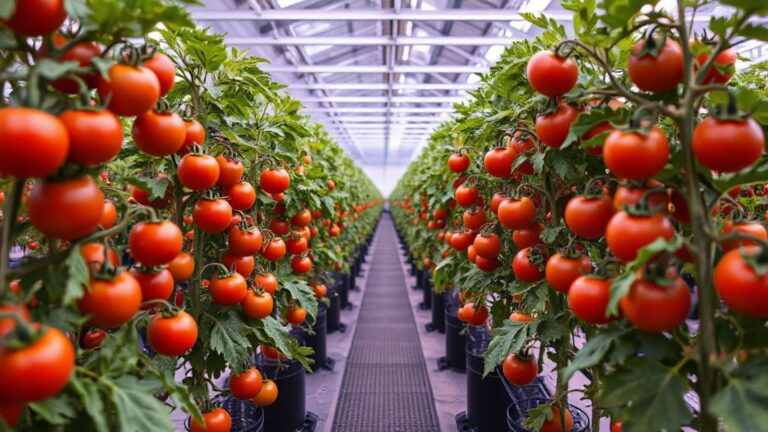
Beyond soil management, considerable agritech startups funding is being channeled into green technology solutions aimed at mitigating agriculture’s environmental footprint. This includes the development of renewable energy systems for farm operations, advanced biopesticides, and novel approaches to carbon sequestration. For example, solar-powered vertical farms, while energy-intensive, are demonstrating remarkable water savings, often reducing water consumption by over 90% compared to traditional field cultivation, as documented in studies on controlled environment agriculture.
Beyond that, research into regenerative agriculture practices, often supported by venture capital, highlights their potential for carbon sequestration. A meta-analysis of studies on no-till farming and cover cropping, published in ‘Global Change Biology’, indicates an average soil carbon sequestration rate of 0.5 to 1.5 tonnes of CO2 per hectare per year.
Startups are developing biochar production units that convert agricultural waste into a stable soil amendment. Beyond that, this enhances soil fertility and sequestering carbon for centuries. These scientific advancements are crucial for aligning agricultural practices with global climate targets.
Climate Adaptation and Resilience Technologies
Climate change necessitates agricultural adaptation, and this area is attracting significant agritech startups funding. Innovations focus on developing climate-resilient crop varieties through advanced breeding techniques and genetic engineering, alongside early warning systems for extreme weather events. Drought-tolerant and heat-resistant crop models, informed by plant physiology research and genomic data, are vital for regions facing increased aridity and temperature fluctuations.
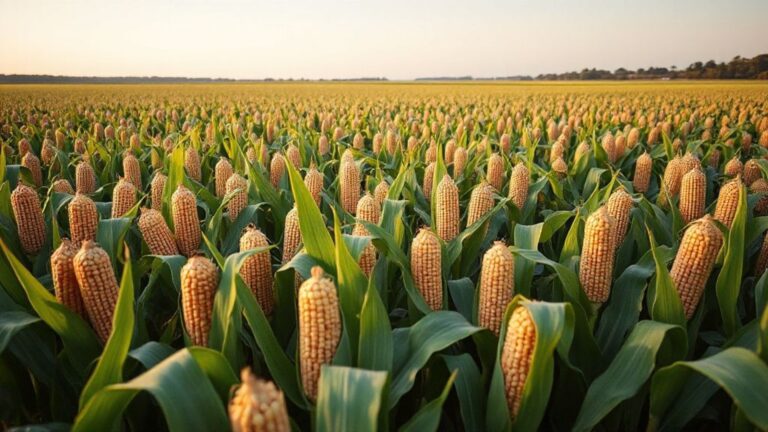
For instance, research from institutions like the International Maize and Wheat Improvement Center (CIMMYT) has successfully developed drought-tolerant maize varieties that maintain yields under water-scarce conditions, a critical advancement for food security in vulnerable regions. Predictive analytics, leveraging meteorological data and historical crop performance, are empowering farmers with timely information to adjust planting schedules, irrigation strategies, and pest management protocols.
These science-driven adaptation strategies are essential for maintaining agricultural productivity in a rapidly changing climate.
Key Innovations Driven by Agritech Startups Funding
The influx of capital into the agritech sector is directly fueling the development and deployment of transformative technologies. These innovations are not merely incremental improvements; they represent a paradigm shift towards more sustainable, efficient, and resilient food production systems. The scientific rigor behind these ventures is a primary driver of their success and investor appeal.
- ✓ Data-Driven Decision Making: Startups are providing farmers with unprecedented access to real-time data through IoT sensors, drones, and AI analytics, enabling precise management of crops, soil, and resources. This aligns with established agronomic principles of optimizing inputs for maximum output with minimal waste.
- ✓ Enhanced Resource Efficiency: Technologies focusing on water conservation (e.g., smart irrigation), nutrient management (e.g., slow-release fertilizers, precision application), and energy use (e.g., solar integration) are demonstrating significant reductions in environmental impact, supported by extensive life cycle assessment studies.
- ✓ Climate Change Mitigation and Adaptation: Investments are supporting the development of climate-resilient crop traits and practices that enhance carbon sequestration, directly contributing to global climate goals, as validated by climate science research.
Conclusion: Scientific Consensus and the Future of Funding
The scientific consensus is clear: achieving global food security while mitigating environmental degradation requires sustained innovation in agriculture. The current trajectory of agritech startups funding reflects this imperative, with substantial capital flowing into ventures grounded in sound scientific principles. From optimizing soil health through precision management to integrating green technologies and developing climate-resilient crops, these startups are at the forefront of agricultural advancement.
Future research should continue to validate the long-term efficacy and scalability of these technologies, focusing on diverse agroecological contexts and socioeconomic impacts. Continued investment, guided by scientific evidence and a commitment to sustainability, will be crucial in transforming agriculture into a truly sustainable and resilient sector for generations to come.
The data consistently shows that science-led agritech is not just a trend, but a necessity.
agritech startups funding
Key Finding: Strategic agritech startups funding is driving innovations in soil science, precision agriculture, and green technology, leading to verifiable improvements in crop yield and resource efficiency.
Practical Implication: These science-backed advancements, supported by empirical data and climate models, offer scalable solutions for enhancing global food security and reducing agriculture's environmental footprint, as evidenced by reduced fertilizer use (20-30%) and improved water efficiency (20-30%).
👉 Experience the visual edition: Watch the Web Story ⚡. Access verified research updates directly on zeudytech.com. Cross-reference technical records via FAOSTAT Global Agricultural Data.