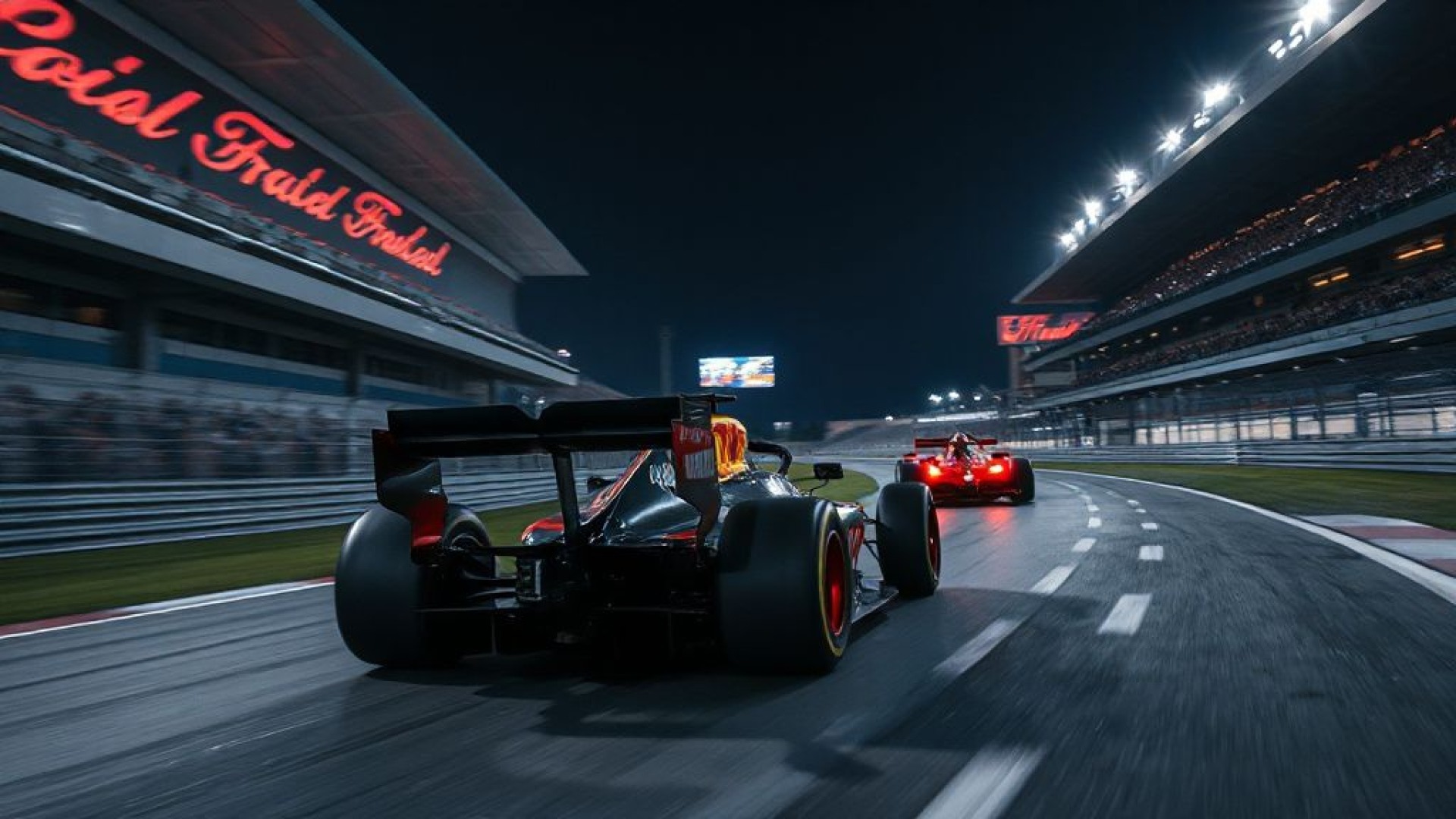
DRS: The Overtake Enabler or Overtaken Tactic in Modern F1?
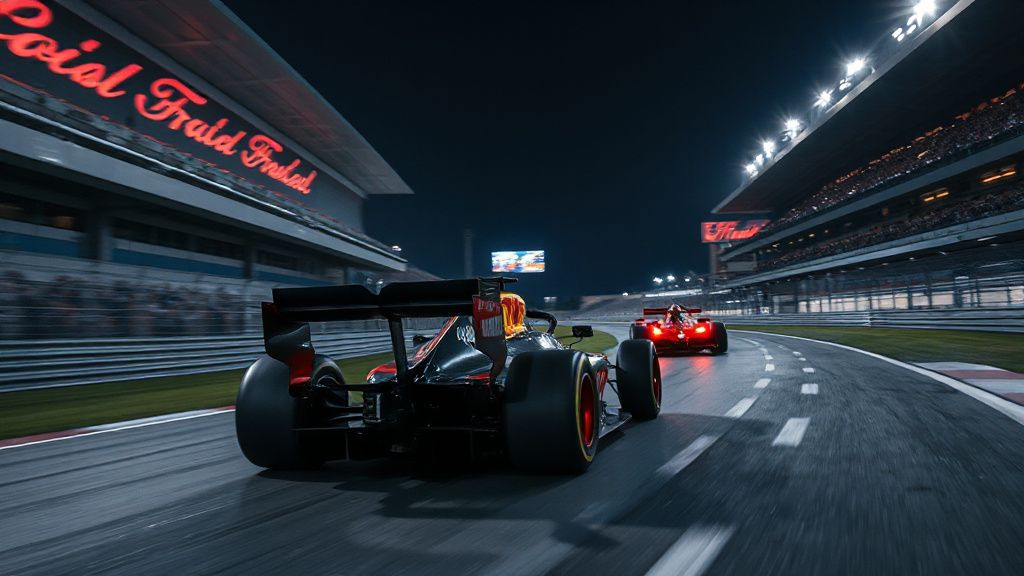
The Drag Reduction System's Evolving Role
Formula 1: Analysis of DRS Effectiveness in Overtake Zones reveals a system designed to facilitate passing. The Drag Reduction System (DRS) remains a cornerstone of modern Formula 1 racing. Its primary intent is clear: to boost overtaking opportunities and improve the spectacle. However, its actual impact and effectiveness are subjects of constant debate among drivers, engineers, and fans alike.
We examine how DRS currently functions within designated zones and its consequences for on-track battles. Specifically, its deployment strategy dictates much of the mid-race narrative. Consequently, understanding its nuances is crucial for appreciating the sport’s tactical depth. At its core, DRS provides a temporary speed advantage.
Yet, its effectiveness is increasingly challenged by other factors.
DRS Effectiveness in Overtake Zones: Data Insights
Analyzing the data surrounding DRS activations provides critical context. The system activates in specific zones, usually on straights, empowering a driver within a second of the car ahead. This aerodynamic advantage allows for a significant speed differential. Yet, simply activating DRS does not guarantee a successful pass.
Track layout, car performance differentials, and driver skill all play pivotal roles. In practice, some circuits offer more fertile ground for DRS-assisted overtakes than others. Conversely, on tighter, twistier tracks, the advantage diminishes considerably. To illustrate this, consider the difference between Monza’s long straights and Monaco’s confined confines.
Thus, the effectiveness is highly circuit-dependent.
From a tactical perspective, the timing of DRS deployment is paramount. Drivers must balance the immediate gain with the potential loss of effectiveness on subsequent straights. More importantly, the defending driver’s strategy also influences the outcome. Effective defensive driving can negate the DRS advantage. This often involves positioning the car to block the DRS line or using slipstream dynamics to their fullest.
Because of this shift in defensive tactics, overtakes require more than just raw speed.
The Strategic Chess Match: DRS and Defense
The interplay between DRS and defensive maneuvers forms a fascinating strategic battle. Drivers are acutely aware of DRS zones. They position their cars accordingly, both offensively and defensively. A well-timed move into a DRS detection point can set up an overtake. Conversely, a skilled defender can force the attacking car into a less advantageous position.
This dynamic creates thrilling moments of cat-and-mouse racing. At the same time, the effectiveness of DRS is also influenced by the ‘dirty air’ effect. Cars following closely often struggle with aerodynamic turbulence. This can reduce the benefit of DRS, even when activated. Consequently, the driver initiating the overtake needs not only speed but also careful positioning.
Beyond that, the psychological element is undeniable. The threat of DRS can force errors from the leading car.
DRS Efficacy: A Shifting Landscape
The evolution of F1 cars and regulations continually impacts DRS effectiveness. As cars become more aerodynamically efficient, the wake turbulence they generate also changes. This can either enhance or diminish the DRS advantage. Notably, recent rule changes aimed at improving close racing have had a subtle influence.
The goal was to allow cars to follow more closely, thereby making DRS more consistently usable. Still, the ultimate effectiveness hinges on the confluence of multiple factors. Ultimately, DRS remains a vital tool, but it is not a silver bullet for overtaking. Its success is a compelling proof to the complex interplay of technology, strategy, and driver skill on the Formula 1 circuit.
The future may hold further refinements to this iconic system.
Formula 1: Analysis of DRS Effectiveness in Overtake Zones
Tactical Debrief: DRS remains a critical, yet complex, element in F1 overtaking. Its effectiveness is highly variable, influenced by track layout, car performance, driver skill, and defensive strategies. While designed to boost passing, its success is not guaranteed and often depends on precise execution and strategic timing.
- ⚽ Overtake Success Rate (DRS vs. Non-DRS)
- ⚽ DRS Activation Frequency per Race
- ⚽ Lap Time Delta in DRS Zones (Attacker vs. Defender)
- ⚽ Track-Specific DRS Effectiveness Index
📋 Managerial Assessment: DRS provides a necessary, albeit imperfect, mechanism for facilitating overtakes. Teams must master its strategic deployment, while drivers need exceptional skill to capitalize on its advantage and defend against it. Continuous analysis is required as car designs and regulations evolve.
👉 Experience the visual edition: Watch the Web Story ⚡. Access verified research updates directly on zeudytech.com. Cross-reference technical records via Official Formula 1 Technical Insights.