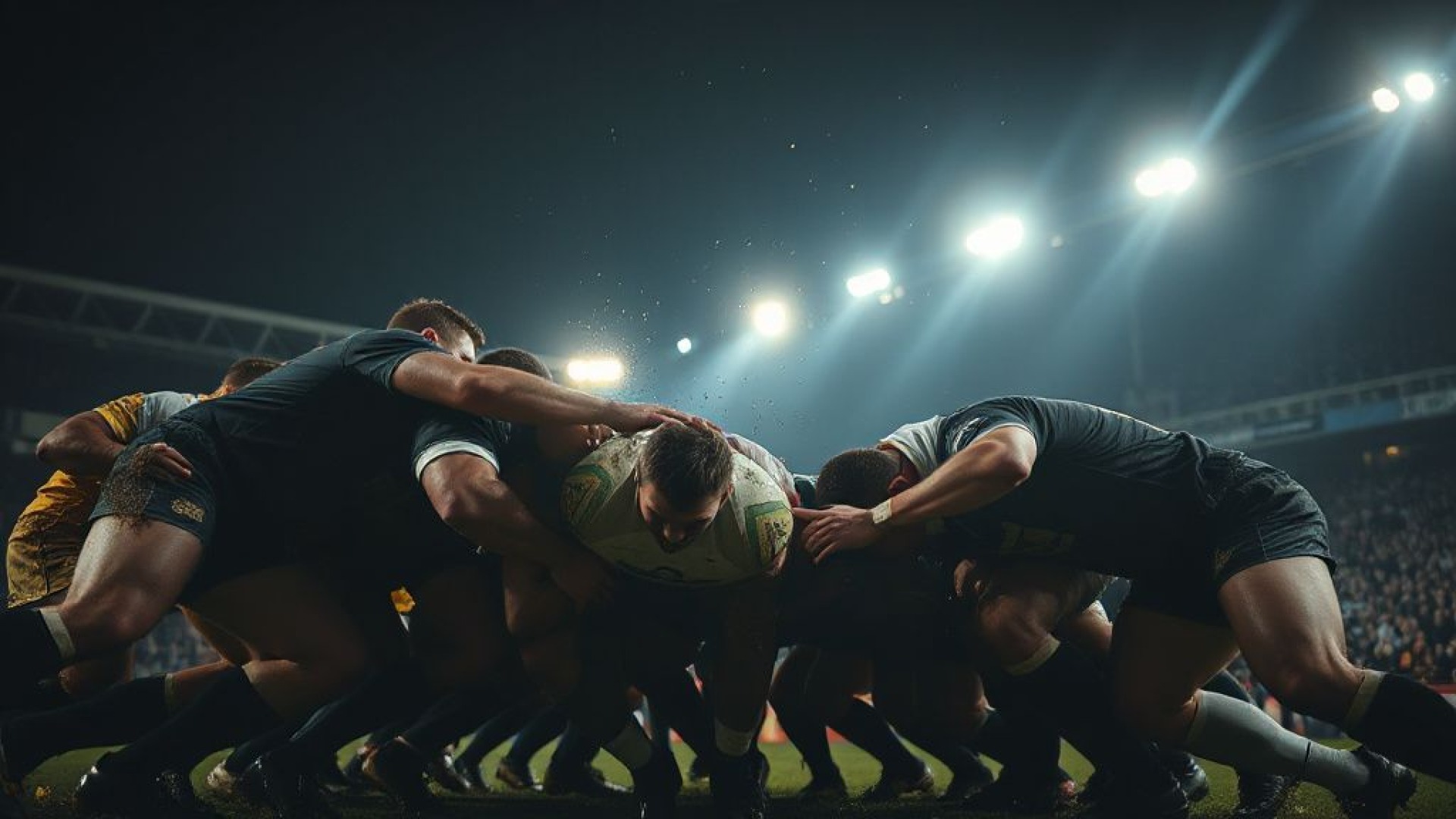
Rugby Matches: Tactical Masters Unpick the Set-Piece Secrets
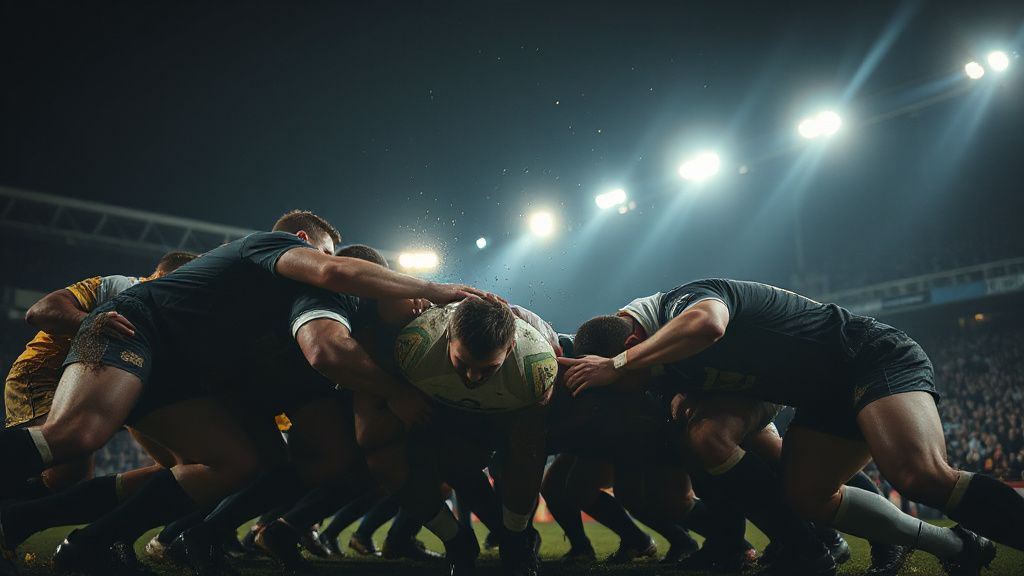
The Scrutiny of Rugby Matches: More Than Just Power
Rugby matches often appear as a brute force contest. Yet, beneath the surface, intricate tactical battles unfold. These contests dictate territorial advantage. They also define the flow of possession. Elite teams meticulously plan for these moments. They understand that superior strategy wins championships. This analysis examines the often-overlooked tactical nuances. We focus on the critical elements that shape outcomes.
Set-Piece Supremacy: The Foundation of Territorial Control
The scrum and lineout are not mere restarts. They are potent attacking platforms. Teams invest heavily in their set-piece execution. Mastering these phases secures vital field position. Consequently, this puts immense pressure on the opposition. A dominant scrum can generate penalties. It can also lead to quick ball for the backs.
Similarly, a well-drilled lineout can launch devastating strike plays. These require precision and communication. At its core, set-piece success hinges on collective effort. Every player has a defined role. Their adherence to this role is paramount. Because of this focus, the attacking team gains control.
The defensive team scrambles to react.
Defensive Shape: Absorbing Pressure and Forcing Errors
Conversely, defensive organization is equally critical. Teams deploy specific shapes. These shapes aim to stifle opposition attacks. They force turnovers or penalties. A well-structured defense limits space. It denies the attacking team easy metres. Press triggers are vital here. They dictate when and how defenders advance.
Identifying these triggers is key. Because of this, the defensive line can compress. It can also shift effectively. This tactical discipline prevents defensive drift. It keeps the team compact. Thus, errors become more likely for the attacking side.
Transition Play: The Art of Counter-Attack and Turnover Ball
The moments immediately following a turnover are explosive. Transition play defines the game’s momentum. Teams practice counter-attacking patterns extensively. They aim to exploit disorganized defenses. Quick ball movement is essential. Players must make smart decisions under pressure. At the same time, securing possession is vital.
A loose pass can undo all the hard work. Because of this, players train for rapid reactions. They anticipate the next phase. This ability to switch seamlessly from defense to attack, or vice versa, is a hallmark of top teams.
Key Tactical Personnel: The Playmakers and Enforcers
Specific players often embody tactical directives. The fly-half orchestrates the attack. He reads the defensive line. He makes crucial tactical kicking decisions. Scrum-halves provide quick service. They also offer tactical support. Forwards are the bedrock. They win the physical battles. They also secure possession at the breakdown. Because of their influence, these individuals shape the game. Their tactical understanding elevates the entire team. Their performance directly impacts the outcome of rugby matches.
Rugby Matches
Tactical Debrief: Analysis highlights the critical role of set-piece efficiency and defensive structure in determining the outcome of professional rugby matches. Transition play and key personnel decisions further shape tactical superiority.
- ⚽ Set-Piece Win Percentage
- ⚽ Territorial Gain from Kicks
- ⚽ Defensive Line Speed
- ⚽ Turnover Conversion Rate
📋 Managerial Assessment: Success in rugby matches hinges on meticulous preparation and execution of set-piece strategies, coupled with disciplined defensive organization and rapid transition play.
👉 Experience the visual edition: Watch the Web Story ⚡. Access verified research updates directly on zeudytech.com. Cross-reference technical records via Global Sports Analytics & Tactical Telemetry Authority.