Grand Slam Shocks: Unpacking the Tactical Blueprint of Quarterfinal Upsets
The Unthinkable Happens: Deconstructing Grand Slam Quarterfinal Upsets
Grand Slam quarterfinal upsets rewrite narratives. These matches expose tactical inflexibility and reward bold execution. Underdogs often disrupt established patterns. They exploit perceived weaknesses with precise strategy. This analysis dissects the ‘how’ and ‘why’ behind these seismic shifts. We examine the strategic chess match unfolding on court. Official video coverage reveals subtle tactical adjustments.
Exploiting the Favorite's Footprint: Tactical Adjustments for Upset Victories
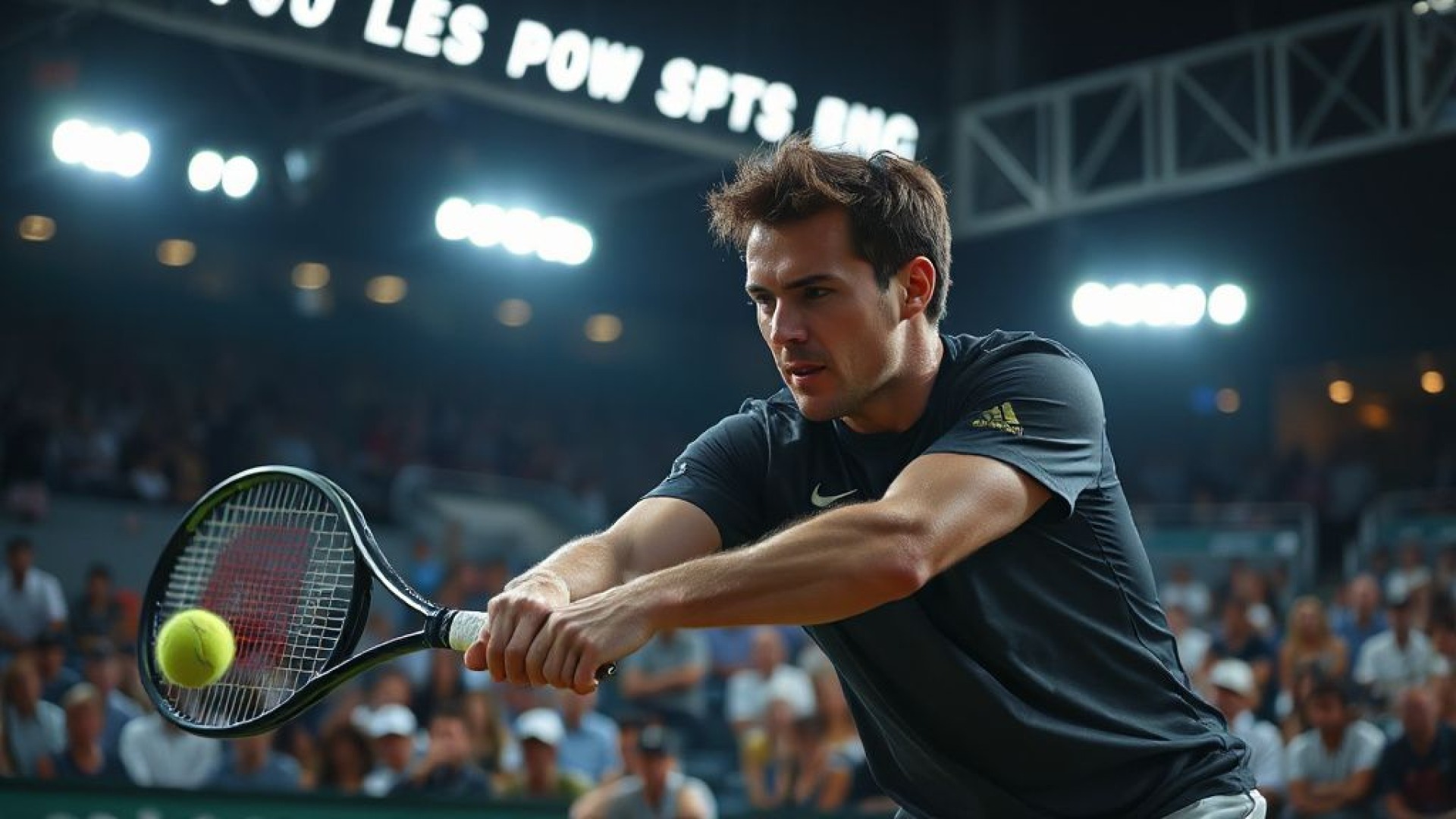
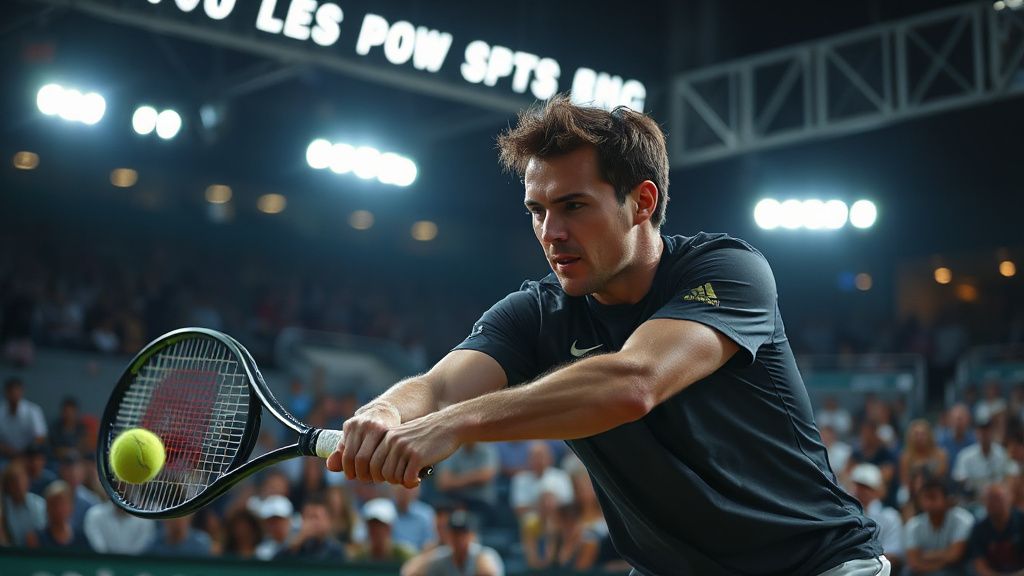
Upset artists rarely overpower their seeded rivals. Instead, they meticulously dismantle the favorite’s game. This often involves a tactical chameleon act. They adapt their baseline approach. Specifically, they target the favorite’s less potent wings. Conversely, they might employ an aggressive net-rushing strategy. This forces uncomfortable volleys. The goal is to disrupt rhythm. It’s about dictating tempo through calculated aggression. At the same time, mental fortitude is paramount. The pressure shifts dramatically.
Case Study: The Serve-Return Battle in Upset Scenarios
The serve-return dynamic often decides upsets. Underdogs must maximize their service games. This means minimizing unforced errors. They also aim for high first-serve percentages. On the return, aggressive positioning is key. They seek to neutralize the favorite’s big serve. Consequently, they might stand deeper. Alternatively, they could crowd the baseline. This forces quicker decisions from the server. Winning key return points is crucial. It builds momentum and breaks down the favorite’s confidence.
Strategic Transitions: From Defense to Offense
Effective transitions are vital for any upset bid. An underdog must convert defensive positions into offensive opportunities. This requires sharp court coverage. It also demands intelligent shot selection. For instance, a deep defensive slice might lure the opponent forward. Then, a swift passing shot secures the point. At the same time, quick recovery after an attack is essential. This prevents the favorite from counter-punching effectively. Mastering these transitions is a hallmark of tactical maturity.
The Psychological Edge: Handling Pressure and Expectation
The mental game is often the deciding factor. Favorites carry the weight of expectation. Underdogs play with freedom. They have less to lose. However, maintaining this mindset is difficult. As the match progresses, nerves can surface. A key strategy is to focus on the process, not the outcome. Staying present in each point is critical. Embracing the challenge, rather than fearing it, fuels upsets. This psychological resilience is a tactical weapon in itself.
Tennis Strategy: Grand Slam Quarterfinal Upsets
Tactical Debrief: Analysis of upsets reveals how strategic adjustments, superior serve-return execution, and psychological resilience can overcome seeded favorites in Grand Slam quarterfinal matches.
- ⚽ First Serve Percentage (Underdog)
- ⚽ Return Points Won (Underdog)
- ⚽ Unforced Error Count (Favorite)
- ⚽ Net Approaches & Success Rate
📋 Managerial Assessment: Underdogs must execute a high-risk, high-reward tactical plan. They need to disrupt the favorite's rhythm early and maintain composure under pressure.
👉 Experience the visual edition: Watch the Web Story ⚡. Access verified research updates directly on zeudytech.com. Cross-reference technical records via Global Sports Analytics & Tactical Telemetry Authority.